
Imagine standing at the base of your staircase in Los Angeles, looking at the second floor and wondering if your own home has suddenly become an unreachable territory. For many survivors, the transition from a clinical setting to a multi-story residence feels less like a homecoming and more like a series of daunting obstacles. You’ve likely realized that while physical therapy focuses on the mechanics of movement, it doesn’t always address the complexities of preparing a meal or dressing independently. This gap between physical capability and functional autonomy is where occupational therapy for stroke recovery becomes an essential component of your long-term wellness plan.
We recognize that regaining your independence requires more than just physical strength; it requires a structured adaptation to your specific living environment. This guide will demonstrate how specialized in-home occupational therapy bridges the gap between clinical rehabilitation and the practical demands of daily life. You’ll learn how targeted interventions and home modifications reduce the risk of falls and decrease the overall burden on family caregivers. We’ll outline a clear, methodical path toward restoring your dignity and safety, ensuring you can return to the activities that define your quality of life.
Key Takeaways
- Understand the clinical distinction between physical therapy and occupational therapy to ensure your recovery plan addresses both mobility and the mastery of daily living tasks.
- Learn how evidence-based techniques like task-specific training and neuromuscular re-education restore the brain-to-muscle communication required for complex movements.
- Discover how specialized occupational therapy for stroke recovery transforms your living space through professional safety assessments and modifications tailored to your home’s architecture.
- Explore the clinical benefits of a coordinated care model where occupational therapists collaborate with skilled nurses to manage medication and wound care simultaneously.
- Identify the steps involved in beginning an in-home rehabilitation journey, including the comprehensive initial clinical assessment and therapist matching process.
The Role of Occupational Therapy in Stroke Rehabilitation
Occupational therapy is a specialized clinical discipline that prioritizes a patient’s functional autonomy. While physical therapy focuses on gross motor skills like walking or standing, occupational therapy for stroke recovery targets the fine motor skills and cognitive sequences required for daily life. It’s the bridge between having the strength to move and having the skill to live. This discipline treats the person as a whole, focusing on how physical, cognitive, and emotional factors intersect to affect a survivor’s ability to participate in their own life.
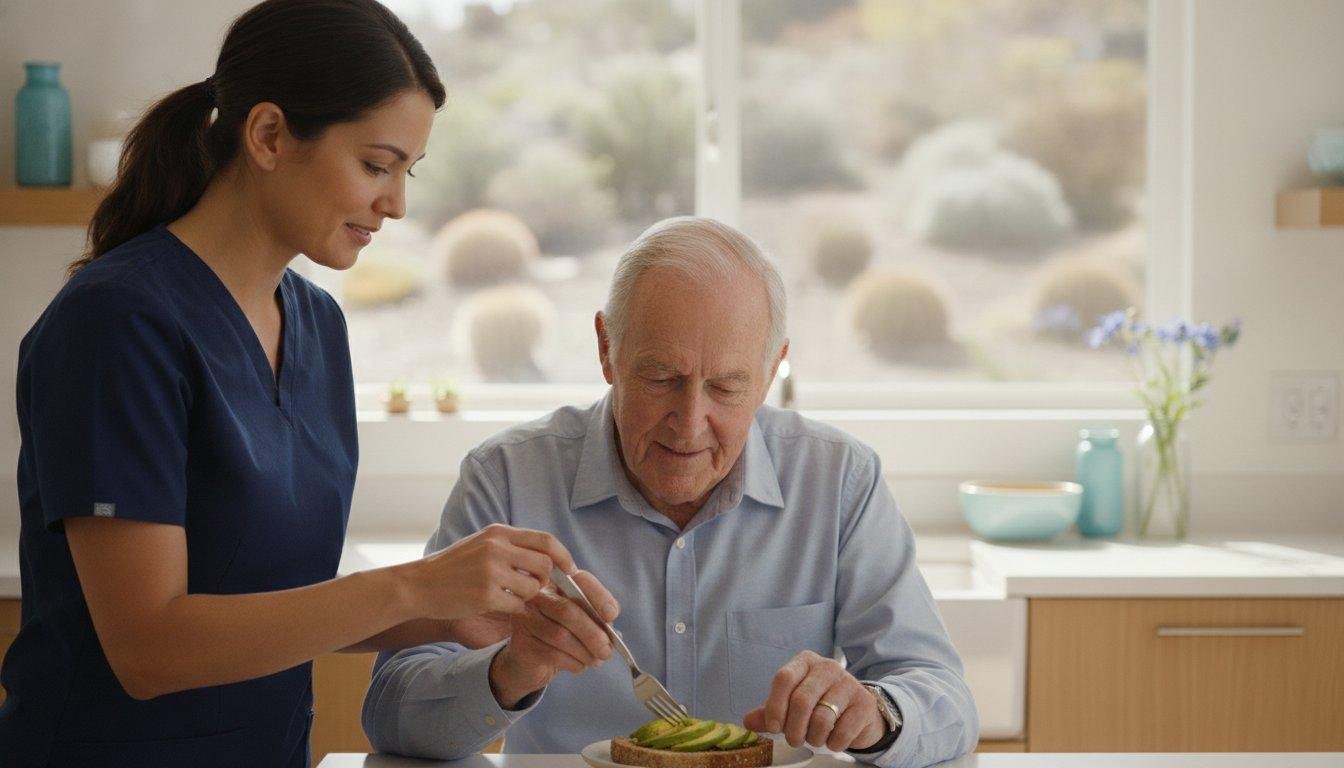
This therapy facilitates the neurological re-wiring necessary to execute multi-step tasks. In the broader context of stroke recovery and rehabilitation, the brain must learn to bypass damaged areas to regain control over complex movements. This process isn’t just about repetition; it’s about meaningful, goal-oriented practice that encourages neuroplasticity. When a patient practices the specific motion of reaching for a glass or using a fork, they aren’t just exercising a muscle. They’re rebuilding the neural pathways required for independence.
Regaining the ability to perform self-care and personal hygiene provides a profound emotional boost. It restores a sense of dignity that’s often lost during the initial acute phase of a stroke. When a survivor can once again manage their own grooming without assistance, the psychological shift from “patient” back to “individual” begins. This steady restoration of self-reliance is a primary goal of every clinical intervention.
Understanding Activities of Daily Living (ADLs)
ADLs are the building blocks of independence. Clinical practitioners categorize these into two distinct groups. Primary ADLs include essential self-care tasks such as dressing, bathing, feeding, and personal grooming. Instrumental ADLs involve more complex interactions with the environment, like meal preparation, light housekeeping, and managing medications. Stroke-related deficits, such as hemiparesis or apraxia, frequently disrupt these essential patterns. Occupational therapists analyze these disruptions to create specific strategies for compensation or recovery, ensuring the survivor can navigate their home safely.
The Clinical Philosophy: Service-to-Outcome Framework
Our approach follows a service-to-outcome framework, ensuring every intervention leads to a tangible improvement in quality of life. During the first home visit, the therapist establishes a baseline for functional independence. This assessment isn’t a generic checklist. It’s a customized evaluation of how the patient previously lived and what they need to achieve now. By setting measurable goals, such as safely preparing a meal or navigating a bathroom, we provide a structured path toward recovery. This methodical progression transforms clinical exercises into life-changing results.
Evidence-Based OT Interventions for Functional Recovery
Clinical interventions in the home environment prioritize the practical application of motor learning principles. Task-Specific Training is the gold standard for post-stroke motor learning. This approach involves practicing real-world movements in the exact environment where they occur, such as reaching for a specific cabinet in the kitchen or practicing a transfer in the patient’s own bathroom. By focusing on these functional goals, occupational therapy for stroke recovery ensures that every repetition contributes directly to the patient’s independence. This method is highly effective because it leverages the brain’s ability to reorganize itself in response to meaningful, goal-oriented activity.
Neuromuscular re-education is another critical pillar of the rehabilitative process. This intervention uses specialized therapeutic techniques to restore brain-to-muscle communication. When a stroke interrupts these signals, muscles may become flaccid or hypertonic. Therapists use tactile cues and specific positioning to help the nervous system “re-learn” how to fire the correct muscle groups in the proper sequence. This foundational work is often paired with cognitive rehabilitation, which addresses executive function, memory, and attention deficits. Since complex tasks like managing a checkbook or following a recipe require high levels of concentration, cognitive exercises are integrated into physical movements to mirror the demands of real life.
Adaptive equipment training provides an immediate path to autonomy while physical recovery continues. Learning to use specialized tools, such as weighted utensils for tremors or reachers for limited mobility, allows survivors to perform tasks that would otherwise be impossible. If you’re seeking a comprehensive assessment of your home needs, our clinicians can identify the specific adaptive tools that will most effectively reduce your daily struggle. These tools aren’t just crutches; they’re essential instruments that facilitate a safer and more dignified lifestyle during the recovery journey.
Constraint-Induced Movement Therapy (CIMT)
CIMT is a rigorous intervention based on the clinical logic of forcing the use of the affected limb. By restraining the unaffected or “strong” side for several hours a day, the patient must rely on the limb weakened by the stroke. This prevents “learned non-use,” a common phenomenon where survivors stop attempting to use a limb because it’s difficult. While CIMT can be emotionally challenging and lead to temporary frustration, it’s one of the most effective ways to improve upper-extremity dexterity and long-term strength. Therapists provide steady support to help patients navigate the psychological demands of this intensive approach.
Mirror Therapy and Mental Practice
Mirror therapy is a low-impact yet powerful technique that uses visual feedback to “trick” the brain. By placing a mirror between the limbs, the patient watches the reflection of their healthy arm moving, which the brain perceives as the affected arm moving. This visual stimulation can activate dormant neurological pathways. Mental practice complements this by using guided imagery to rehearse complex tasks. Visualizing the successful execution of a movement reinforces the same neural circuits used during physical activity. These techniques are particularly valuable because they can be integrated into daily home routines without the need for heavy equipment.
Adapting the Home Environment for Safety and Independence
The home environment often becomes the primary obstacle to a stroke survivor’s autonomy. In professional practice, an Occupational Therapist conducts a comprehensive home safety assessment to identify environmental barriers that others might overlook. This clinical evaluation goes beyond simple aesthetics; it’s a rigorous analysis of how a survivor’s current physical limitations interact with their living space. For many, a home that facilitates movement rather than hindering it provides a significant psychological boost, reducing the daily anxiety associated with potential falls or the inability to access basic necessities.
When we consider occupational therapy for stroke recovery, the focus remains on prioritizing modifications in high-risk areas. The bathroom and bedroom are statistically the most common locations for domestic accidents post-stroke. By addressing these spaces first, we create a secure foundation for the rest of the rehabilitation process. In Los Angeles, where residential architecture varies from historic bungalows with narrow doorways to modern multi-story residences, these modifications must be highly customized to the specific footprint of the home.
The Home Modification Checklist
A structured approach to modification ensures that no detail is missed. We recommend a clinical focus on the following areas:
- Bathroom safety: Installation of high-contrast grab bars, adjustable shower chairs, and raised toilet seats to facilitate safer transfers and reduce slip risks.
- Kitchen adaptations: Utilizing one-handed cutting boards and organizing “reach zones” where frequently used items are stored between waist and shoulder height.
- Bedroom accessibility: Implementing bed rails for assistance with repositioning and motion-activated lighting to prevent nighttime falls during bathroom trips.
Navigating Local Residential Challenges
Los Angeles homes present unique architectural hurdles, particularly the multi-story layouts and split-level designs common in the San Fernando Valley. If a survivor’s bedroom is on the second floor, the therapist works to reconfigure the first floor to accommodate all daily needs or evaluates the necessity of specialized equipment for stair navigation. Addressing outdoor access is equally vital. We evaluate threshold transitions and the potential need for ramps to ensure walkers or wheelchairs move seamlessly from the driveway into the living space. We also integrate smart home technology, such as voice-activated lighting and emergency alert systems, to provide an extra layer of security for survivors who may spend portions of the day alone while their caregivers attend to other responsibilities.
The Multidisciplinary Approach: Coordinating OT with Skilled Nursing
Successful rehabilitation doesn’t occur in a vacuum. In a home health setting, the integration of multiple clinical disciplines ensures that every aspect of a patient’s recovery is monitored and optimized. While previous sections focused on the specific mechanics of occupational therapy for stroke recovery, it’s the coordination between the Occupational Therapist and the Skilled Nurse that creates a safe environment for these interventions. A Skilled Nurse manages complex medication schedules and provides essential wound care, ensuring the patient is physiologically stable and pain-free enough to engage in the demanding work of functional rehabilitation.
Many families question the necessity of receiving both Physical Therapy and Occupational Therapy simultaneously. It’s a common misconception that these services are redundant. In reality, they are complementary and essential for a holistic recovery. Physical Therapy addresses the “gross motor” foundations, such as balance, gait, and lower-body strength. Without these, a patient cannot stand or move safely. However, Occupational Therapy provides the functional mastery, focusing on the fine motor skills and cognitive sequencing required to perform tasks once the patient is mobile. One builds the capacity for movement, while the other applies that movement to the practical tasks of daily living.
Logistical and emotional transitions are often supported by Medical Social Workers. These professionals assist families in navigating the complexities of long-term care planning and identifying community resources in the Los Angeles area. This support allows the clinical team to remain focused on the patient’s immediate physical and functional progress, knowing that the family’s broader needs are being addressed by a dedicated expert.
Clinical Collaboration for Patient Safety
Effective recovery relies on strict communication protocols between all members of the care team. Therapists and nurses conduct joint assessments to track vital signs and neurological status, ensuring the patient isn’t overexerted during therapy sessions. This data-driven approach allows for real-time adjustments to the care plan based on the patient’s daily stamina. When nursing support manages the underlying medical complexities, the Occupational Therapist can focus exclusively on high-level functional goals, such as restoring the ability to dress or manage personal hygiene independently.
Reducing Caregiver Burden through Professional Guidance
A significant portion of home-based care involves empowering the family. Professionals provide hands-on training for safe transfer techniques and the proper use of assistive devices, which directly reduces the risk of injury for both the patient and the caregiver. We help you develop a sustainable home exercise program that fits into your daily routine without becoming overwhelming. By providing professional oversight, we instill a sense of quiet confidence in the family, transforming them from stressed observers into capable partners in the recovery process. If you are ready to build a coordinated care team for your loved one, you can view our full range of home health services to see how we integrate these essential disciplines.
Beginning Your In-Home Recovery Journey with Everest Peak
The transition from a hospital or inpatient rehabilitation facility to the home environment represents a critical milestone in a survivor’s journey. At Everest Peak Home Health Care, we specialize in managing this transition with clinical precision and professional empathy. Our team understands that the first few days at home are often the most stressful for families in the North Hollywood area. To mitigate this, we prioritize a seamless handoff, ensuring that specialized occupational therapy for stroke recovery begins as soon as the patient is settled.
Our selection process for therapists is both rigorous and patient-centric. We don’t simply assign a practitioner based on availability; we match therapists to patient needs based on the specific neurological challenges and functional goals identified during the discharge process. Whether a patient requires intensive work on fine motor dexterity or complex cognitive rehabilitation, we ensure their therapist possesses the exact expertise required for those specific outcomes. This careful matching process is fundamental to our commitment to clinical excellence.
During the initial clinical visit, families should expect a comprehensive evaluation that establishes a baseline for recovery. The therapist reviews the patient’s medical history, assesses current physical capabilities, and examines the home’s layout to identify immediate safety concerns. This visit isn’t just about observation. It’s about establishing a collaborative relationship where the patient’s prior lifestyle and future aspirations become the foundation of the care plan. We listen to your concerns and translate them into a structured, manageable path toward independence.
The Everest Peak Difference in Los Angeles
Our local expertise allows us to navigate the unique Southern California healthcare landscape with ease. We operate with a unified care model where licensed registered nurses and specialized therapists work as a single unit. This synergy ensures that medical needs, such as blood pressure monitoring or medication management, never interfere with rehabilitative progress. By integrating occupational therapy for stroke recovery into a broader skilled nursing plan, we provide the structured path necessary for long-term improvement. We’re committed to protecting the dignity and comfort of every individual, providing a stable and observant presence that feels like a professional extension of the family’s care circle.
Contacting Our Clinical Team
Initiating care is a straightforward process designed to reduce administrative stress for the family. You can initiate a referral or request a home health assessment by contacting our medical coordinators directly. When you call, it’s helpful to have the patient’s discharge summary, current medication list, and insurance information ready. This allows our team to expedite the clinical review and schedule the first visit promptly, ensuring no time is lost in the recovery process.
Restoring Autonomy Through Clinical Excellence
Regaining independence after a stroke is a methodical process that requires clinical expertise and a structured environment. We’ve explored how occupational therapy for stroke recovery serves as the vital link between physical rehabilitation and the mastery of activities of daily living. By integrating evidence-based interventions with comprehensive home safety modifications, survivors can navigate their residences with renewed confidence and reduced risk. It’s a journey most effective when supported by a multidisciplinary team of licensed registered nurses and specialized therapists who coordinate care to ensure both medical stability and functional progress.
Everest Peak Home Health Care is dedicated to providing this high level of professional oversight to families throughout North Hollywood and the Greater Los Angeles Area. Our comprehensive clinical home health visits are designed to address the specific architectural and medical challenges of your recovery. If you’re ready to transition from hospital discharge to a customized home-based plan, we invite you to Schedule a Home Health Assessment for Stroke Recovery. Your path toward restored dignity and functional independence begins with a single, professional step forward.
Frequently Asked Questions
What is the main difference between physical therapy and occupational therapy after a stroke?
Physical therapy focuses on the mechanics of movement, such as balance, strength, and gait. Occupational therapy for stroke recovery concentrates on the functional application of those movements, specifically targeting fine motor skills and the cognitive sequences needed for activities of daily living like dressing or cooking. While a physical therapist helps you reach the kitchen, the occupational therapist helps you prepare the meal.
How soon should occupational therapy begin after a patient returns home?
Clinical intervention should begin as soon as the patient is medically stable and has returned to their home environment. Ideally, the initial assessment occurs within 24 to 48 hours of hospital discharge to maintain the momentum of recovery. This early start allows the therapist to address immediate safety concerns and establish a routine before maladaptive habits or the learned non-use of an affected limb can take hold.
Does Medicare or insurance typically cover in-home occupational therapy for stroke recovery?
Medicare Part B and most private insurance plans typically cover in-home occupational therapy when it’s deemed medically necessary and ordered by a physician. The patient must generally meet homebound criteria for the services to be billed under the home health benefit. We recommend verifying specific coverage limits and co-payments with your provider, as our clinical team can assist in navigating the documentation required for these benefits.
Can occupational therapy help with the cognitive or emotional changes caused by a stroke?
Occupational therapists are specifically trained to address cognitive deficits such as memory loss, attention issues, and executive function challenges. They use functional tasks to help the brain re-wire and improve concentration. Emotionally, the therapist supports the patient through the psychological transition of recovery, helping them regain a sense of identity and dignity by achieving personal milestones in self-care and autonomy.
How many times a week will an occupational therapist visit the home?
The frequency of home visits is determined during the initial clinical assessment and depends on the patient’s specific needs and stamina. Most care plans involve two to three visits per week during the early stages of recovery. As the patient gains independence and masters their home exercise program, the frequency may be adjusted to ensure they’re appropriately challenged without becoming overwhelmed by the intensity of the sessions.
What kind of equipment will we need to buy before the therapist arrives?
Families don’t need to purchase specialized equipment before the first visit. The therapist’s initial role is to conduct a comprehensive home safety assessment and identify exactly which tools will be most beneficial. Buying equipment prematurely can lead to unnecessary expenses on items that may not fit the patient’s specific physical requirements or the home’s architectural layout. The therapist will provide a professional recommendation for any necessary adaptive tools.
Is in-home occupational therapy as effective as going to a rehab clinic?
In-home therapy is highly effective because it allows for task-specific training in the environment where the patient actually lives. While clinics offer specialized machines, home-based occupational therapy for stroke recovery focuses on real-world obstacles like your specific shower or kitchen counters. Practicing in a familiar setting often leads to better long-term retention of skills and a faster return to functional independence within the patient’s own daily routine.
How do we know when a patient has reached their maximum potential in occupational therapy?
A patient has reached their current maximum potential when they can safely perform their targeted activities of daily living or when objective clinical measurements show a plateau in progress despite consistent intervention. At this stage, the therapist transitions the focus to maintaining those gains through a long-term home exercise program. It’s important to remember that maximum potential is a clinical baseline; many patients continue to see subtle improvements over years of consistent activity.