
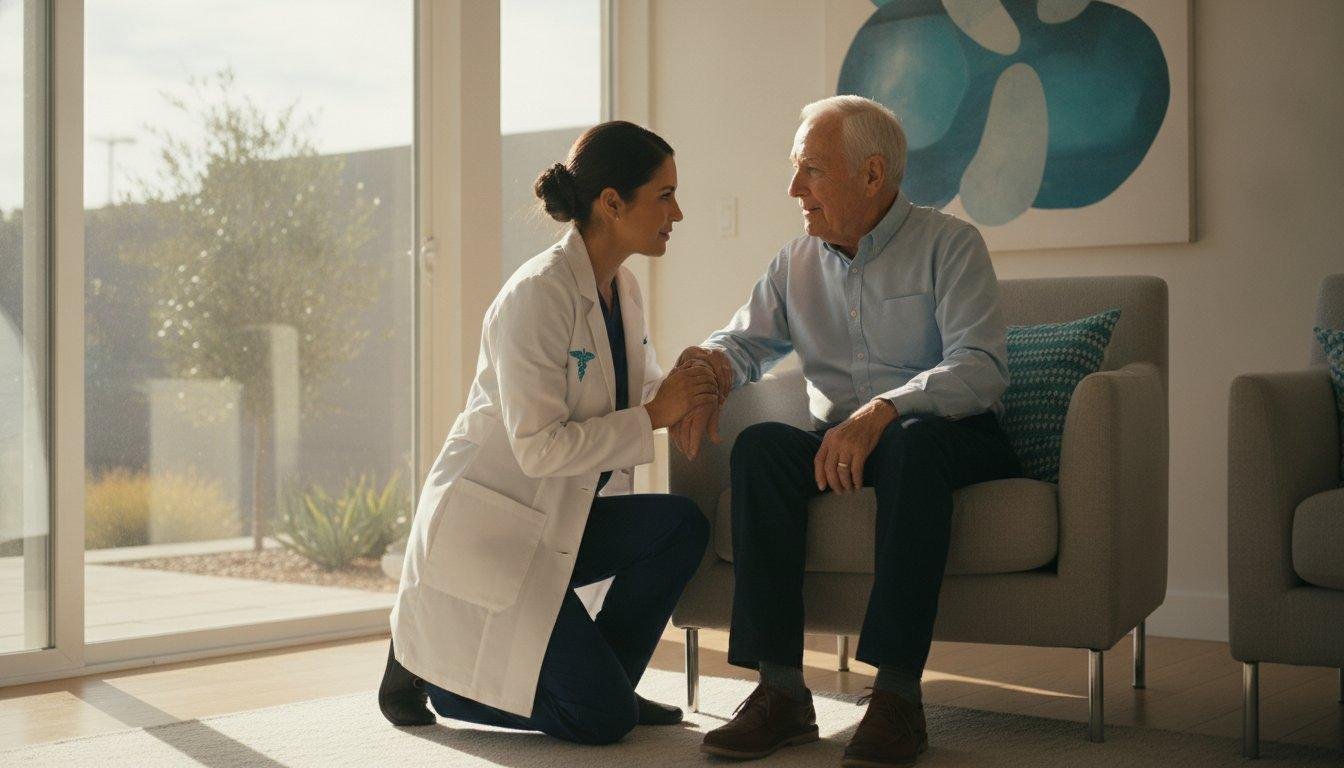
Effective home health care for elderly parents is a clinical strategy for independence, not just a supportive service. You likely believe that aging in place is the most dignified option for your loved ones, yet the constant worry over medication mismanagement or a sudden fall can be exhausting. It’s common to feel caught between the desire to respect their autonomy and the urgent need for professional medical safety. When caregiver burnout begins to impact your own well-being, it’s time to transition from being a primary provider to a supportive advocate.
This 2026 clinical guide is designed to help you identify, evaluate, and arrange professional services that bridge this gap. You’ll discover how to secure a safe home environment through skilled nursing and specialized therapies, such as physical or occupational therapy, that preserve your parent’s dignity. We will clarify the distinctions between Medicare and private pay, outline the specific roles of various clinical specialists, and provide a methodical framework for establishing a professional extension of your family’s care circle. By the end of this guide, you’ll have a clear, structured path toward clinical excellence and the long-term goal of patient autonomy.
Key Takeaways
- Learn to recognize the clinical indicators, such as complex medication needs or chronic illness management, that signal a requirement for physician-ordered medical support.
- Distinguish between the roles of Registered Nurses for medical assessment and specialized therapists who focus on restoring mobility and safety within the home.
- Understand how home health care for elderly parents utilizes physical and occupational therapy to adapt the living environment and prevent dangerous falls.
- Navigate the 2026 Medicare and insurance landscape with a structured approach to securing medical referrals and verifying coverage for skilled services.
- Discover how a multidisciplinary team of clinicians and medical social workers can reduce caregiver burnout while prioritizing the dignity and autonomy of your parents.
10 Signs Your Aging Parents Need Home Health Care
Home health care for elderly parents is formally defined as a physician-ordered clinical service provided within a residential setting. It’s distinct from general caregiving because it involves skilled medical interventions designed to treat or manage a specific health condition. For families beginning this journey, understanding the spectrum of home care is a vital first step in differentiating between social support and professional medical oversight. When a parent’s health status changes, identifying the need for clinical intervention early can prevent unnecessary hospitalizations.
Clinical indicators often start with medical complexity. A recent diagnosis of a chronic illness, such as congestive heart failure or advanced diabetes, frequently requires complex medication management that exceeds the capabilities of a layperson. If you notice your parent struggling with new prescriptions or experiencing unexplained weight loss, these are significant red flags. Difficulty swallowing, known clinically as dysphagia, is another serious symptom that signals nutritional risks and potential respiratory complications. Furthermore, frequent “near-miss” falls or observable balance issues during daily activities suggest that the current living environment is no longer safe without professional therapeutic support.
Physical and Cognitive Red Flags
When an individual struggles with Activities of Daily Living (ADLs) such as grooming, dressing, or basic hygiene, it’s often a sign that physical limitations are outpacing their current support system. Cognitive shifts are equally critical. Forgetting medication dosages or missing follow-up medical appointments can lead to a rapid health decline. We also see many cases where post-hospitalization fatigue prevents safe independent movement at home. In these instances, home health care for elderly parents provides a necessary bridge between the hospital and a full return to daily life.
Environmental Indicators in the Home
The state of the home often reflects the state of the resident’s health. Neglected household maintenance or stacks of unopened medical bills often signal that a parent is feeling overwhelmed by cognitive or physical demands. Signs of poor nutrition, such as an empty refrigerator or the presence of expired food items, suggest that the basic logistics of daily life are becoming unmanageable. In 2026, clinical professionals define aging in place as a strategic goal where medical interventions are integrated into the home to maintain patient autonomy and delay institutionalization. Observing these environmental changes early allows families to implement professional support before a crisis occurs.
Understanding the Spectrum of Home Care Services
Selecting the right level of support requires a clear distinction between clinical intervention and custodial care. While personal care assistance focuses on companionship and basic daily help, home health care for elderly parents is a medical necessity that involves skilled professionals. A Registered Nurse (RN) serves as the clinical lead, performing comprehensive medical assessments and managing complex wound care protocols. These professionals bridge the gap between hospital discharge and long-term stability by ensuring that every clinical detail is observed and addressed. If you’ve already identified the 10 signs your parents need home care, the next step is determining the specific clinical disciplines required for their recovery.
The medical team is often multidisciplinary, ensuring that no aspect of a patient’s health is overlooked. Licensed Vocational Nurses support this process by providing daily clinical monitoring under RN supervision, which allows for immediate intervention if a patient’s condition fluctuates. Every patient presents a unique clinical profile, which makes a customized care plan the foundation of successful home health. This document isn’t a generic checklist; it’s a structured path toward recovery that evolves as the patient improves. Establishing a personalized care plan through a licensed agency ensures that your loved one receives the exact clinical oversight they need for safe recovery.
Skilled Nursing and Clinical Monitoring
This discipline focuses on recovery and stabilization. For those requiring post-operative care, nurses manage surgical site monitoring and pain protocols to ensure proper healing. Patients with chronic conditions like heart failure or respiratory issues benefit from regular vital sign checks and symptom management. This proactive clinical monitoring is essential for preventing avoidable hospital readmissions and maintaining patient autonomy.
The Support Network: Medical Social Services
Medical Social Workers provide a layer of support that extends beyond physical health. They help families navigate the emotional transition to home-based care and assist with long-term planning. In the Los Angeles area, these specialists are invaluable for identifying community resources that supplement clinical care. They facilitate seamless communication between the multidisciplinary team and the family, ensuring that the care circle remains informed and cohesive.
The Role of Specialized Therapy in Aging in Place
Clinical success in home health care for elderly parents often depends on the strategic integration of specialized therapies. These interventions aren’t merely supportive; they’re corrective measures designed to restore physical and cognitive function after an illness or injury. Our “Service-to-Outcome” framework ensures that every therapeutic visit has a clear, measurable goal directed toward patient autonomy. By utilizing a multidisciplinary approach involving Physical, Occupational, and Speech Therapists, we create a comprehensive environment where recovery is prioritized within the familiar surroundings of the home. This structured clinical path allows patients to regain control over their daily lives while reducing the risk of institutionalization.
Speech Therapy is a critical component of this recovery model, particularly for those addressing communication barriers or swallowing disorders after a stroke. Speech-Language Pathologists work to restore verbal expression and cognitive-linguistic skills, which are essential for maintaining a high quality of life. They also provide vital interventions for dysphagia, ensuring that patients can safely manage nutrition and hydration without the risk of aspiration. This specialized oversight ensures that complex medical recoveries are managed with professional rigor and precision, allowing the patient to communicate their needs and maintain proper health.
Physical Therapy for Fall Prevention
Physical Therapy serves as the first line of defense against the loss of mobility and the subsequent decline in independence. Licensed Physical Therapists focus on gait training and strength exercises specifically designed for the geriatric population to improve balance and coordination. By identifying “fall zones” in the home, such as uneven flooring or hazardous transitions, therapists implement corrective physical strategies that empower patients to move with confidence. These clinical interventions directly reduce the statistical likelihood of fractures and head injuries, providing a stable foundation for aging in place.
Occupational Therapy and Home Safety
Occupational Therapy focuses on adapting the environment to the individual’s physical capabilities. Therapists recommend strategic home modifications, including the installation of grab bars and improved lighting for those with visual impairments, to facilitate safer daily task mastery. For parents managing chronic fatigue or conditions like COPD, Occupational Therapists teach energy conservation techniques that allow for the completion of essential activities without physical overexertion. Training on assistive devices ensures that patients maintain dignity in personal hygiene and grooming, reinforcing their sense of self-sufficiency. This specialized expertise transforms the home into a clinical ally in the patient’s recovery journey.
Steps to Arrange Home Health Care for Your Parents
Establishing professional medical support involves a methodical intake process that begins with your parent’s primary care physician. Because home health is a clinical intervention, a formal medical referral is mandatory to initiate services. This physician-ordered plan ensures that all nursing and therapeutic visits are aligned with the patient’s specific health challenges and recovery goals. Once the referral is secured, the focus shifts to verifying coverage and selecting a provider that matches your family’s clinical requirements. When interviewing potential agencies, prioritize those that maintain transparent licensing for their Registered Nurses and can demonstrate consistent local availability within the North Hollywood or Los Angeles area.
Understanding Medicare and Insurance in 2026
Securing financial coverage for home health care for elderly parents requires a clear understanding of current federal regulations. In 2026, the annual deductible for Medicare Part B is $283; once this is met, home health visits are fully covered for eligible individuals. To qualify, a beneficiary must be documented as “homebound,” meaning they have a condition that makes leaving the home a taxing effort and requires the assistance of another person or supportive device. Medicare currently covers up to 28 hours per week of combined skilled nursing and home health aide services, which can be extended to a maximum of 35 hours in specific, high-acuity medical situations. It’s also important to recognize that 2026 Medicare Advantage trends show an increased emphasis on integrated clinical support, often requiring Electronic Visit Verification (EVV) to ensure real-time reporting and program integrity.
The Initial Assessment Process
The transition to home-based care officially begins with a comprehensive initial assessment conducted by a Registered Nurse. During this first visit, the nurse establishes a clinical baseline by evaluating the patient’s vital signs, medication regimen, and physical functional status. This assessment isn’t just a physical exam; it’s a collaborative session where the clinician, the patient, and the family set realistic recovery goals. We believe that involving the family in this goal-setting process is essential for creating a schedule that balances necessary clinical visits with the parents’ established daily routine. This thorough approach ensures that the care plan is both medically rigorous and respectful of the individual’s lifestyle. To begin this process for your loved one, you can request a professional clinical assessment to determine the appropriate level of support.
Everest Peak: Professional Home Health in North Hollywood
Everest Peak serves the Los Angeles area with a disciplined commitment to professional empathy and clinical rigor. We understand that the transition to home health care for elderly parents is often a period of high stress for the entire family. Our multidisciplinary team, comprised of Registered Nurses, specialized therapists, and Medical Social Workers, acts as a professional extension of your family circle. By focusing on high-standard medical and rehabilitative care, we ensure that every clinical intervention is directed toward the preservation of patient independence. Families in North Hollywood and the surrounding San Fernando Valley benefit from our localized expertise and our ability to facilitate a seamless transition from hospital or facility care to a stabilized home environment.
Our approach is rooted in a “service-to-outcome” framework. This means we don’t just provide visits; we provide a structured path toward recovery and autonomy. Whether your parent requires post-operative care or long-term management of a chronic condition, our clinicians work in tandem to monitor progress and adjust care plans in real-time. This level of coordination is essential for maintaining safety in the home and ensuring that all medical requirements are met with precision. By prioritizing clinical excellence, we help our patients maintain their dignity while providing their families with the peace of mind that comes from professional medical oversight.
Why Clinical Excellence Matters
The distinction between a non-clinical caregiver and a licensed medical professional is critical for the safety of aging parents. Our staff includes Licensed Vocational Nurses and Registered Nurses who possess the specialized training necessary to manage complex medical needs that go beyond basic personal assistance. We operate under a philosophy of “Quiet Confidence,” providing steady and observant support during what can be a volatile health transition. This methodical approach allows us to anticipate potential health issues before they become emergencies. If you’re navigating these challenges, contacting our North Hollywood office for a personalized consultation can help you understand the specific clinical resources available to your family.
A Dependable Partner for LA Families
We recognize that the role of an adult child often shifts into that of a primary caregiver, which can lead to significant burnout. Our goal is to reduce this personal burden by elevating the quality of medical care provided to your parents. By ensuring every clinical visit moves the patient closer to their specific recovery goals, we create a stable environment where parents can age safely. This dependable partnership allows you to focus on your relationship with your parent while we handle the complexities of medical monitoring and therapeutic rehabilitation. To begin establishing a professional care circle for your loved one, speak with an Everest Peak care coordinator today.
Securing Clinical Stability for Your Parents’ Future
Ensuring the safety of home health care for elderly parents requires a methodical approach that prioritizes medical oversight over simple companionship. By recognizing early clinical indicators and utilizing specialized interventions like physical or occupational therapy, families can create a sustainable environment for aging in place. This clinical strategy doesn’t just manage illness; it actively restores function and preserves the dignity of the individual through structured medical support and professional monitoring.
Everest Peak acts as a dependable partner in this transition, offering a comprehensive clinical team that includes Licensed Registered Nurses (RN), Vocational Nurses (LVN), and specialized therapists. Serving North Hollywood and the San Fernando Valley, we provide the professional rigor necessary to navigate recovery with quiet confidence. Whether your loved one requires speech therapy after a stroke or post-operative monitoring, our multidisciplinary team is prepared to guide your family through every health challenge. You don’t have to manage these complexities alone. Contact Everest Peak Home Health Care for a Professional Assessment and take the first step toward a safer, more stable future for your parents.
Frequently Asked Questions
How is home health care different from assisted living?
Home health care is a physician-ordered medical service delivered in the patient’s own residence to treat or manage a clinical condition. In contrast, assisted living is a long-term residential facility that provides housing and custodial support for non-medical needs like meals and housekeeping. Home health care for elderly parents focuses on clinical recovery or stabilization through skilled nursing and specialized therapy rather than providing a permanent living environment.
Does Medicare cover home health care for elderly parents in 2026?
Medicare Part B covers the full cost of eligible home health visits once the annual deductible is met. In 2026, the Medicare Part B deductible is $283. To qualify for this coverage, the patient must be documented as homebound and require intermittent skilled care that’s ordered by a physician and provided by a Medicare-certified agency.
What is the definition of a “homebound” patient for insurance purposes?
A patient is considered homebound if they have a medical condition that makes leaving their residence a major, taxing effort. This typically means the individual requires the assistance of another person or a supportive device, such as a walker or wheelchair, to leave the home. Leaving for short periods for non-medical reasons, such as attending a religious service, doesn’t automatically disqualify a patient from this clinical status.
Can my parent receive physical therapy and nursing at the same time?
Yes, patients frequently receive multiple clinical disciplines simultaneously under a single, coordinated care plan. A Registered Nurse might manage complex medication and wound care while a Physical Therapist focuses on gait training and fall prevention. This multidisciplinary approach ensures that all aspects of the patient’s recovery are addressed by the appropriate specialists working in tandem.
How many hours a day does home health care provide?
Home health care is provided on an intermittent, per-visit basis rather than as continuous daily supervision. Medicare currently covers up to 28 hours per week of combined skilled nursing and home health aide services. This can be extended to a maximum of 35 hours per week in specific medical situations, but the service isn’t intended for 24/7 live-in care.
What happens if my parent refuses to have a nurse in the home?
Patients have the clinical right to refuse treatment, though this often signals a fear of losing independence. In these instances, a Medical Social Worker can intervene to discuss the patient’s concerns and explain how professional oversight actually supports autonomy. Clear communication about the long-term goal of patient improvement often helps parents accept the necessary medical support.
How do I get a referral for home health services in Los Angeles?
You must obtain a formal medical referral from your parent’s primary care physician to initiate services in the Los Angeles area. If your parent is currently hospitalized, the discharge planner can coordinate this referral directly with a licensed agency before they return home. This ensures that the clinical team has the necessary medical history to establish a safe baseline for care.
Is home health care available for post-operative recovery after a hospital stay?
Yes, post-operative care is a core service designed to monitor surgical sites and manage pain protocols after a hospital stay. Skilled nurses track vital signs and ensure proper wound healing to prevent complications and avoidable readmissions. This professional oversight allows the patient to recover in a familiar environment while maintaining high clinical standards.