
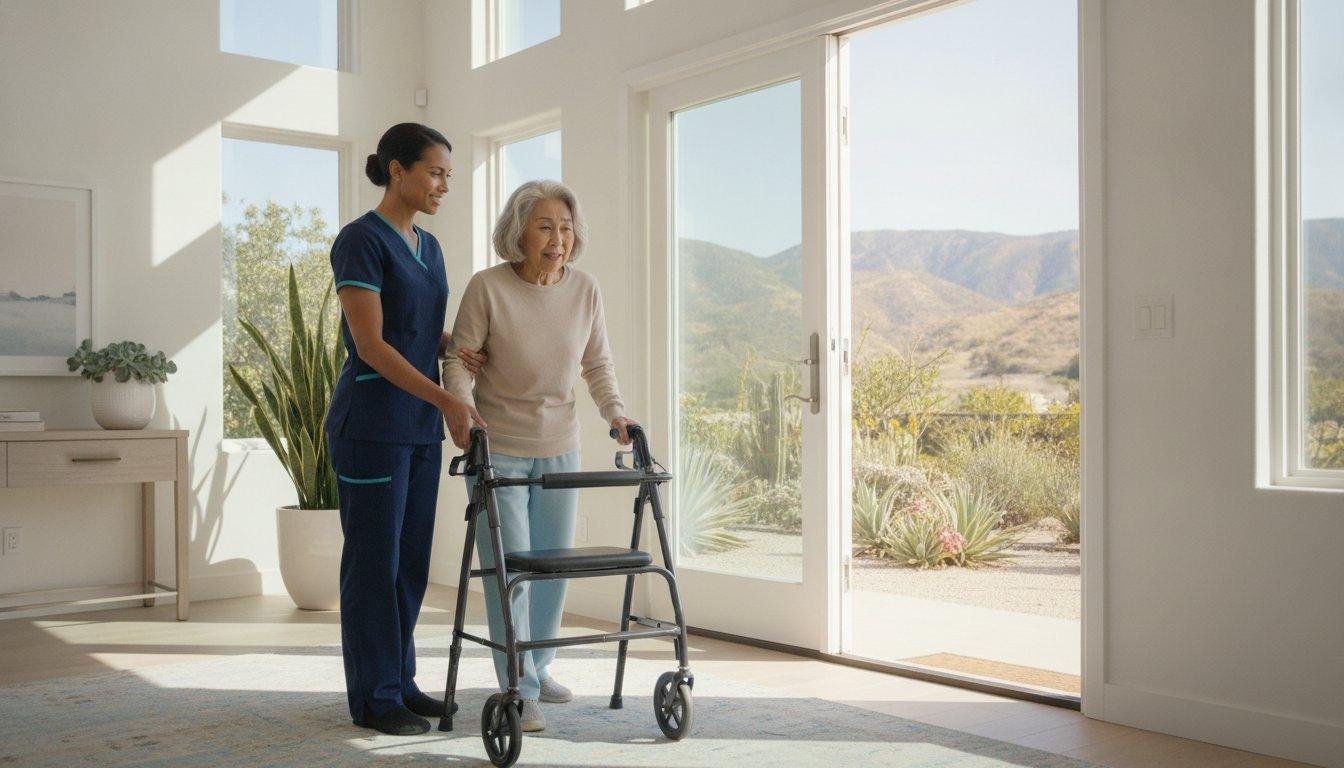
What if your clinical recovery plan was measured not by a checklist of symptoms, but by your ability to pour your own morning coffee or walk to your garden? For many families navigating post-operative care or chronic illness, the experience often feels cold and fragmented, leaving patients feeling like a case number rather than a person. You shouldn’t have to choose between high-level medical expertise and a plan that actually accounts for your home-specific challenges. This is the core philosophy of patient-centered home health care, a model that treats medical excellence and personal dignity as inseparable goals.
As we move into 2026, new standards like the OASIS-E data collection instrument and updated Conditions of Participation are raising the bar for clinical rigor in the home setting. Discover how patient-centered home health care transforms recovery by aligning professional clinical expertise with your personal health goals. This guide explores how seamless coordination between Registered Nurses, Physical Therapists, and Medical Social Workers ensures that clinical outcomes improve while your independence remains the primary focus of every visit. By prioritizing professional empathy and structured care, we ensure that every medical intervention serves your long-term quality of life.
Key Takeaways
- Understand the fundamental shift in clinical delivery that prioritizes your personal life goals over standard medical checklists.
- Learn how a multidisciplinary team, led by a Registered Nurse, coordinates specialized therapies to maintain your independence at home.
- Discover the specific benefits of patient-centered home health care compared to traditional models, focusing on shared decision-making and customized recovery plans.
- Prepare for a successful clinical assessment by identifying your primary recovery milestones and organizing essential medical documentation.
- Explore how clinical excellence and professional empathy are integrated to support families across North Hollywood and the San Fernando Valley.
What is Patient-Centered Home Health Care?
At its core, patient-centered home health care represents a fundamental departure from traditional, protocol-heavy medical models. While standard care often focuses strictly on the clinical management of a diagnosis, this approach prioritizes the individual’s values, preferences, and expressed needs. It shifts the primary clinical question from “What is the matter with you?” to “What matters to you?” This distinction is vital because a successful recovery isn’t just about stable vitals; it’s about returning to the activities that define a person’s life. To understand the foundational theory, one might ask, What is Patient-Centered Care? and find that it emphasizes the dignity and active participation of the individual in their own health journey. Patient-centered care is the integration of clinical excellence with patient autonomy.
This model is particularly critical for post-operative recovery and chronic condition management. When a patient returns home after surgery, the clinical environment changes instantly. Success depends on how well the medical team adapts to that environment. For chronic conditions, the goal is often long-term stability and the preservation of independence. By placing the patient at the center of the decision-making process, clinicians can create care plans that are more sustainable and less likely to result in hospital readmission. It’s a method that treats the person, not just the pathology.
The Core Principles of the Patient-Centered Model
The model relies on three fundamental pillars. First, a whole-person orientation ensures that Skilled Nursing Care and Physical Therapy address not just physical limitations, but also the emotional and social barriers to recovery. Second, coordinated care ensures that the Registered Nurse (RN), Physical Therapist (PT), and the family unit remain in constant communication. This prevents the “case number” feeling that often plagues modern medicine. Finally, accessibility ensures that clinical expertise is available within the patient’s own environment, providing professional support exactly where it’s most needed.
How Home Health Differs from a Medical Home Clinic
While many people are familiar with the “Medical Home” concept found in primary care clinics, patient-centered home health care brings that level of coordination directly into the residence. The home is the primary clinical environment for healing. This means recovery protocols must account for residential factors, such as the height of a bed or the layout of a kitchen. For residents in North Hollywood and the San Fernando Valley, localized care improves compliance because the clinical team understands the specific community resources available. When a therapist adjusts a care plan to fit a patient’s actual living room layout, the clinical outcome becomes more practical and achievable.
The Multidisciplinary Team: Coordinating Care at Home
True patient-centered home health care relies on the seamless synchronization of various specialists who work toward a single set of patient-defined goals. In this model, the Registered Nurse (RN) acts as the central clinical coordinator, translating complex physician orders into a manageable daily routine for both the patient and their family caregivers. This leadership ensures that every visit, whether from a therapist or a nurse, builds upon the previous one. When clinical oversight is centralized, it eliminates the confusion of conflicting instructions and provides a stable point of contact for the family. If you are seeking multidisciplinary home care that emphasizes this level of coordination, understanding the specific roles of each team member is essential.
Medical Social Workers also play a vital role by helping families manage the logistical and emotional complexities of the Los Angeles healthcare system. They offer guidance on community resources and long-term planning, ensuring that the burden of navigation doesn’t fall solely on the grieving or recovering family. By integrating Speech Therapy and Personal Care Assistance into the holistic plan, the team addresses communication barriers and daily living needs that are often overlooked in traditional clinical settings. This comprehensive approach ensures that no aspect of the patient’s well-being is neglected during the transition from hospital to home.
Skilled Nursing and Clinical Oversight
Skilled Nursing Care focuses on high-level interventions such as wound care and medication management through a patient-centered lens. Rather than simply performing a task, the nurse educates the family to become confident partners in the recovery process, fostering a sense of autonomy and safety. Comprehensive clinical assessments in 2026 prioritize patient comfort by focusing on non-invasive monitoring and pain management strategies that respect the sanctity of the home environment. This shift ensures that clinical excellence never comes at the expense of the individual’s dignity or peace of mind.
Rehabilitative Therapy with Personal Goals
Rehabilitative services are most effective when they mirror the patient’s actual environment and daily needs. Physical Therapy goals shift from the abstract “walking 50 feet” to the functional “walking to the mailbox independently,” making progress feel tangible and rewarding. Occupational Therapy focuses on adapting the specific layout of a North Hollywood home, ensuring that kitchen or bathroom modifications maximize daily independence. Meanwhile, Speech Therapy works to recover communication skills, which is essential for maintaining social engagement and preventing the isolation that often accompanies long-term recovery.
Standard vs. Patient-Centered Care: A Comparison
Distinguishing between these two models is essential for families making critical healthcare decisions. Standard home care is often protocol-driven, meaning it follows a rigid sequence of medical tasks designed for a generic patient profile. In contrast, patient-centered home health care is goal-driven. In this model, the clinical plan is adapted to the patient’s specific environment and functional aspirations. While protocols ensure safety, goals ensure progress. When a clinician focuses on what a patient wants to achieve, such as standing long enough to prepare a meal, the clinical interventions become more meaningful and effective.
The difference also extends to communication styles. Traditional care often relies on one-way instructions where the clinician provides a list of “do’s and don’ts.” Patient-centered care utilizes shared decision-making, where the patient and family are active participants in the care plan. This collaborative approach is particularly impactful for patients with chronic conditions. When patients feel their preferences are heard, they’re more likely to adhere to medication schedules and therapy exercises. This leads to more stable long-term outcomes and a significant reduction in the stress associated with managing complex health needs.
Consider a hip replacement recovery in Los Angeles as a practical example. A standard approach might focus strictly on range-of-motion measurements in a clinical vacuum. A patient-centered approach recognizes that a resident in a multi-story home in the San Fernando Valley needs specific stair-climbing benchmarks to safely access their bedroom. By aligning Physical Therapy with the actual layout of the home, the team ensures the patient reaches functional independence faster. Data suggests that patients who engage in goal-setting during post-operative recovery often report higher levels of confidence and a smoother transition to daily activities.
Why Protocol-Only Care Often Fails at Home
The “one-size-fits-all” trap is a common pitfall in post-operative recovery. Protocols often ignore the social determinants of health, such as a patient’s access to nutritious food or the presence of a reliable family caregiver. When these factors aren’t addressed, even the best medical treatment can fail. By identifying these barriers early, patient-centered home health care reduces hospital readmission rates. It ensures that the clinical plan is not just medically sound, but also practically possible within the patient’s specific living situation.
The Long-Term Benefits of Personalized Clinical Visits
Personalized visits result in higher patient satisfaction and improved emotional well-being. When a Registered Nurse or Physical Therapist takes the time to understand a patient’s personal history, it builds a foundation of trust. This trust allows for a more efficient use of Medical Social Services and community resources, as the team can target the exact areas where the patient needs support. For bedridden or highly dependent patients, this level of attention improves safety by ensuring that every aspect of their environment is optimized for their specific physical limitations.
Preparing for Your Patient-Centered Home Health Assessment
The initial assessment is the most critical step in establishing a successful recovery path. It serves as the foundation for patient-centered home health care, moving beyond a simple medical intake to create a comprehensive blueprint for your independence. To ensure this clinical partnership begins effectively, you should take an active role in the preparation process. By organizing your information and expectations ahead of time, you enable the visiting clinician to focus on how their expertise can best serve your specific lifestyle needs. If you are ready to start this journey, you can schedule a clinical assessment with our multidisciplinary team to begin your personalized care plan.
Preparation involves several practical steps that bridge the gap between hospital discharge and home stability. Follow this checklist to prepare for your first visit:
- Step 1: Identify your primary recovery goals. Think about the specific activities you miss most. Whether it is gardening or simply navigating your hallway without assistance, these personal milestones are essential for your therapists to know.
- Step 2: Gather medical history and medications. Have a complete list of current prescriptions, dosages, and recent hospital discharge summaries ready. This prevents medication errors and ensures clinical continuity.
- Step 3: Assess the home environment. Walk through your living space to identify potential hazards like loose rugs or poor lighting. Note areas where you feel unsteady, as this helps the Occupational Therapist prioritize safety modifications.
- Step 4: Prepare questions for the team. Write down concerns regarding your symptoms, exercise limits, or equipment needs. Active advocacy ensures that the care plan reflects your priorities.
- Step 5: Establish a communication plan. Determine who will be the primary point of contact for the care coordinator. Clear lines of communication between the family and the Registered Nurse ensure that updates are shared promptly and accurately.
Setting Realistic and Meaningful Recovery Goals
There is a distinct difference between clinical milestones, such as “wound healing,” and lifestyle goals, such as “sitting at the dinner table with family.” While your nurse focuses on the former, your Physical Therapist needs to understand the latter to keep you motivated. Communicating these priorities allows the team to tailor their interventions to your actual life. For example, a SMART goal for home health might be: “I will be able to stand at the kitchen counter for 10 minutes to prepare a light meal by the end of my third week of therapy.”
Questions to Ask Your Home Health Agency
Advocating for yourself means asking direct questions about the agency’s operational standards. You should ask how they coordinate communication between your primary physician and their visiting therapists. Inquire about their specific process for adjusting the care plan if your physical needs change unexpectedly. Finally, ask how they support family caregivers in North Hollywood, ensuring that your loved ones have the resources and training they need to be effective partners in your recovery.
Everest Peak: Your Partner for Patient-Centered Care in North Hollywood
Everest Peak Home Health Care operates with a steadfast commitment to professional empathy and clinical excellence. We serve the San Fernando Valley as a dedicated multidisciplinary team, ensuring that every patient receives a level of care that is both medically rigorous and deeply respectful. Our approach to patient-centered home health care bridges the critical gap between hospital discharge and home independence. We understand that the transition to residential recovery can be a period of significant stress for families. By maintaining a sense of quiet confidence and stability, we act as a dependable partner, providing the structured guidance necessary to navigate complex health transitions with dignity.
Our clinical staff includes licensed Registered Nurses and Vocational Nurses who work alongside specialized therapists to deliver comprehensive support. We prioritize the preservation of autonomy, ensuring that medical interventions align with the patient’s personal environment. This focus on localized expertise allows us to serve North Hollywood and the surrounding Los Angeles area with a deep understanding of the specific community resources available to our patients. When you choose a partner who values clinical discipline as much as patient comfort, you ensure a recovery process that is both safe and sustainable.
Our Specialized Services for Los Angeles Residents
We provide a range of clinical interventions designed to address the unique challenges of home-based recovery. Our Skilled Nursing Care focuses on wound management and post-operative support, ensuring that clinical protocols are followed with precision to prevent complications. We offer comprehensive Physical and Occupational Therapy programs that are tailored to the specific layout of your home, allowing for a more practical and effective rehabilitative experience. Additionally, our Medical Social Workers provide compassionate support for complex care needs, helping families manage the social and emotional aspects of long-term recovery.
Starting Your Journey with Everest Peak Home Health Care
The path to recovery begins with a thorough initial clinical assessment conducted in the comfort of your own home. During this visit, our clinicians evaluate your physical needs, safety requirements, and personal recovery goals to ensure no detail is overlooked. We build your customized care plan around your life, rather than forcing your life to fit a standard medical protocol. This individualized strategy ensures that every visit from our team contributes directly to your long-term health and independence. If you are ready to experience a more coordinated and respectful form of medical support, Contact Everest Peak Home Health Care for a clinical consultation today to begin your personalized journey toward wellness.
Advancing Your Recovery with Clinical Precision and Personal Dignity
The landscape of home-based medical care in 2026 demands more than just a sequence of clinical visits. It requires a fundamental shift toward a model where your personal recovery milestones dictate the path of professional intervention. By moving from rigid protocols to goal-driven strategies, patient-centered home health care ensures that every medical action serves your long-term independence and comfort. Whether you are managing a chronic condition or recovering from a complex surgery, the coordination between skilled nursing and specialized therapy is the key to achieving superior clinical outcomes without sacrificing the sanctity of your home environment.
Our team of Licensed RNs and Specialized Therapists is dedicated to providing this level of integrated support throughout North Hollywood and the San Fernando Valley. We specialize in expert post-operative and chronic condition management, acting as a stable extension of your family’s care circle. If you’re ready to transition from feeling like a case number to being the center of your own recovery plan, Schedule a Patient-Centered Care Assessment with Everest Peak. Your journey toward a more autonomous and healthy life at home starts with a partner who values your dignity as much as your clinical progress.
Frequently Asked Questions
Does Medicare cover patient-centered home health care in 2026?
Medicare continues to cover home health services in 2026 for patients who meet homebound criteria and have a physician’s order. The CMS-1828-F final rule, effective as of January 1, 2026, governs the current clinical standards and payment structures. While administrative adjustments occur annually, the core benefit remains available to support recovery and chronic condition management for qualifying beneficiaries without out-of-pocket costs.
How often will a nurse or therapist visit my home?
The frequency of visits is determined by your specific clinical needs and the care plan established by your physician. Some patients require daily Skilled Nursing Care immediately following a hospital discharge, while others may see a Physical Therapist twice weekly. Your care coordinator will adjust this schedule as your functional independence improves, ensuring that clinical support remains aligned with your recovery milestones.
Can I choose which therapist or nurse comes to my house?
Agencies prioritize clinical consistency to foster the trust necessary for effective patient-centered home health care. While specific staff assignments depend on clinical availability and the required expertise, we strive to match you with a consistent team of providers. This stable relationship allows your Registered Nurse and therapists to become deeply familiar with your home environment and personal health goals.
What happens if my health needs change during the care period?
Your care plan is a dynamic document that our team reviews during every clinical visit. If your condition improves or requires more intensive intervention, your Registered Nurse will coordinate with your physician to update the orders. This flexibility ensures that your treatment remains medically appropriate and responsive to your real-time health status, maintaining the highest standards of clinical excellence.
Is patient-centered care available for bedridden patients?
Patient-centered care is highly effective for bedridden or highly dependent patients who require intensive clinical oversight. Our team focuses on preventing complications such as pressure ulcers and respiratory issues while maximizing your comfort and dignity. Occupational Therapists also provide essential guidance on positioning and assistive devices, ensuring that your home environment is optimized for safety and the preservation of skin integrity.
How does Everest Peak coordinate with my primary care physician?
We act as the clinical eyes and ears for your primary care physician within your home. Our Registered Nurses provide regular status reports and clinical data to your doctor, ensuring they remain informed of your progress or any emerging health concerns. This professional synchronization ensures that the medical care you receive at home is a seamless extension of your doctor’s clinical strategy.
What is the role of a Medical Social Worker in home health care?
Medical Social Workers provide essential support by addressing the social and emotional factors that impact your recovery. They assist families in navigating the complexities of the Los Angeles healthcare system and identifying community resources in the San Fernando Valley. Their role is to support the family unit, ensuring that non-clinical barriers to health are identified and managed professionally.
How do I transition from hospital care to Everest Peak’s home services?
The transition typically begins while you’re still in the hospital, where a discharge planner coordinates with our intake team. Once your physician signs the home health orders, we schedule an initial clinical assessment to begin your services. This organized handoff ensures that your Skilled Nursing Care and therapy programs start promptly, preventing gaps in your medical treatment during the move home.