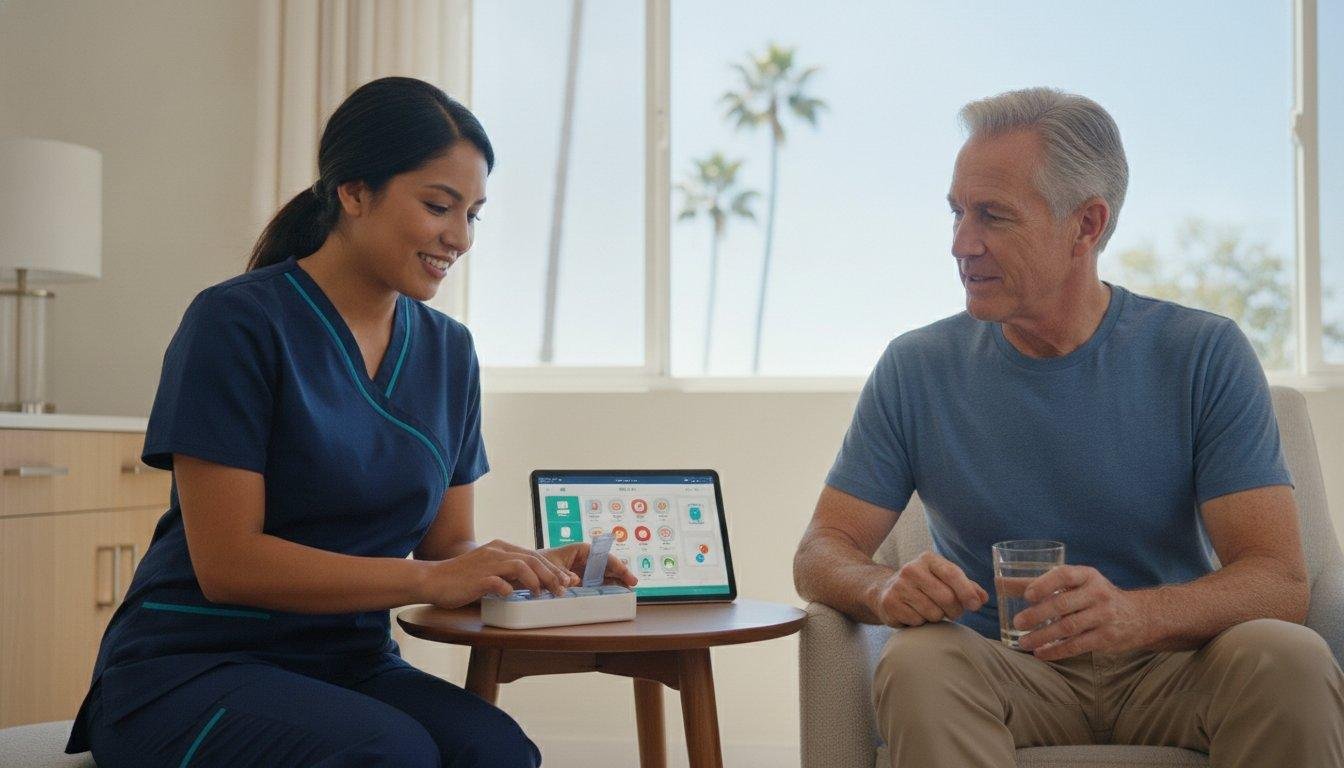
Imagine the moment of returning home after a hospital stay, only to find a kitchen counter crowded with new prescriptions, complex IV schedules, and confusing dosage instructions. For many families, the transition from clinical supervision to home-based recovery is marked by a deep-seated fear of a single missed dose or an unrecognized side effect. This is why securing skilled nursing for medication management Los Angeles becomes a vital step in the healing process. Licensed Registered Nurses and Vocational Nurses provide the clinical oversight necessary to bridge the gap between hospital discharge and long-term stability; they ensure that every injection and infusion is handled with professional precision.
You likely believe that your loved one deserves the highest standard of care without the stress of managing a medical regimen on your own. It’s natural to feel overwhelmed when faced with complex clinical tasks in a residential setting. This guide explores how professional skilled nursing ensures medication safety and clinical stability for patients recovering at home. We’ll examine the specific roles of licensed practitioners in monitoring side effects, managing complex schedules, and providing the peace of mind that comes from expert oversight.
Key Takeaways
- Understand the clinical scope of medication management, which involves professional assessment and administration rather than just simple reminders.
- Learn to distinguish between custodial care and skilled nursing for medication management Los Angeles to ensure your loved one receives the correct level of medical oversight.
- Identify the complex clinical procedures, including IV infusion therapy and injectable management, that require the expertise of a licensed Registered Nurse.
- Recognize red flags such as polypharmacy and cognitive decline that indicate a critical need for professional clinical intervention to maintain patient safety.
- Discover how to properly initiate licensed home health services to bridge the gap between hospital discharge and clinical stability at home.
What is Skilled Nursing for Medication Management at Home?
Skilled nursing for medication management Los Angeles represents a specific tier of clinical care that occurs within a patient’s residence rather than a 24-hour facility. This service is provided exclusively by licensed Registered Nurses (RNs) or Licensed Vocational Nurses (LVNs) who possess the specialized training required to handle complex medical regimens. It’s a common misconception that medication management is simply a series of verbal reminders to take a pill. In a professional home health context, this discipline involves a rigorous process of clinical assessment, dosage titration, and the management of high-risk delivery methods. Skilled nursing is a clinical necessity for safe medication titration and administration.
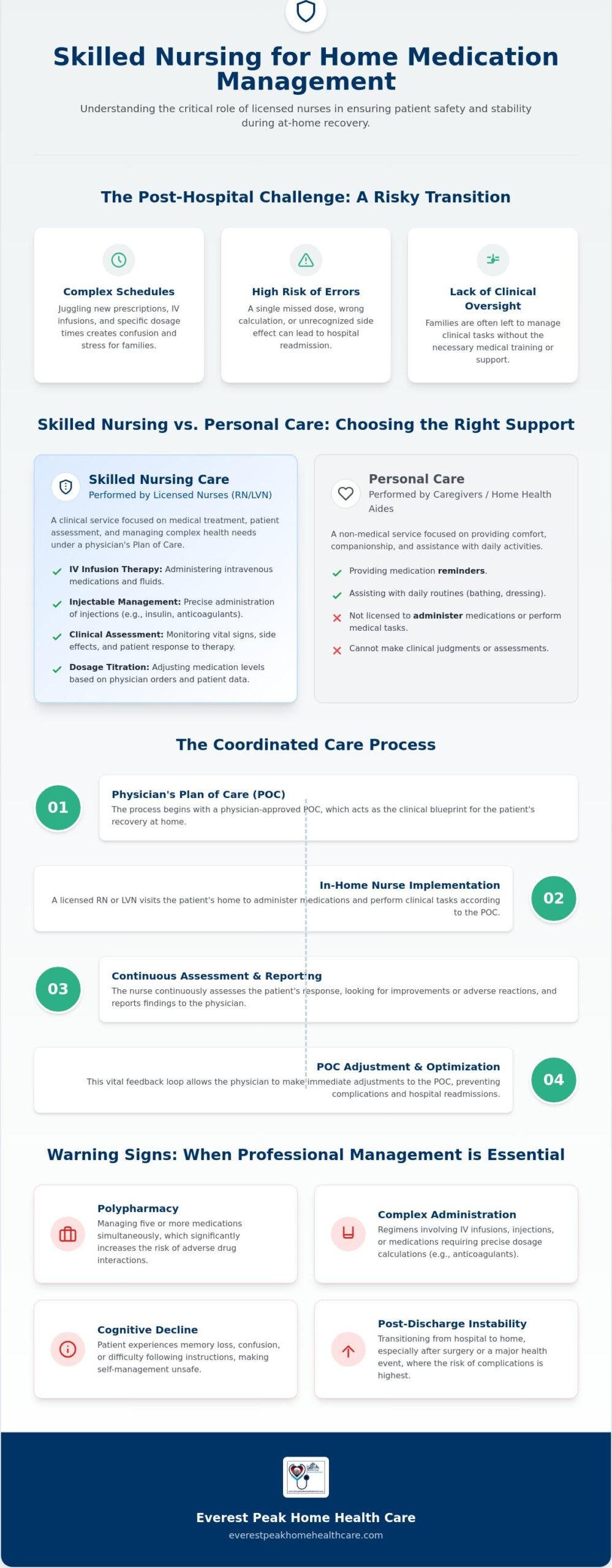
Every intervention performed by a home health nurse must align with a physician-approved Plan of Care (POC). This document serves as the clinical blueprint for recovery, ensuring that the nurse’s actions are medically justified and synchronized with the patient’s broader health goals. Without this structured oversight, the risks of adverse drug events or therapeutic failure increase significantly. The nurse doesn’t just deliver medicine; they manage a specialized medical strategy designed to stabilize the patient’s condition.
The Role of the Licensed Nurse in the Home
The Registered Nurse (RN) acts as the primary clinical evaluator in the residential setting. They conduct comprehensive assessments of the patient’s physiological response to therapy, looking for subtle signs of toxicity or improvement that a layperson might overlook. Licensed Vocational Nurses (LVNs) complement this by executing specialized clinical tasks, such as administering scheduled injections or managing wound care associated with certain treatments. This team-based approach combines technical precision with professional empathy. Nurses recognize that they aren’t just treating a condition. They’re supporting an individual who may be struggling with the loss of autonomy during a difficult health transition.
Physician Oversight and Clinical Coordination
Effective Comprehensive Medication Management requires a continuous feedback loop between the home nurse and the primary physician. When a nurse observes a change in a patient’s status, they communicate these findings directly to the medical team to facilitate immediate adjustments to the Plan of Care. This clinical vigilance is essential for preventing hospital readmissions. It allows for the early detection of complications before they escalate into medical emergencies. By maintaining this high level of coordination, skilled nursing for medication management Los Angeles provides a stable environment where recovery can progress without the disruption of recurring health crises. The goal is always the preservation of patient health and the prevention of unnecessary clinical decline.
Skilled Nursing vs. Personal Care: Choosing the Right Support
Selecting the appropriate level of home support is a critical decision that directly impacts patient safety and recovery speed. Many families in Southern California initially struggle to distinguish between medical (skilled) and custodial (non-medical) care. While both roles are essential for a successful recovery, the boundary between them is defined by clinical necessity and California state regulations. Skilled nursing for medication management Los Angeles requires a licensed professional who possesses the clinical judgment to evaluate a patient’s physical response to a drug, whereas personal care is focused on comfort and daily routine assistance.
The primary difference lies in education and licensing requirements. Registered Nurses (RNs) and Licensed Vocational Nurses (LVNs) undergo years of rigorous clinical training and must pass state board examinations to practice. This background allows them to understand the pharmacokinetics of various treatments and recognize early signs of toxicity. In contrast, caregivers or personal care assistants are not licensed to perform medical tasks or administer medications. Relying on an unlicensed individual to manage complex medical regimens introduces significant safety risks, as they lack the training to identify adverse drug interactions or calculate precise dosages for high-risk medications like anticoagulants.
Clinical Tasks: The Domain of the Skilled Nurse
Licensed nurses are authorized to perform a wide range of skilled nursing care services that go far beyond simple pill organization. These tasks include the administration of IV infusion therapy, intramuscular injections, and complex wound care that often accompanies post-operative recovery. A nurse is responsible for maintaining an accurate Medication Administration Record (MAR), which serves as a legal document of every dose delivered. This level of documentation ensures that every practitioner involved in the patient’s care has a clear, clinical view of the treatment progress. Professional monitoring is especially vital when a patient is taking multiple medications, as the risk of a dangerous interaction increases with each new prescription.
Custodial Care: Support with Activities of Daily Living (ADLs)
Custodial care focuses on supporting Activities of Daily Living (ADLs), such as grooming, hygiene, meal preparation, and mobility assistance. These services are vital for maintaining the patient’s dignity and quality of life, but they do not involve clinical decision-making. At Everest Peak Home Health Care, we recognize that a patient’s needs often overlap. Our team integrates both levels of support, ensuring that while a nurse manages the clinical regimen, the patient also receives the personal assistance needed for a comfortable environment. If you’re uncertain which level of support your family requires, our team can help you evaluate your home health options to ensure a safe and holistic care plan.
Clinical Interventions: How Licensed Nurses Manage Complex Regimens
Managing complex medical regimens at home requires more than just clinical knowledge; it demands a methodical and unhurried approach to each intervention. Skilled nursing for medication management Los Angeles provides the necessary oversight for high-acuity treatments, such as IV infusion therapy, within the comfort of a patient’s residence. Nurses manage the entire infusion process, from maintaining site integrity to monitoring the flow rate, which directly prevents systemic infections and ensures the medication reaches therapeutic levels. This service-to-outcome framework is a cornerstone of professional home health, where a specific action, like precise dosage titration, leads to the practical benefit of physiological stability and a reduced risk of complications.
The management of injectable medications, including insulin or anticoagulants, is another area where professional expertise is vital. These medications require exact timing and a sophisticated understanding of how they interact with the patient’s current health status. A licensed nurse doesn’t just administer the injection; they evaluate the injection site, rotate locations to prevent tissue damage, and assess the patient’s immediate response. This level of clinical vigilance is particularly important when navigating the challenges with medication management in seniors, where age-related changes can significantly alter how the body processes potent drugs.
Pharmacological Monitoring and Side Effect Management
Nurses are trained to identify early signs of medication toxicity or allergic reactions that might be misinterpreted by family members as general fatigue or aging. During the titration of a new medication, the nurse monitors vital signs, such as blood pressure and heart rate, to ensure the patient’s body is tolerating the change. If a nurse detects an adverse response, they follow a strict communication protocol to report these findings to the medical team immediately. This proactive approach allows for rapid adjustments to the treatment plan, often preventing a health crisis before it starts.
Medication Reconciliation and Organization
The transition from hospital to home often involves a confusing array of new and old prescriptions from multiple specialists. Medication reconciliation is the process by which a nurse consolidates these orders into a single, safe, and organized schedule. They look for duplicate therapies or potential drug-drug interactions that could compromise the patient’s safety. Beyond the clinical tasks, nurses provide essential education to the family care circle. By explaining the clinical purpose behind each medication, the nurse empowers the family with the knowledge needed to support long-term safety and adherence. This comprehensive oversight ensures that no aspect of the patient’s pharmacological care is overlooked during the recovery process.
Warning Signs: When Professional Medication Management is Essential
Recognizing the transition from independent medication handling to a state of clinical risk is a vital step in protecting a loved one’s health. While many patients initially feel confident in their ability to self-administer, several factors can quickly compromise safety. Cognitive decline is a primary risk factor, as memory impairment often leads to accidental double-dosing or entirely missed medications. Similarly, “pill fatigue” occurs when a patient becomes psychologically overwhelmed by a complex, lifelong regimen, which frequently results in intentional non-compliance. When these behaviors emerge, securing skilled nursing for medication management Los Angeles provides a necessary clinical safeguard, ensuring that the patient’s pharmacological needs are met without the risk of human error.
Polypharmacy presents another significant clinical danger. Defined as the simultaneous use of five or more medications, polypharmacy significantly increases the probability of adverse drug-drug interactions and metabolic strain. For patients in the Los Angeles area, physical limitations often exacerbate these risks. Vision loss makes it difficult to read small prescription labels, while tremors or arthritis can make it dangerous to handle small tablets or prepare syringes. Professional intervention replaces these physical hurdles with licensed precision, maintaining the patient’s safety while preserving their comfort at home.
Post-Surgical and Acute Recovery Risks
The transition from a highly controlled hospital environment to a residential setting in North Hollywood is a vulnerable period for any patient. Post-operative protocols often involve high-potency analgesics and anticoagulants that require strict adherence to avoid respiratory depression or internal bleeding. A licensed nurse manages these powerful medications with the quiet confidence of an expert, ensuring the dosage is titrated correctly to manage pain while maintaining clinical stability. Families should monitor for the following signs of medication-related distress:
- Unexplained lethargy or excessive daytime drowsiness.
- Sudden bouts of confusion, agitation, or disorientation.
- Difficulty manipulating pill bottles or measuring liquid dosages.
- Frequent “near-misses” or finding loose pills in the home.
Managing Chronic and Progressive Illnesses
For patients living with chronic conditions such as diabetes, heart failure, or Parkinson’s disease, medication management is a constant, evolving process. Professional monitoring ensures that as these illnesses progress, the medication Plan of Care is adjusted in real-time to reflect the patient’s changing physiological needs. This clinical vigilance is a primary factor in preventing unnecessary ER visits and hospital readmissions. By delegating these complex tasks to a professional, patients are able to maintain their dignity and independence, focusing on their recovery rather than the stress of a medical schedule. If you’ve observed these warning signs in your home, contact our clinical team to discuss how professional nursing oversight can restore safety and peace of mind.
Implementing Professional Nursing Care in Los Angeles
Initiating home health services in North Hollywood and the greater Los Angeles area involves a structured transition plan that begins before the patient even leaves the hospital. Families should work closely with discharge planners to ensure that skilled nursing for medication management Los Angeles is arranged as part of the initial transition home. This early coordination prevents a lapse in clinical oversight, which is a common period for medication errors to occur. By establishing a professional care plan early, the patient moves directly from the controlled hospital environment into a supervised residential setting, maintaining the clinical stability necessary for a successful recovery.
Choosing a licensed home health agency (HHA) is the most critical step in this process. A licensed agency operates under the strict regulatory oversight of the California Department of Public Health, ensuring that every nurse who enters your home has been properly vetted and possesses the necessary clinical credentials. This professional framework provides a level of accountability that private, unlicensed caregivers cannot offer. The long-term benefits of this steady clinical support include a significant reduction in the risk of hospital readmission and the preservation of the patient’s physiological health during the most vulnerable stages of their recovery.
Selecting a Licensed Agency in the San Fernando Valley
When you begin your search in the San Fernando Valley, it’s vital to verify the agency’s current licensing status and their specific experience with complex medication titration. Ask potential providers about their nurse-to-patient approach and how they handle communication with primary physicians. You’ll want an agency that demonstrates local expertise in navigating the Los Angeles healthcare network, as this ensures they can efficiently coordinate with local specialists and pharmacies. A methodical, unhurried clinical approach is the hallmark of a high-quality agency; it suggests that the nurse will prioritize thorough assessments over a rushed schedule.
The Everest Peak Standard of Clinical Excellence
Everest Peak Home Health Care operates with a commitment to professional empathy and clinical rigor, positioning our agency as a dependable partner for families in Los Angeles. Our staff of Registered Nurses and Licensed Vocational Nurses focuses on creating customized plans that address the nuanced needs of patients with chronic conditions or post-operative requirements. We act as a professional extension of the family’s care circle, providing the quiet confidence and stability needed to manage complex medical transitions. If you’re ready to secure expert oversight for your loved one, you can Request a clinical consultation for medication management to learn how we can support your family’s specific needs. Professional skilled nursing for medication management Los Angeles is not just a service; it’s a commitment to the safety, dignity, and long-term health of the patient.
Securing a Path to Clinical Stability at Home
Managing a complex medical regimen doesn’t have to be a source of constant anxiety for your family. By understanding the critical distinction between custodial assistance and licensed clinical oversight, you can ensure that your loved one receives the precise care they need to recover safely. Expert oversight changes everything. Professional skilled nursing for medication management Los Angeles provides the specialized monitoring required to prevent adverse drug interactions and manage high-risk therapies like IV infusions or anticoagulants. This structured approach bridges the gap between hospital discharge and long-term wellness; it allows the patient to focus on healing while a professional handles the technical complexities of their care.
Our licensed clinical team serves the greater Los Angeles area with a commitment to unhurried, methodical support. We bring specialized expertise in both post-operative recovery and chronic condition management directly to your residence. Safety is the priority. If you’re ready to restore peace of mind and clinical safety to your home environment, we invite you to Contact Everest Peak Home Health Care for Licensed Nursing Support. You don’t have to navigate these health challenges alone; expert help is available to guide you toward a stable and successful recovery.
Frequently Asked Questions
What is the difference between an RN and an LVN for home medication management?
Registered Nurses (RNs) focus on comprehensive clinical assessments and the development of the physician-approved Plan of Care. Licensed Vocational Nurses (LVNs) carry out specialized clinical tasks such as administering scheduled injections or performing wound care. Both roles are essential for skilled nursing for medication management Los Angeles; they work together to ensure that every aspect of the patient’s pharmacological regimen is executed with professional precision and documented accurately.
Does Medicare cover skilled nursing for medication management in Los Angeles?
Medicare typically covers intermittent skilled nursing care when it’s deemed medically necessary and the patient is homebound. This coverage applies to services provided by a licensed home health agency under a physician-approved Plan of Care. It’s important to verify your specific plan’s requirements, as certain criteria regarding the frequency of visits and the nature of the clinical intervention must be met for full reimbursement of these professional services.
Can a home nurse help with IV antibiotics or insulin injections?
Yes, licensed nurses are specifically trained to manage high-acuity treatments such as IV antibiotic infusions and insulin administration. These tasks require precise dosage calculations and careful monitoring of the patient’s physiological response to the medication. By having a professional oversee these injections, families can avoid the risks associated with improper administration and ensure that the therapy remains effective throughout the recovery period.
How often will a skilled nurse visit my home in North Hollywood?
The frequency of nursing visits in North Hollywood is determined by the specific medical needs outlined in your physician’s Plan of Care. Some patients may require daily visits for acute medication titration, while others might only need a licensed professional two or three times a week for monitoring. Each schedule is customized to promote clinical stability and prevent hospital readmission by providing consistent, unhurried oversight of the patient’s health status.
What happens if my medications change after the first nursing visit?
If a physician modifies your prescriptions, the home nurse immediately updates the Medication Administration Record and coordinates with the medical team to adjust the Plan of Care. This continuous feedback loop ensures that any new drug-drug interactions are identified before the first dose is given. This clinical vigilance is a core component of skilled nursing for medication management Los Angeles, providing a protective layer of safety during health transitions.
Do I need a physician’s referral for skilled nursing services?
Yes, a formal referral or order from a licensed physician is a legal requirement for initiating skilled nursing services. This ensures that the care provided is medically necessary and integrated into the patient’s overall treatment strategy. Once the referral is received, the home health agency works closely with the doctor to establish clinical goals and a structured schedule for nursing visits in the residential setting.
What is medication reconciliation and why is it important after surgery?
Medication reconciliation is the systematic process of comparing a patient’s new hospital prescriptions with their existing home medications to identify discrepancies. This step is vital after surgery because the introduction of new painkillers or anticoagulants can create dangerous interactions with long-term maintenance drugs. A licensed nurse performs this consolidation to ensure the final medication list is safe, accurate, and easy for the family to follow.
Can a personal care assistant administer medications in California?
In California, personal care assistants and home health aides are legally prohibited from administering medications or performing clinical tasks. Their role is restricted to assisting with Activities of Daily Living such as bathing or meal preparation. Only licensed practitioners, such as RNs or LVNs, possess the legal authority and clinical training required to manage medical regimens and monitor for adverse side effects in a residential setting.