
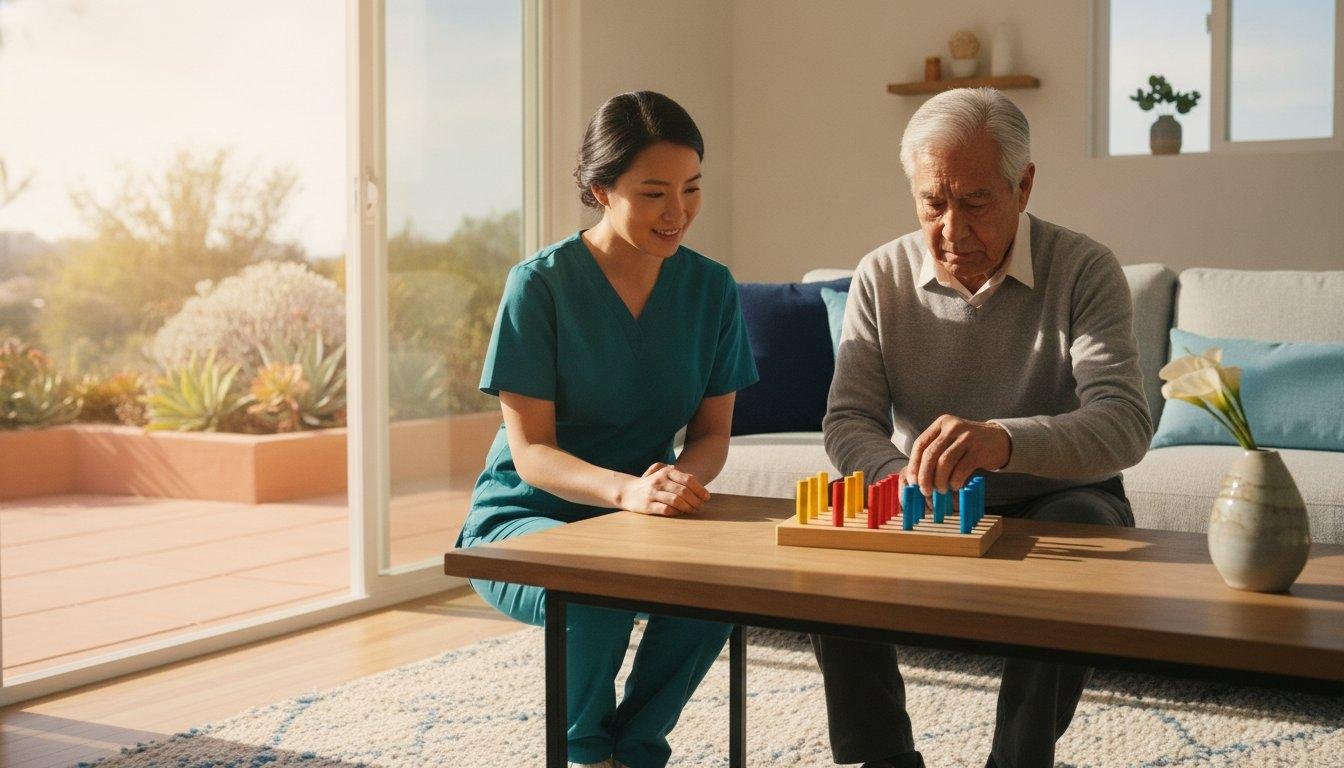
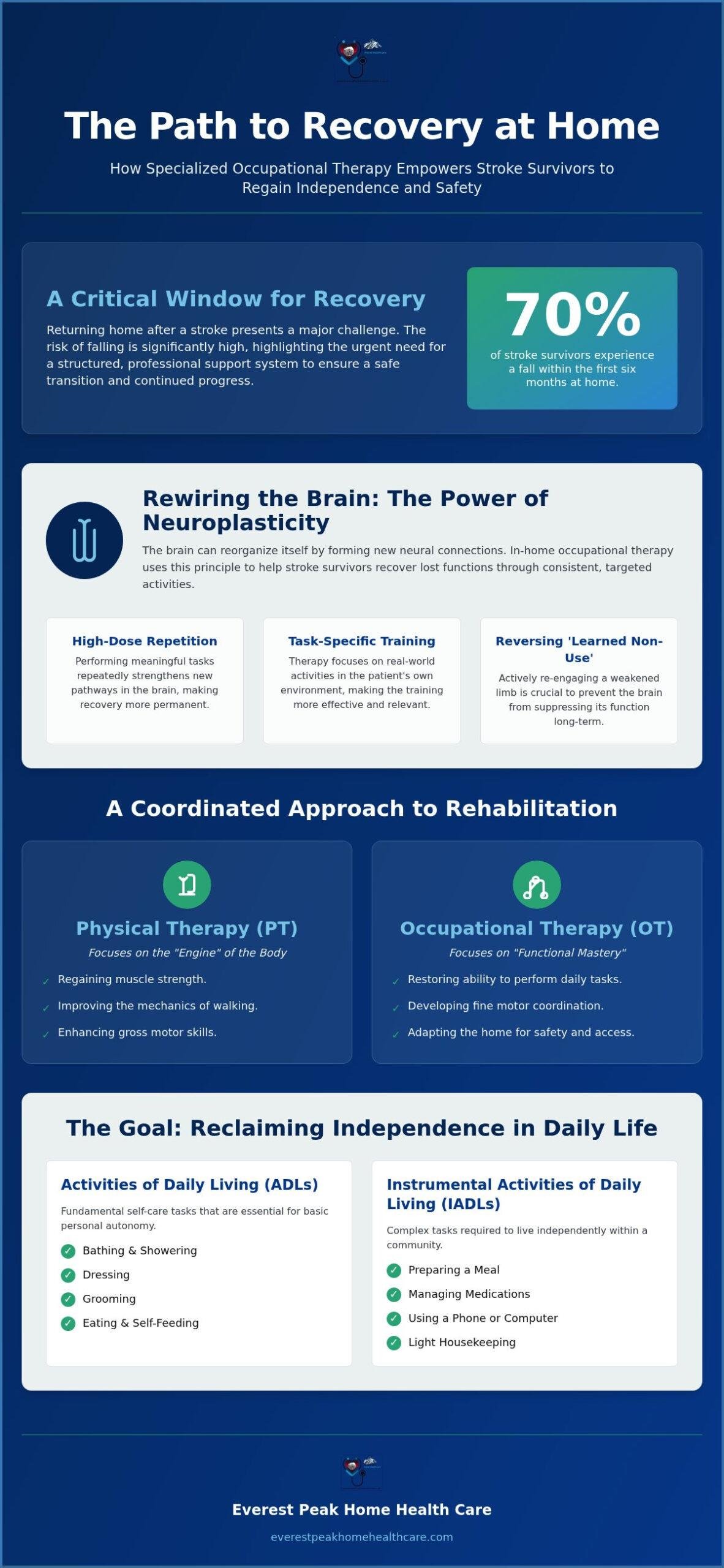
Up to 70% of stroke survivors experience a fall within the first six months of returning home, a statistic that highlights why specialized occupational therapy for stroke recovery at home is so critical. It’s natural to feel a sense of profound uncertainty as you navigate the loss of physical functions that once felt automatic. You might worry that the peak of recovery was reached at the hospital, leaving you to manage the complexities of daily life without the constant supervision of a clinical team. However, the transition home isn’t the end of your progress; it’s a vital opportunity for specialized rehabilitation.
Professional care offers a structured, evidence-based path toward regaining your independence. By leveraging the principles of neuroplasticity and task-specific training, licensed therapists help patients rewire neural pathways through the repetition of meaningful activities. This article explores how customized clinical interventions can transform your living space into a safe rehabilitative environment, focusing on restoring your ability to perform activities of daily living and setting measurable goals for long-term functional improvement. We’ll examine the specific roles of licensed therapists in North Hollywood and the San Fernando Valley who act as dedicated partners in your recovery journey.
Key Takeaways
- Understand how neuroplasticity allows the brain to reorganize itself through high-dose repetition of meaningful tasks in a familiar environment.
- Learn how a comprehensive home safety assessment balances the need for functional retraining with the strategic use of adaptive equipment.
- Explore the clinical benefits of structured daily routines and pacing strategies to maintain emotional stability and physical energy levels.
- Discover how professional occupational therapy for stroke recovery at home utilizes task-specific training to help survivors reclaim their ability to perform activities of daily living.
- Gain insights into how licensed therapists in the San Fernando Valley provide the clinical rigor necessary for safe and effective rehabilitative care.
Understanding the Role of Occupational Therapy in Post-Stroke Home Recovery
Occupational therapy for stroke recovery at home is a specialized clinical discipline focused on the restoration of meaningful activity. While many associate the word “occupational” with employment, in a rehabilitative context, it refers to any task that occupies your time and provides a sense of purpose. For a stroke survivor, this includes the complex sequence of dressing, the fine motor control required for grooming, or the cognitive organization needed to prepare a meal. Unlike a sterile hospital gym, the home setting allows a licensed therapist to observe how a patient interacts with their actual environment, making the training far more relevant and effective.
The fundamental difference between therapeutic disciplines lies in their primary objectives. While physical therapy focuses on the “engine” of the body, such as muscle strength and the mechanics of walking, occupational therapy focuses on “functional mastery.” It’s the difference between having the strength to lift an arm and having the coordination to use that arm to hold a fork. By conducting clinical visits in North Hollywood and the San Fernando Valley, therapists can identify specific physical barriers, such as narrow doorways or high cupboards, that wouldn’t be apparent in a traditional outpatient clinic.
OT vs. PT: Coordinating a Comprehensive Rehabilitation Plan
Therapists at Everest Peak Home Health Care work in tandem to ensure that physical gains translate into practical skills. This clinical synergy is vital; a physical therapist may help a survivor regain the leg strength to stand, but the occupational therapist provides the task-specific training needed to stand safely at a bathroom sink. This multi-disciplinary approach is a cornerstone of the Stroke recovery process, ensuring that gross motor improvements are supported by fine motor coordination. For families in the San Fernando Valley, this coordinated care model provides a structured path toward reclaiming a familiar lifestyle.
The Goal of Functional Independence and Autonomy
Clinical progress is often measured through the mastery of Activities of Daily Living (ADLs) and Instrumental Activities of Daily Living (IADLs). ADLs encompass basic self-care tasks like bathing and eating, while IADLs involve more complex responsibilities such as managing medication or using a computer. Regaining these abilities has a profound psychological impact, as it moves the survivor from a state of total dependence toward personal autonomy. Licensed therapists use standardized clinical assessments to track these functional improvements, ensuring that every milestone is documented and every goal is measurable. This methodical focus on independence doesn’t just improve physical safety; it restores the dignity and comfort of the individual within their own home.
The Clinical Science of Neuroplasticity and Functional Retraining
Neuroplasticity is the biological foundation of neurological rehabilitation, representing the brain’s capacity to reorganize its structure by forming new neural connections. After a stroke, damaged pathways no longer transmit signals effectively, but the brain can “rewire” itself to bypass these areas. Successful occupational therapy for stroke recovery at home utilizes this adaptability through high-dose repetition of purposeful movements. By performing these exercises in a familiar residential setting, patients provide their brains with the consistent stimulation needed to solidify these new pathways. This process is most effective when the training is directly linked to the patient’s actual environment and daily needs.
Licensed therapists are skilled at identifying the “just-right” challenge, a clinical threshold where a task is difficult enough to trigger neural growth but achievable enough to maintain the patient’s engagement. A significant focus of this intervention is reversing “learned non-use.” This condition occurs when a survivor instinctively relies only on their unaffected side, causing the brain to further suppress the neural representation of the weakened limb. Evidence-based occupational therapy interventions for stroke emphasize that active, guided use of the affected side is mandatory for long-term motor recovery. Families seeking this level of specialized clinical oversight can consult with the licensed therapists at Everest Peak Home Health Care to develop a rigorous, home-based recovery plan.
Leveraging Task-Specific Training for Daily Success
Task-specific training involves the repetitive practice of real-world activities to improve motor control and movement smoothness. Instead of abstract exercises, a patient might practice the specific sequence of folding laundry or the fine motor requirements of using kitchen utensils. This approach is highly effective because it mimics the complex physical and cognitive demands of independent living. Therapists break these movements into achievable sequences:
- Reach and Grasp: Focusing on shoulder stability and hand opening.
- Object Manipulation: Refining the pressure and coordination needed to hold an item.
- Release and Placement: Ensuring the patient can safely and accurately set an object down.
Continuous clinical observation allows the therapist to provide immediate feedback, ensuring that the patient doesn’t develop compensatory movements that could lead to secondary joint pain or muscle strain.
Addressing Cognitive and Visual Impairments Post-Stroke
Recovery isn’t limited to physical strength; it also involves the clinical management of cognitive and visual changes. Approximately 80% of survivors experience upper limb dysfunction, but many also face “hemispatial neglect,” a condition where the brain loses awareness of one side of the environment. Occupational therapists implement visual scanning protocols to help patients re-learn how to observe their entire surroundings. Retraining also targets executive functions like memory and sequencing, which are required for complex responsibilities such as managing a household budget. Therapists often supplement physical sessions with visualization techniques, as mental practice has been shown to activate the same neural networks as physical movement, further accelerating the recovery journey.
Essential Home Modifications and Adaptive Equipment Strategies
A critical component of occupational therapy for stroke recovery at home is the comprehensive safety assessment. Licensed therapists evaluate the physical layout of a residence to identify environmental barriers that may impede progress or increase the risk of injury. This clinical review is essential because up to 70% of stroke survivors experience a fall within the first six months of hospital discharge. By modifying the living environment, therapists reduce the caregiver’s physical burden and decrease the likelihood of re-hospitalization. The goal is to create a setting that supports both rehabilitation, which focuses on regaining lost skills, and compensation, which utilizes specialized tools to ensure immediate safety and autonomy.
Balancing these two approaches allows patients to remain active while they work on neurological recovery. For example, a therapist might recommend a reacher for a patient who hasn’t yet regained full trunk control. This compensatory tool prevents a fall while the patient continues their task-specific training to improve core balance. In the Los Angeles residential context, where homes often have varied architectural styles and floor levels, these customized modifications are vital for maintaining a secure and predictable environment.
Room-by-Room Safety and Accessibility Assessments
Therapists conduct methodical, room-by-room evaluations to ensure every area of the home is optimized for the survivor’s current functional level. In the kitchen, this involves organizing frequently used items for one-handed access and modifying storage heights to prevent overreaching. Bathroom safety is a primary concern; clinical recommendations often include the installation of bolted grab bars, shower benches, and high-contrast non-slip surfaces to assist those with visual deficits.
In bedrooms and living areas, the focus shifts to clearing pathways of clutter and improving ambient lighting. For patients experiencing hemispatial neglect or low vision, specialized lighting strategies help them navigate their surroundings more safely. These adjustments aren’t merely about convenience; they’re clinical interventions designed to foster a sense of stability and confidence during a stressful health transition.
Selecting Clinical Adaptive Tools for Daily Living
The selection of adaptive equipment is a highly individualized process that requires professional expertise. Fine motor aids such as weighted utensils, button hooks, and long-handled reachers allow survivors to perform self-care tasks that would otherwise be impossible. For those with significant gait instability, a therapist may recommend Ankle Foot Orthotics (AFOs) to provide the necessary support for safe mobility. It’s vital that a licensed professional performs the fitting and training for these tools. Improper use of adaptive equipment can lead to secondary injuries or a false sense of security, which is why clinical oversight is a mandatory part of the equipment selection process.
Creating a Structured Daily Routine for Long-Term Progress
Establishing a consistent daily rhythm is essential for managing the metabolic and cognitive demands of neurological recovery. A structured schedule minimizes the “decision fatigue” that often leads to frustration or withdrawal, providing a stable foundation for functional retraining. When organizing occupational therapy for stroke recovery at home, the focus shifts to creating a sustainable flow that balances active therapy with the brain’s need for consolidation. By embedding therapeutic goals into the natural sequence of the day, the survivor experiences a sense of normalcy while continuing their clinical progress. This integration ensures that every hour spent at home contributes to the long-term goal of autonomy.
Objective documentation is vital for maintaining motivation during the long recovery journey. While physical gains may seem subtle on a day-to-day basis, clinical logs and functional assessments provide clear evidence of improvement over weeks and months. These records allow the therapist to refine the treatment plan in real-time, ensuring that the patient is always working at their optimal challenge level. To establish a clinically sound recovery schedule that prioritizes both safety and progress, families can consult with the specialists at Everest Peak Home Health Care for professional occupational therapy services.
Balancing Therapeutic Activity with Essential Rest
Pacing is a fundamental clinical concept used to manage “neuro-fatigue,” a profound type of exhaustion that follows intense brain retraining. Unlike physical tiredness, this fatigue occurs because the brain is working significantly harder to process information through new neural pathways. Licensed therapists guide families to schedule high-effort tasks, such as complex cognitive exercises or intensive motor retraining, during peak energy windows, which typically occur in the morning. Restorative sleep is not a period of inactivity; it is the phase where the brain solidifies the skills learned during the day. Without adequate rest, the benefits of task-specific training are significantly diminished.
The Vital Role of the Family Caregiver in Home OT
The family caregiver acts as a crucial extension of the clinical team, yet finding the balance between providing support and encouraging independence is a complex challenge. Therapists provide specific training in “graded assistance,” which is the clinical art of providing only the minimum help necessary to ensure a task is completed safely. This approach prevents the patient from becoming overly dependent and encourages the brain to continue attempting difficult movements. Caregiver training also includes:
- Proper Body Mechanics: Techniques to prevent caregiver back and joint injuries during patient transfers and positioning.
- Environmental Cues: Learning how to use verbal or visual prompts to guide a survivor through a multi-step task like dressing.
- Psychological Support: Utilizing medical social services to navigate the emotional toll of long-term caregiving.
In the San Fernando Valley, medical social services are often integrated into the care plan to provide families with the logistical and emotional resources needed to maintain a healthy home environment.
Professional In-Home OT Services with Everest Peak Home Health Care
Everest Peak Home Health Care operates as a clinical extension of the family’s care circle, providing licensed therapists who specialize in complex neurological rehabilitation. By bringing specialized occupational therapy for stroke recovery at home to residents of North Hollywood and the San Fernando Valley, we eliminate the logistical stress of outpatient travel. This allows the survivor to conserve their limited energy for the actual work of recovery rather than wasting it on a taxing commute. Our clinical team maintains rigorous standards, ensuring that every intervention is evidence-based and aligned with the latest 2026 American Stroke Association guidelines for adult stroke rehabilitation.
Our therapists provide a level of quiet confidence and stability that is essential for families navigating stressful health transitions. We don’t just offer exercises; we provide a structured path through the complexities of home-based medical care. This professional oversight ensures that every aspect of the patient’s environment is optimized for safety and functional improvement. By working in the patient’s actual living space, our licensed practitioners can address real-world challenges that a hospital gym simply cannot replicate, leading to more sustainable long-term outcomes and a faster return to personal autonomy.
Our Clinical Assessment Process for Stroke Survivors
The journey toward independence begins with a comprehensive initial evaluation. During this first visit, a licensed therapist performs a deep dive into the patient’s functional status, cognitive sequencing, and physical safety. This assessment is far more than a checklist; it’s a customized review of the specific activities of daily living that matter most to the individual. We establish clear, measurable goals, such as regaining the fine motor control needed for grooming or the cognitive organization required for medication management. We also ensure all documentation meets the 2026 Medicare requirements, including the necessary KX modifiers once the therapy threshold of $2,480 is reached, ensuring that clinical necessity is always clearly communicated to payers and primary physicians.
Transitioning from Hospital to Home with Expert Support
Bridging the gap between an inpatient discharge and long-term stability is a vulnerable period for many families. Everest Peak ensures a seamless transition by coordinating directly with primary physicians, neurologists, and other specialists. This professional coordination is designed to prevent common post-discharge complications, such as the high risk of falls or the “learned non-use” of affected limbs. Our therapists act as knowledgeable guides, providing the clinical rigor necessary to maintain continuity of care. This steady, methodical approach mirrors the patient nature of our services, ensuring that no detail of the survivor’s recovery is overlooked. To begin this process, you can schedule a home health assessment with our team to discuss your specific needs and recovery goals.
Reclaiming Independence Through Specialized Home Care
The journey toward functional independence is built on clinical rigor and the brain’s capacity for neuroplasticity. By utilizing task-specific training and evidence-based protocols, stroke survivors can transform their living environments into spaces of active rehabilitation. Professional occupational therapy for stroke recovery at home ensures that every daily ritual becomes a step toward autonomy, supported by methodical home modifications and structured pacing to manage neuro-fatigue. This specialized approach moves beyond simple exercise; it’s a comprehensive redesign of a patient’s relationship with their home to foster safety and dignity.
At Everest Peak Home Health Care, our licensed registered nurses and therapists are dedicated to providing the stability and expertise families need during these transitions. We serve the greater Los Angeles area, including North Hollywood and the San Fernando Valley, with specialized stroke recovery protocols tailored to the individual. Taking the next step in your recovery journey ensures that professional oversight guides every milestone. We invite you to Request a Professional Home Health Assessment in North Hollywood to begin your path toward restored functionality and peace of mind. Your progress is possible, and we’re here to provide the steady support you deserve.
Frequently Asked Questions
What is the primary goal of occupational therapy for stroke survivors?
The primary goal of occupational therapy is to restore functional independence in activities of daily living (ADLs). Therapists focus on the occupations that define a person’s life, such as self-care, meal preparation, and leisure activities. By using task-specific training, licensed professionals help survivors reclaim their autonomy. This clinical focus ensures that patients don’t just gain strength, but also the practical coordination required to navigate their environment safely and with dignity.
How often should an occupational therapist visit a patient at home after a stroke?
The frequency of home clinical visits is determined by an initial evaluation and the patient’s specific rehabilitative needs. Typically, occupational therapy for stroke recovery at home involves two to three sessions per week during the early stages of discharge. This schedule allows for the high-dose repetition necessary for neurological progress while preventing excessive fatigue. As the survivor meets their functional milestones, the therapist may adjust the frequency to focus on long-term maintenance.
Can occupational therapy help with the emotional or cognitive changes after a stroke?
Occupational therapy addresses the cognitive and emotional sequelae of a stroke through targeted retraining. Licensed therapists implement specialized interventions for executive function, memory, and the sequencing skills needed for complex tasks. They also manage hemispatial neglect and visual scanning deficits. By restoring a patient’s ability to engage in meaningful activities, therapy provides a sense of purpose and stability, which is essential for emotional resilience during the recovery transition in the San Fernando Valley.
What is the difference between physical therapy and occupational therapy for stroke?
Physical therapy primarily focuses on mobility, gross motor strength, and the mechanics of walking. In contrast, occupational therapy focuses on functionality and the mastery of specific tasks. While a physical therapist helps a patient regain the strength to stand, the occupational therapist provides the training needed to use that standing position to wash dishes or get dressed. Both disciplines work in clinical synergy to ensure a comprehensive and highly organized recovery plan for the individual.
Does insurance or Medicare typically cover in-home occupational therapy visits?
Medicare and most private insurance plans typically cover in-home occupational therapy when it’s prescribed by a physician as part of a skilled home health plan. For 2026, the Medicare therapy threshold for OT services is $2,480. Once this limit is reached, a KX modifier is utilized to indicate continued medical necessity. It’s important to verify coverage details with your provider to ensure that the prescribed clinical visits meet all regulatory requirements for professional reimbursement.
How can I make my home safer for a loved one returning after a stroke?
A safer home environment begins with a comprehensive clinical assessment by a licensed therapist. Key interventions include clearing pathways of clutter, improving ambient lighting for those with visual deficits, and installing bolted grab bars in high-risk areas like the bathroom. These modifications are designed to reduce the risk of falls, which affect up to 70% of stroke survivors within six months of discharge. Professional guidance ensures that changes are specific to the patient’s functional limitations.
What kind of adaptive equipment is most helpful for stroke recovery?
The most helpful adaptive equipment depends on the patient’s specific motor and cognitive deficits. Licensed therapists in North Hollywood provide professional fitting and training for these devices:
- Weighted Utensils: To stabilize hand tremors during meals.
- Button Hooks: To assist with fine motor coordination while dressing.
- AFOs: To provide ankle support for safer mobility.
Professional oversight ensures these tools promote independence rather than creating a false sense of security or secondary injuries.
How long does the process of occupational therapy usually take for stroke recovery?
The duration of the stroke recovery process varies significantly based on the severity of the neurological event and the patient’s adherence to a structured routine. Some survivors see functional improvements within a few months, while others continue to make progress over several years. Occupational therapy provides a framework for long-term improvement by setting clear, measurable goals. The focus remains on steady, methodical progress rather than a rapid timeline, ensuring that regained skills are stable and sustainable.