
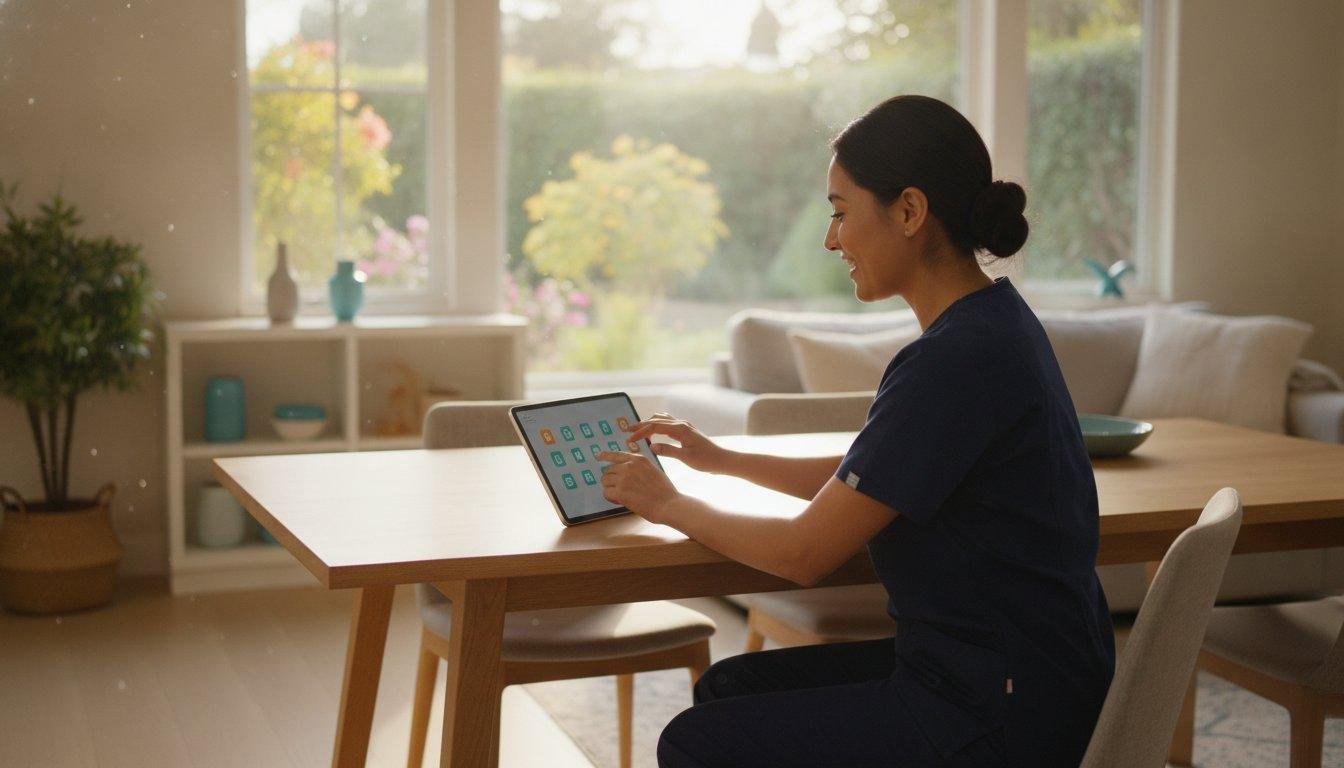
What if the most effective clinical environment for neurological recovery isn’t a sterile hospital wing, but your own dining room table? For many adults recovering from a stroke or managing Parkinson’s, the simple act of asking for a glass of water or safely swallowing a meal can feel like an insurmountable challenge. It’s natural to feel a sense of isolation when communication becomes a barrier, or deep anxiety when every bite of food carries a risk of choking. Professional speech therapy for adults at home addresses these clinical needs within the context of your daily life, providing a structured path back to autonomy.
This clinical guide explains how licensed speech-language pathologists help patients regain their voice, secure their swallowing safety, and restore cognitive clarity through specialized, in-home interventions. You’ll discover how tailored exercises lead to regained independence in daily communication and a reduced burden on family caregivers. We’ll explore the specific clinical protocols used to rebuild functional skills and the essential role that a familiar environment plays in accelerating a patient’s long-term recovery and dignity.
Key Takeaways
- Understand how speech-language pathology transitions from the clinic to the residence to prioritize functional recovery in a familiar environment.
- Learn about the specific medical requirements, such as physician orders and homebound status, it’s necessary to meet to access professional speech therapy for adults at home.
- Discover how specialized interventions address complex neurological conditions to restore safe swallowing functions and cognitive clarity.
- Explore the collaborative role of the caregiver in maintaining a communication-rich environment that’ll reinforce therapeutic progress between sessions.
- Gain insights into how an interdisciplinary team of therapists and nurses provides a comprehensive framework for long-term health and independence.
Understanding Speech-Language Pathology in the Home Setting
Speech-Language Pathology (SLP) is a specialized clinical discipline focused on the assessment and treatment of communication disorders and swallowing impairments. While many perceive speech therapy as simply helping someone talk, it’s a rigorous medical intervention. It restores essential life functions. Transitioning from a hospital-based rehabilitation unit to the residential setting is a pivotal moment in a patient’s recovery journey. Choosing speech therapy for adults at home allows for a seamless continuation of care. It prioritizes the patient’s dignity and long-term autonomy. This isn’t a casual practice; it’s a medically-integrated service delivered by licensed professionals who act as knowledgeable guides through the complexities of neurological and physical recovery. By focusing on the individual’s specific environment, therapists ensure that every exercise translates into a tangible improvement in daily life.
The Scope of Practice for Adult Speech Therapy
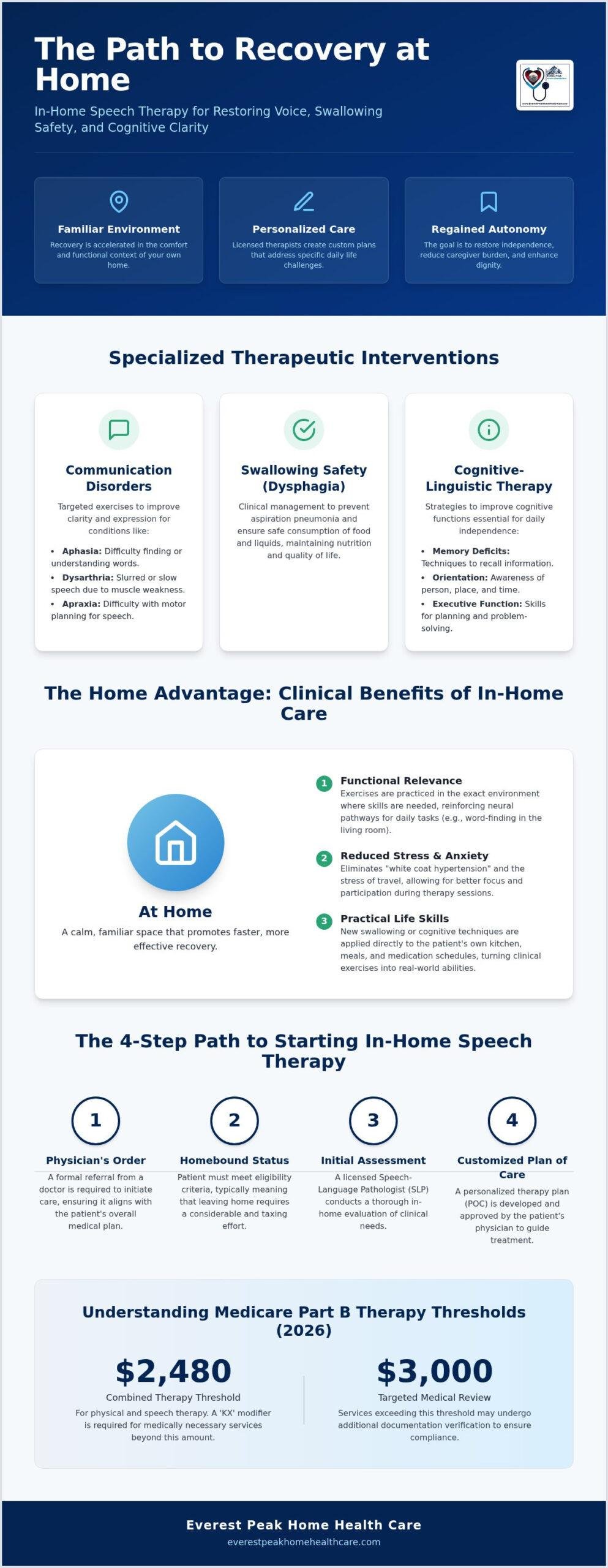
Licensed speech-language pathologists address a broad spectrum of conditions following a stroke, traumatic brain injury, or neurodegenerative disease. Communication disorders such as Aphasia, Dysarthria, and Apraxia require precise, evidence-based exercises. These improve clarity and expression. Beyond verbal communication, SLPs provide cognitive-linguistic therapy to assist with memory deficits, orientation, and executive function. Swallowing safety is also paramount. Dysphagia management involves a clinical assessment to prevent aspiration and ensure the individual can maintain safe oral intake. These interventions are customized to the patient’s current health status. This ensures that recovery goals remain realistic, safe, and focused on the preservation of independence.
Benefits of the Home Environment for Recovery
The residential setting offers unique clinical advantages for speech therapy for adults at home that a hospital environment cannot replicate. Practicing communication in the specific rooms where daily life occurs provides immediate functional relevance. When a patient works on word-finding in their own living room or practices executive functioning by organizing their personal medication schedule, the neural pathways for those specific tasks are reinforced more effectively. Additionally, receiving care at home eliminates white coat hypertension and the general stress associated with clinical facilities. This sense of calm allows for better focus and participation during sessions. For those with swallowing difficulties, the ability to apply new techniques directly to their own kitchen and familiar meals transforms a clinical exercise into a practical life skill.
Clinical Eligibility and the In-Home Assessment Process
Initiating clinical services within a residential setting requires a formal physician’s order. This document serves as the medical foundation for rehabilitative care, ensuring that interventions align with the patient’s overall recovery profile. For many insurance providers, including Medicare, “homebound” status is a primary eligibility requirement. This designation doesn’t mean the individual is bedridden; rather, it indicates that leaving the residence requires a considerable and taxing effort. By meeting these clinical criteria, patients can access high-quality speech therapy for adults at home, which allows them to receive specialized care without the physical exhaustion of frequent travel to a clinic. The speech-language pathologist (SLP) acts as a dependable partner during this transition, conducting a thorough initial evaluation to determine the most effective path forward.
Every patient receives a customized Plan of Care (POC) that’s reviewed and signed by their primary physician. In 2026, the Medicare Part B therapy threshold for combined physical and speech therapy is $2,480. Once this limit is reached, your therapist must apply a KX modifier to certify that ongoing treatment remains medically necessary. If services exceed the $3,000 targeted medical review threshold, documentation may undergo additional verification. These regulatory standards ensure that clinical excellence is maintained throughout the duration of the patient’s recovery.
Steps to Starting Home Health Speech Therapy
The process begins with a physician referral and the submission of medical necessity documentation. Once approved, the SLP performs an initial clinical assessment that tests language comprehension, cognitive processing, and the physical mechanisms of speech. During this visit, the therapist and family collaborate to define “SMART” goals, which are specific, measurable, achievable, relevant, and time-bound. These goals focus on functional independence, such as the ability to express basic needs or follow a medication schedule. Finally, the team establishes a regular schedule for licensed therapist visits based on the patient’s clinical needs and the physician’s recommendations.
What Happens During a Professional Therapy Visit?
A professional therapy visit follows a methodical and unhurried rhythm to maximize patient focus. The session typically begins with a review of progress since the last clinical intervention, allowing the therapist to adjust the Plan of Care if necessary. The core of the visit involves direct therapeutic exercises, which might include vocal strengthening, memory training, or swallowing safety drills. Education is a vital component of every visit. The SLP provides the patient and caregiver with specific compensatory strategies, such as postural adjustments for safer swallowing or the use of communication boards. This professional guidance ensures that the family feels supported and capable of reinforcing exercises between scheduled sessions.
Specialized Therapeutic Interventions for Adult Conditions
A common concern among families is whether a patient can truly achieve functional gains years after a neurological event. Clinical research into neuroplasticity confirms that the adult brain maintains the capacity to reorganize and form new neural connections throughout life. This means that recovery isn’t confined to a short window following an injury. By utilizing speech therapy for adults at home, patients engage in repetitive, high-intensity exercises within their natural environment, which is the most effective way to trigger these neurological changes. Licensed speech-language pathologists act as steady partners in this process, providing the professional empathy and clinical expertise required to navigate long-term rehabilitation. They transform complex medical protocols into manageable daily routines that prioritize the individual’s dignity and autonomy.
Stroke Recovery and Aphasia Management
For individuals recovering from a stroke, communication barriers often manifest as Aphasia or Dysarthria. Aphasia management focuses on regaining “word-finding” abilities through targeted linguistic exercises that stimulate the brain’s language centers. Therapists often incorporate personal items, such as family photos or familiar household objects, to make these exercises more relevant and effective. When dealing with Dysarthria, the clinical focus shifts to improving speech clarity by strengthening the muscles used for articulation and breath support. The ultimate goal of these interventions is social reintegration. By rebuilding these skills, patients can confidently re-enter family conversations and community life, reducing the isolation that often follows a major health transition.
Neurological Support for Parkinson’s and Dementia
Neurodegenerative conditions require a proactive approach to maintain quality of life and safety. For patients with Parkinson’s disease, voice strengthening protocols are essential to combat the gradual softening of speech. These exercises train the individual to “speak with intent,” ensuring their voice remains audible and clear to their care circle. In cases of dementia, therapists implement cognitive maintenance strategies to manage memory loss and reduce confusion during daily activities. This might include creating visual schedules or environmental cues that support orientation.
Safety is a critical component of neurological care, particularly regarding swallowing functions. Speech therapy for adults at home includes rigorous safe swallowing protocols designed to prevent aspiration pneumonia, a significant risk for those with Dysphagia. Pathologists conduct clinical assessments of oral intake and provide immediate guidance on:
- Texture Modification: Adjusting food and liquid consistencies to match the patient’s current swallowing capability.
- Postural Compensations: Teaching specific head positions that protect the airway during meals.
- Therapeutic Maneuvers: Implementing exercises that strengthen the swallow reflex and improve coordination.
These specialized interventions ensure that the patient remains safe while maintaining as much independence as possible during mealtime.
The Role of the Caregiver and Home Environment in Success
Successful rehabilitation relies on the active participation of the care circle. While the speech-language pathologist (SLP) provides the clinical roadmap, the caregiver facilitates the daily practice that leads to lasting neuroplastic changes. This collaborative framework ensures that the goals of speech therapy for adults at home are met with consistency and precision. Preserving the patient’s dignity remains a central theme in all caregiver education. It’s vital to treat the individual as an adult partner in their recovery rather than a passive recipient of care. By fostering an environment of respect and steady support, families help patients maintain the motivation required for long-term functional gains.
Caregiving is a demanding role that can lead to significant emotional and physical fatigue. The home health team provides a structured support system to mitigate this burden. By integrating services like Medical Social Services and Skilled Nursing Care, the agency ensures that the family isn’t navigating these complex health transitions in isolation. This interdisciplinary approach protects the well-being of the entire household while focusing on the patient’s specific clinical needs.
Practical Strategies for Daily Communication
Creating a communication-rich environment involves intentional environmental modifications. Reducing background noise, such as silencing the television or closing windows during conversation, allows the patient to focus on auditory processing without competing stimuli. Visual aids and communication boards serve as essential tools for those with severe Aphasia, providing a reliable way to express basic needs while verbal skills recover. One of the most effective clinical techniques caregivers learn is the “Wait Time” method. By allowing the patient at least 10 to 15 seconds to process a question and formulate a response, you reduce their frustration and encourage independent expression.
Ensuring Swallowing Safety at Mealtime
Mealtime requires strict adherence to the SLP’s safety protocols to prevent life-threatening complications like aspiration. Caregivers must be diligent in preparing the recommended food textures, whether that involves mincing solids or utilizing thickening agents for liquids as prescribed in the Plan of Care. Proper postural techniques, such as maintaining a 90-degree seated position, are critical to protect the airway during oral intake. It’s also necessary to recognize “red flag” signs that require immediate clinical attention, including persistent coughing, a “wet” vocal quality, or labored breathing during meals. If you are ready to establish a professional safety and recovery plan, you can request a clinical assessment for speech therapy for adults at home to ensure your loved one has the professional guidance they need.
Comprehensive Home Health Care: Integrating Speech with Clinical Nursing
Everest Peak Home Health Care serves as a protective and professional extension of the family’s care circle, providing a structured path through the complexities of recovery. By integrating speech therapy for adults at home with skilled nursing and other rehabilitative disciplines, we ensure that no aspect of a patient’s health is overlooked. This interdisciplinary approach is characterized by a methodical and unhurried rhythm, mirroring the patient and attentive nature of the clinical services provided. When a single agency manages multiple facets of care, the communication between specialists is seamless, leading to more consistent outcomes and a reduced administrative burden for the family.
The Interdisciplinary Team Approach
The integration of various medical disciplines allows for a comprehensive assessment of the individual’s recovery needs. Licensed speech-language pathologists (SLPs) work closely with Skilled Nursing staff to monitor overall patient health, such as managing respiratory stability for those at risk of aspiration. This clinical collaboration ensures that swallowing protocols are strictly followed alongside medication management. The intersection of Occupational Therapy and Speech is also vital for daily task mastery. While the SLP focuses on the cognitive-linguistic elements of a task, the Occupational Therapist addresses the physical coordination required for activities of daily living. Medical Social Workers further support the family by helping them handle the emotional and logistical challenges of recovery, ensuring that the household remains stable and informed.
Starting Your Recovery Journey in North Hollywood
For residents in North Hollywood and the Greater Los Angeles area, beginning care involves a straightforward clinical consultation. Navigating insurance and Medicare requirements for home health services can be complex, but our team acts as a knowledgeable guide through this process. Under current California standards, a licensed health care professional must certify that an individual requires assistance with activities of daily living to qualify for specific in-home clinical services. Our agency facilitates these clinical assessments in the comfort of your residence, which eliminates the need for stressful hospital travel.
The transition from a clinical facility to the home is a significant milestone in any patient’s life. It’s essential to remember that you’re not navigating this transition alone. Our interdisciplinary team provides the clinical excellence and steady support necessary to restore a patient’s dignity and independence within their own community. By choosing a comprehensive approach, families ensure that their loved ones receive the specialized care they deserve in the setting where they feel most secure.
Restoring Independence and Dignity Through Specialized Care
Clinical rehabilitation is most effective when it’s integrated into the natural rhythm of daily life. By addressing communication, swallowing, and cognitive challenges within the residence, patients can achieve faster functional gains and maintain their autonomy. Professional speech therapy for adults at home provides the structured path necessary for this recovery, ensuring that every intervention translates into a better quality of life for the individual and their care circle.
Our team of Licensed Registered Nurses and Therapists provides expert post-operative and rehabilitative care throughout the San Fernando Valley and Los Angeles. We act as a protective extension of your family, offering the steady support and clinical excellence required to navigate these health transitions with confidence. You’re not alone in this process; our interdisciplinary team is here to guide you toward a safer and more independent future.
Request a Clinical Consultation for Home Health Speech Therapy to begin your recovery journey today. With the right professional partner, regaining your voice and your safety is a reachable goal.
Frequently Asked Questions
Is speech therapy for adults at home covered by Medicare?
Medicare Part B covers speech therapy for adults at home when it’s medically necessary and ordered by a physician. For 2026, the therapy threshold is $2,480 for combined physical and speech therapy services. Once this limit is reached, a KX modifier must be applied to the claim to certify necessity. If services exceed $3,000, they may undergo a targeted medical review to verify that the clinical intervention remains essential for the patient’s recovery.
How many times a week does a speech therapist visit the home?
The frequency of visits is determined by the patient’s specific Plan of Care and the physician’s orders. Most adults receive therapy between one and three times per week. This schedule allows for consistent clinical practice while giving the patient time to rest and the caregiver time to reinforce exercises. The therapist regularly assesses progress to determine if the frequency should be adjusted to better support the individual’s functional communication or swallowing goals.
Can speech therapy help an adult who had a stroke years ago?
Clinical research into neuroplasticity shows that functional improvement is possible even years after a neurological event. While early intervention is ideal, the brain can still form new neural connections through repetitive, high-intensity exercises. Home-based therapy focuses on real-world tasks that are relevant to the patient’s current lifestyle. This approach helps long-term survivors of stroke or traumatic brain injury regain independence in their daily routines and improve their overall quality of life.
What is the difference between an SLP and a speech coach?
A Speech-Language Pathologist (SLP) is a licensed healthcare professional with a Master’s degree and specialized clinical training. They’re qualified to diagnose and treat medical conditions like Aphasia or Dysphagia. In contrast, a speech coach is a non-clinical professional who typically focuses on public speaking or accent modification. For medical recovery, an SLP provides the clinical rigor and evidence-based interventions necessary to ensure patient safety and effective rehabilitation within a home health framework.
Does the patient need to be bedridden to receive home speech therapy?
A patient doesn’t need to be bedridden to qualify for clinical services. They must, however, meet the homebound criteria required by most insurance providers. This means that leaving the residence requires a considerable and taxing effort, or is medically contraindicated. Many individuals who use speech therapy for adults at home are mobile but find that traveling to an outpatient clinic causes excessive fatigue, which can negatively impact their ability to participate effectively in therapy.
What equipment does a therapist bring to the home?
Therapists bring a variety of clinical tools to the residence to facilitate recovery. This includes tablets for cognitive-linguistic exercises, oral motor tools for strengthening, and pulse oximeters to monitor oxygen levels during swallowing assessments. They also provide printed educational materials and visual aids, such as communication boards, to support the family. These portable resources allow the therapist to deliver a high level of clinical care without the need for a traditional hospital setting.
How long does a typical home speech therapy session last?
A typical home-based therapy session lasts between 45 and 60 minutes. This duration provides enough time for direct therapeutic exercises, such as vocal strengthening or memory training, as well as essential caregiver education. The unhurried pace of these sessions ensures that the therapist can thoroughly address the patient’s needs and answer any questions from the family. This methodical approach is designed to maximize the patient’s focus and promote steady improvement over time.
Can speech therapy help with swallowing problems (Dysphagia)?
Speech-language pathologists are specifically trained to treat swallowing disorders, also known as Dysphagia. They perform clinical assessments of oral intake to identify risks of aspiration and choking. During home visits, the therapist teaches the patient and caregiver specific postural techniques and maneuvers to ensure safer swallowing. They also provide guidance on food texture modification and thickened liquids, which are critical for maintaining safe nutrition and preventing complications like aspiration pneumonia.