
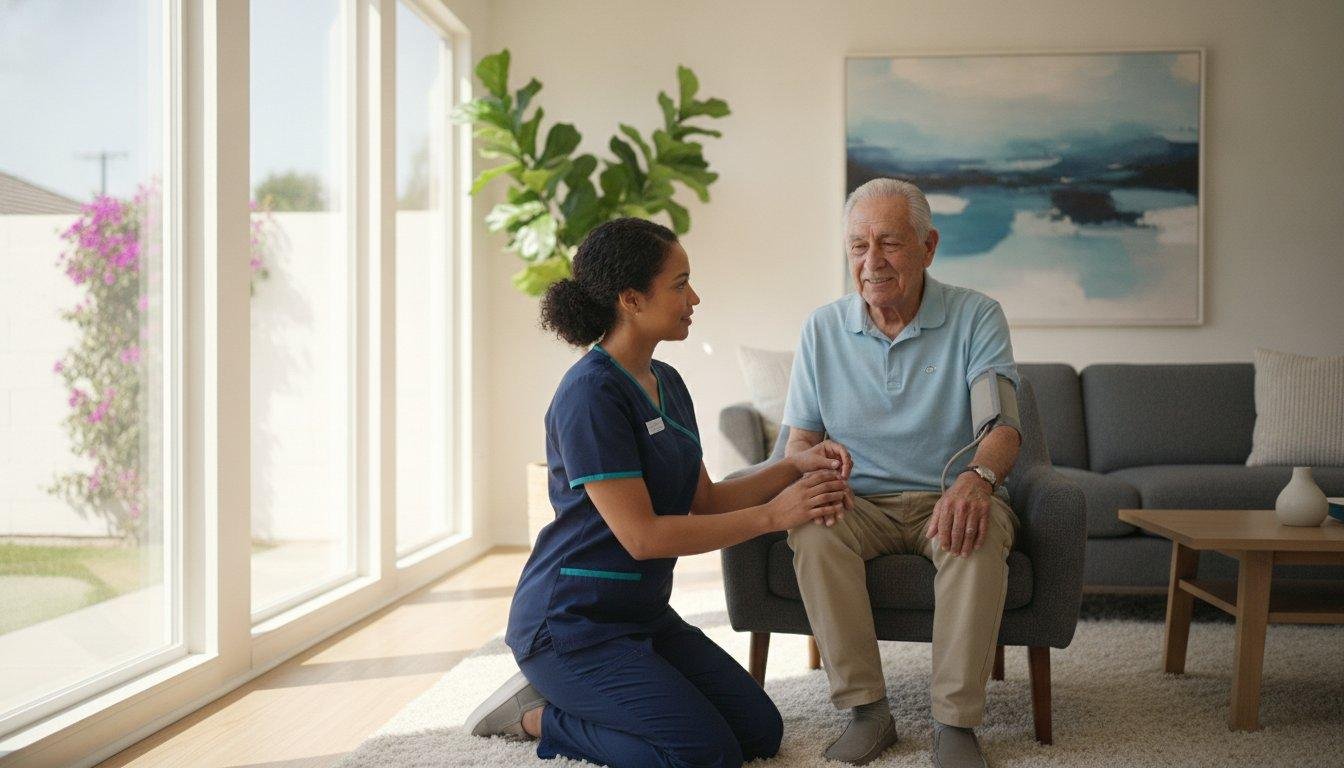
The day of hospital discharge often brings a mix of relief and profound anxiety. While the prospect of returning home is welcome, the sudden absence of 24-hour medical monitoring can leave families feeling vulnerable and uncertain. It’s natural to worry about managing complex physician orders or identifying the early signs of a complication without a nurse nearby. This is why professional clinical home care services are designed to act as a medical bridge, ensuring that the transition from a clinical facility to your living room is both safe and highly structured.
You shouldn’t have to choose between the safety of a hospital and the comfort of your own home. This guide will help you understand the specific clinical protocols and specialist roles, such as the distinct functions of physical and occupational therapists, that define professional in-home support. We’ll provide a clear roadmap for your recovery journey, offering the details you need to feel confident in the safety of home-based care. You’ll learn how a dedicated clinical team maintains rigorous medical standards while prioritizing your dignity, health outcomes, and long-term independence.
Key Takeaways
- Distinguish between physician-ordered clinical home care services and non-medical personal care to ensure your recovery plan meets necessary medical standards.
- Understand the collaborative roles of skilled nurses, physical therapists, and occupational therapists in delivering a unified approach to patient rehabilitation.
- Identify the standardized clinical protocols designed to manage the critical 30-day window following hospital discharge, which is essential for preventing medical complications.
- Learn how Medical Social Workers and personal care assistants integrate into the clinical ecosystem to address the social and practical factors influencing health.
- Gain a practical framework for evaluating home health agencies in Los Angeles, including how to verify mandatory California Department of Public Health licensure.
What is Clinical Home Care? Defining the Medical Standard
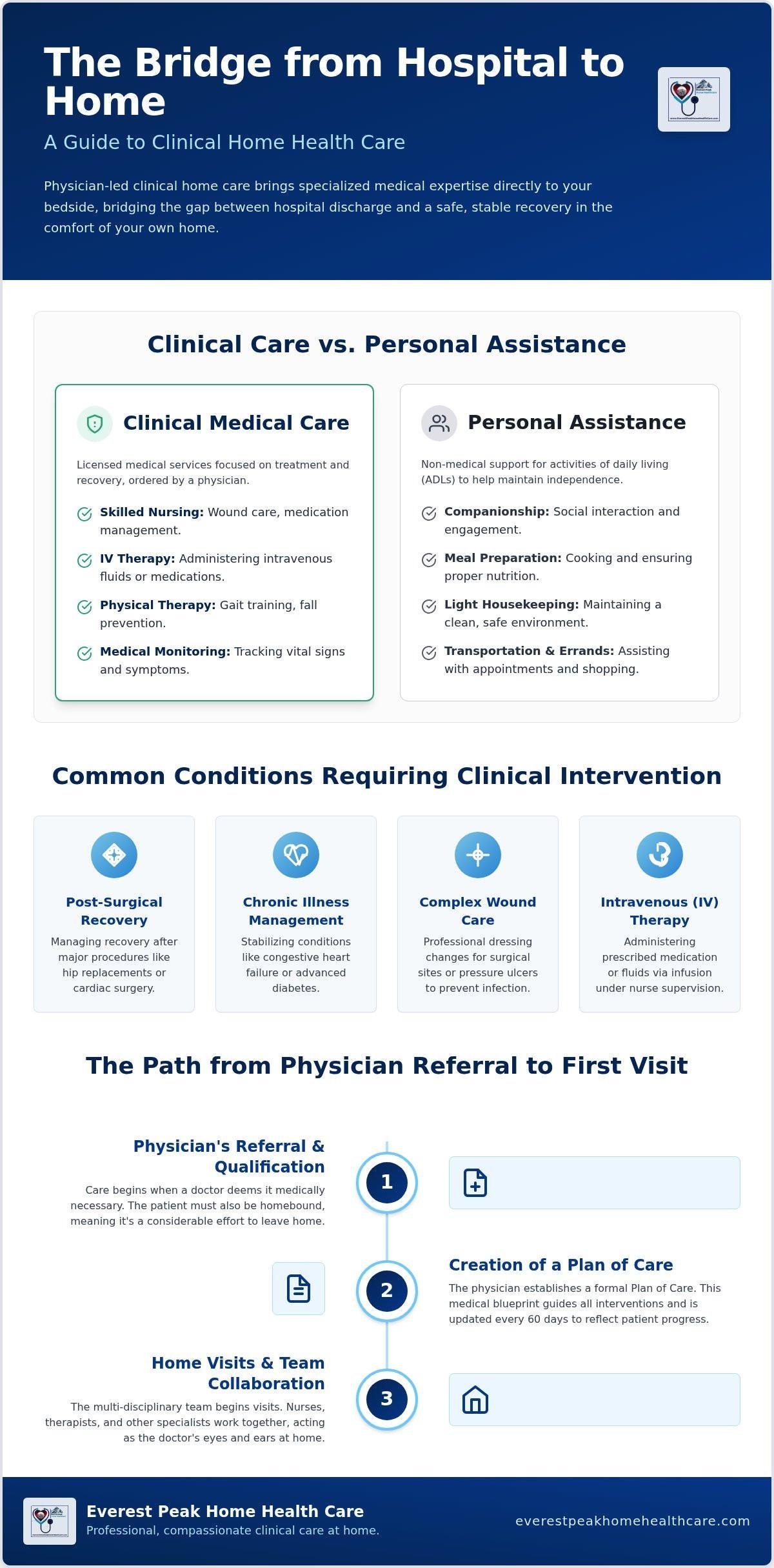
Clinical home care services represent a high tier of medical support delivered directly within a patient’s residence. Unlike general assistance with daily activities, these services are strictly physician-ordered and medically supervised. When asking What is Home Care?, it’s vital to distinguish between clinical home health and non-medical personal care. Clinical care involves skilled interventions such as wound management, medication administration, and specialized therapies. Non-medical care, by contrast, focuses on companion services, meal preparation, and light housekeeping. This distinction is critical because clinical support is designed to treat an injury or illness, helping patients regain their independence while reducing the risk of hospital readmission.
To qualify for this level of professional support, a patient must meet specific criteria for medical necessity. Most insurance providers require the patient to be “homebound,” meaning that leaving the home requires a considerable and taxing effort. This doesn’t mean the patient is bedridden; rather, it indicates that their medical condition makes travel difficult without the help of a device or another person. By meeting these requirements, patients gain access to a structured environment that’s been proven to improve long-term recovery outcomes and overall safety.
The Physician-Led Care Model
The foundation of any clinical intervention is a formal physician’s order. This document serves as the blueprint for the home health agency, which is responsible for executing a specific plan of care. The agency doesn’t work in isolation. Instead, it maintains constant communication protocols with your primary doctor or surgeon. This ensures that every adjustment in therapy or medication is reviewed by a medical professional who understands your full health history. It’s a disciplined approach that prioritizes patient safety and clinical accuracy above all else.
Who Benefits from Clinical Home Services?
Several groups find significant value in this medical model. Patients transitioning from a hospital after major surgery require professional wound care and monitoring to prevent infections. Additionally, individuals managing chronic conditions like Congestive Heart Failure or COPD benefit from regular clinical assessments that can identify subtle changes in their health before they become emergencies. Seniors experiencing a sudden decline in functional mobility also find that clinical home care services provide a safer path to recovery than navigating a facility environment alone.
The Multi-Disciplinary Team: Specialized Roles in Clinical Care
Effective recovery at home depends on a coordinated effort between various medical professionals. Professional clinical home care services utilize a multi-disciplinary team to address both the clinical needs and the functional limitations of a patient. This collaborative model ensures that every aspect of a medical diagnosis is managed by a specialist with the appropriate licensure and training. By customizing the team to the individual’s specific health challenges, agencies provide a level of oversight that mirrors the rigor of a hospital setting. This integrated approach allows for a seamless flow of information, ensuring that physical progress and medical stability are monitored in tandem.
Skilled Nursing and Medical Assessments
Registered Nurses (RN) and Licensed Vocational Nurses (LVN) serve as the primary clinical leads within the home environment. Their role involves complex tasks such as managing surgical wounds to prevent infection and monitoring vital signs to detect early physiological changes. These practitioners also oversee medication management, ensuring that all prescriptions are administered correctly to avoid adverse drug interactions. Beyond technical tasks, nurses provide essential education to family members, empowering them to understand disease management and home safety. This high level of clinical oversight is a hallmark of Medicare-covered home health services, which prioritize skilled medical intervention over basic custodial care. Their presence provides a sense of stability, allowing families to focus on the emotional aspects of recovery while the medical details are handled with precision.
Rehabilitative Therapists: PT, OT, and Speech
While nursing focuses on medical stability, rehabilitative therapists concentrate on the restoration of physical and cognitive function. Physical Therapy (PT) addresses gross motor skills, specifically focusing on gait training and balance to reduce the risk of falls during the recovery process. Occupational Therapy (OT) helps patients adapt their home environment and refine the fine motor skills required for activities of daily living, such as dressing or grooming. Speech Therapy provides specialized support for cognitive-communication goals and swallowing disorders, which are often critical for patients recovering from neurological events. Each discipline works toward a specific outcome, helping the patient return to their highest possible level of independence. When you partner with a provider that offers comprehensive skilled nursing care and diverse therapy options, you ensure that every facet of the recovery journey is addressed by a licensed professional. This structured support system transforms the home into a high-functioning environment for healing.
Clinical Protocols for Post-Operative and Chronic Recovery
The first 30 days following a hospital discharge represent a high-risk period where the likelihood of medical complications is at its peak. Standardized clinical protocols are essential during this window to stabilize the patient and ensure a successful transition to the home environment. Professional clinical home care services provide a structured framework for managing this recovery phase through evidence-based pathways tailored to the patient’s specific surgical procedure or chronic condition. By following a disciplined schedule of assessments and interventions, clinical teams can identify subtle physiological changes before they escalate into emergencies.
Clinical priorities during the initial recovery phase center on infection prevention and precise pain management. Skilled nurses conduct regular site inspections for surgical patients, ensuring that incisions remain clean and sutures are intact. This level of medical oversight is combined with pharmacological coordination to manage pain levels, which is necessary for the patient to participate in rehabilitative exercises. National resources such as MedlinePlus offer a broader perspective on the various categories of Home Care Services, emphasizing that clinical support is a distinct medical grade of care designed to accelerate functional independence. Unlike facility-based care, home-based therapy allows patients to practice mobility within their actual living space, which often leads to faster and more sustainable recovery outcomes.
Orthopedic Recovery: Hip and Knee Replacements
Recovery from joint replacement surgery requires an immediate and rigorous physical therapy protocol. Clinical teams focus on several key areas to ensure the longevity of the surgical outcome:
- Mobilization: Physical therapists initiate gait training within the first 48 hours at home to improve joint mobility and prevent stiffness.
- Wound Management: Skilled nurses monitor the surgical site for signs of infection, managing dressing changes and suture removal as prescribed by the surgeon.
- Safety Modifications: The team performs a comprehensive home assessment to identify fall risks, recommending the removal of trip hazards and the installation of temporary assistive devices.
Neurological and Stroke Rehabilitation
For patients recovering from a stroke or other neurological events, the clinical focus shifts toward neuro-muscular re-education and cognitive support. This process is highly personalized and typically involves multiple therapeutic disciplines. Physical therapists work on restoring balance and gross motor function, while occupational therapists help the patient regain autonomy in personal care tasks through adaptive techniques. If the patient experiences post-stroke aphasia or dysphagia, speech-language pathologists are integrated into the team to address communication barriers and ensure safe swallowing. This multi-faceted approach ensures that the patient’s neurological recovery is supported from every clinical angle, maximizing the potential for long-term independence.
Medical Social Services and Personal Care Integration
A successful recovery involves more than just clinical procedures; it requires a stable environment that supports the patient’s psychological and social well-being. Professional clinical home care services integrate medical social services and personal care assistance to address the “social determinants of health” that often hinder progress. When a patient’s living situation is disorganized or their emotional health is neglected, their physical recovery can stall. By combining medical treatments with daily living support, agencies create a synergy that ensures the patient remains safe, clean, and mentally prepared to meet their rehabilitative goals. This holistic approach prevents the isolation and stress that often follow a hospital discharge.
Navigating Resources with Medical Social Workers
Medical Social Workers (MSW) are essential members of the clinical ecosystem who act as advocates and guides for the family. Their role extends beyond simple administrative tasks; they provide clinical counseling to help patients cope with the emotional impact of a new diagnosis or a loss of independence. MSWs assist families in navigating the complexities of healthcare documentation and insurance requirements, which reduces the administrative burden on caregivers. Additionally, they connect patients with community resources for long-term care planning, ensuring that the support system remains robust even after the initial clinical episode concludes. Their expertise allows the family to focus on the patient’s health while the social and financial logistics are managed professionally.
Personal Care Assistance: Supporting Clinical Dignity
While skilled nurses focus on medical interventions, personal care assistants and home health aides address the practical needs that maintain a patient’s dignity and safety. Assisting with bathing, dressing, and grooming isn’t merely a matter of comfort; these tasks are vital for preventing secondary infections and skin breakdown. Aides serve as the daily “eyes and ears” for the nursing team, monitoring the patient’s status and identifying subtle changes in appetite or mood that might indicate a larger medical issue. By maintaining a clean and safe environment, these professionals facilitate a healing atmosphere that complements the work of the rehabilitative therapists. If you’re seeking a team that integrates these essential social and personal supports into a medical plan, learn more about our medical social services today.
The integration of these roles ensures that no aspect of the patient’s care is overlooked. When personal care and social support are aligned with clinical protocols, the result is a more resilient recovery process. This comprehensive model allows patients to remain in their own homes longer while receiving a level of care that prioritizes both their medical safety and their human dignity. It’s this balance of professional empathy and clinical rigor that defines high-quality home-based medical support.
Selecting a Clinical Home Care Provider in Los Angeles
Choosing the right partner for clinical home care services in a sprawling metropolitan area like Los Angeles requires careful due diligence. The geographic reality of the San Fernando Valley means that the proximity of your provider directly impacts the timeliness of nurse and therapist visits. When evaluating an agency in North Hollywood, it’s essential to ask about their specific emergency response protocols and their ability to maintain a consistent schedule despite local traffic challenges. A reliable provider acts as a professional extension of your family’s care circle, offering a sense of stability during what is often a stressful health transition. You should prioritize agencies that demonstrate a deep understanding of local healthcare networks and hospital discharge patterns.
Families should prepare a specific set of inquiries when interviewing prospective agencies. It’s vital to ask how the clinical team coordinates with your primary physician and what specific certifications the visiting staff hold. In addition to medical qualifications, inquire about the agency’s communication rhythm. You need to know how often you’ll receive updates and who your primary point of contact will be if a medical concern arises after hours. This level of transparency is what distinguishes an authoritative expert from a generic service provider.
Quality Standards and Certifications
In California, all agencies providing skilled medical support must be licensed by the California Department of Public Health (CDPH). This mandatory requirement ensures that the agency adheres to strict state regulations regarding staff training, background checks, and patient safety. Beyond basic licensing, you should look for Medicare-certified agencies, as this designation indicates a commitment to federal quality standards and rigorous clinical oversight. Evaluating an agency’s history of patient outcomes, specifically their 30-day hospital readmission rates, provides a concrete metric of their clinical excellence. A high-functioning agency will offer a multi-disciplinary team, including nurses, therapists, and social workers, under a single umbrella to ensure seamless communication and coordinated care.
The Everest Peak Approach to Professional Empathy
Everest Peak Home Health Care is dedicated to providing a high level of medical authority balanced with quiet compassion for residents throughout the San Fernando Valley. Our approach is grounded in clinical rigor and a serious commitment to patient well-being, ensuring that every individual receives a customized care plan tailored to their specific recovery needs. We understand the challenges of transitioning from a hospital to a home in North Hollywood, and we prioritize the preservation of patient autonomy and dignity throughout the process. To see how our team can support your recovery journey, you can learn more about our Skilled Nursing services. Our clinicians act as knowledgeable guides, offering a structured and disciplined path through the complexities of home-based medical care while maintaining the steady, reassuring support your family deserves.
Securing Your Path to Recovery at Home
Transitioning from a clinical facility to the home environment is a significant milestone that requires disciplined medical oversight. You now understand how physician-ordered clinical home care services bridge the gap between hospital discharge and long-term independence through standardized protocols and specialized therapy. By integrating skilled nursing with rehabilitative support and medical social services, you create a stable foundation for healing that prioritizes both medical safety and personal dignity.
Navigating these complex transitions doesn’t have to be overwhelming when you have a dependable partner. Our team provides comprehensive multi-disciplinary care plans led by licensed Registered Nurses and specialized therapists. We’re committed to serving North Hollywood and the Greater Los Angeles area with professional empathy and clinical rigor. Contact Everest Peak Home Health Care for a Clinical Consultation to discuss your specific recovery goals. It’s possible to achieve professional medical outcomes while remaining in the comfort and privacy of your own residence.
Frequently Asked Questions
What exactly are clinical home care services?
Clinical home care services consist of physician-ordered medical treatments provided by licensed healthcare professionals within a patient’s residence. This model of care is distinct from non-medical assistance because it focuses on skilled interventions like wound management, medication administration, and rehabilitative therapies. It’s designed to treat a specific illness or injury, helping patients regain their independence through a structured, medically supervised recovery plan.
How do I know if I am eligible for clinical home health care?
Eligibility is determined by two primary factors: medical necessity and homebound status. A patient’s physician must certify that skilled nursing or therapy is required to treat their condition. Additionally, the patient must be “homebound,” which means that leaving the residence requires a considerable and taxing effort. This doesn’t require a patient to be bedridden, but it does indicate that their condition makes travel difficult without assistance or a device.
Does clinical home care require a doctor’s referral?
Yes, a formal doctor’s order is the essential foundation for receiving these services. The physician identifies the patient’s specific medical needs and creates a comprehensive plan of care. The home health agency then executes this plan, maintaining regular communication with the doctor to report progress or adjust treatments. This ensures that every clinical intervention is aligned with the patient’s broader medical history and recovery goals.
What is the difference between a home health aide and a skilled nurse?
The primary difference lies in the level of medical intervention and licensure required for their roles. Skilled nurses are Registered Nurses or Licensed Vocational Nurses who perform complex medical tasks, such as managing surgical wounds or administering injections. Home health aides provide personal care assistance, focusing on activities like bathing and grooming. While aides support clinical dignity, they don’t perform the specialized medical assessments that a nurse provides.
How long do clinical home care services typically last?
The duration of care depends entirely on the patient’s specific medical diagnosis and their progress toward recovery goals. Some patients only require support for a few weeks following a surgical procedure, while others with chronic conditions may need longer-term monitoring. Under Medicare guidelines, a patient’s need for care is typically re-evaluated every 60 days to determine if continued skilled intervention remains medically necessary.
Can I receive physical therapy and nursing at the same time?
Yes, many patients benefit from a multi-disciplinary approach where nursing and therapy are delivered concurrently. This is common during the first 30 days after a hospital discharge, as the nurse stabilizes the patient’s medical status while the physical therapist works on restoring mobility. Coordinating these clinical home care services ensures that the patient’s physiological health and functional independence improve at the same time.
Is clinical home care covered by insurance or Medicare?
Most major insurance plans and Medicare provide coverage for these services when they’re deemed medically necessary by a physician. For the 2026 calendar year, the Centers for Medicare & Medicaid Services has set the 30-day episode payment rate at $2,038.22. This coverage generally includes the full cost of visits from nurses, therapists, and social workers, provided the patient meets the specific eligibility requirements of their policy.
How do clinical home care services prevent hospital readmissions?
These services prevent readmissions by providing professional oversight that catches potential complications before they become emergencies. Skilled nurses monitor vital signs and surgical sites, while therapists ensure the patient is moving safely to prevent falls. By educating the patient on medication adherence and symptom management, the clinical team reduces the likelihood of a relapse that would require a return to the hospital.