
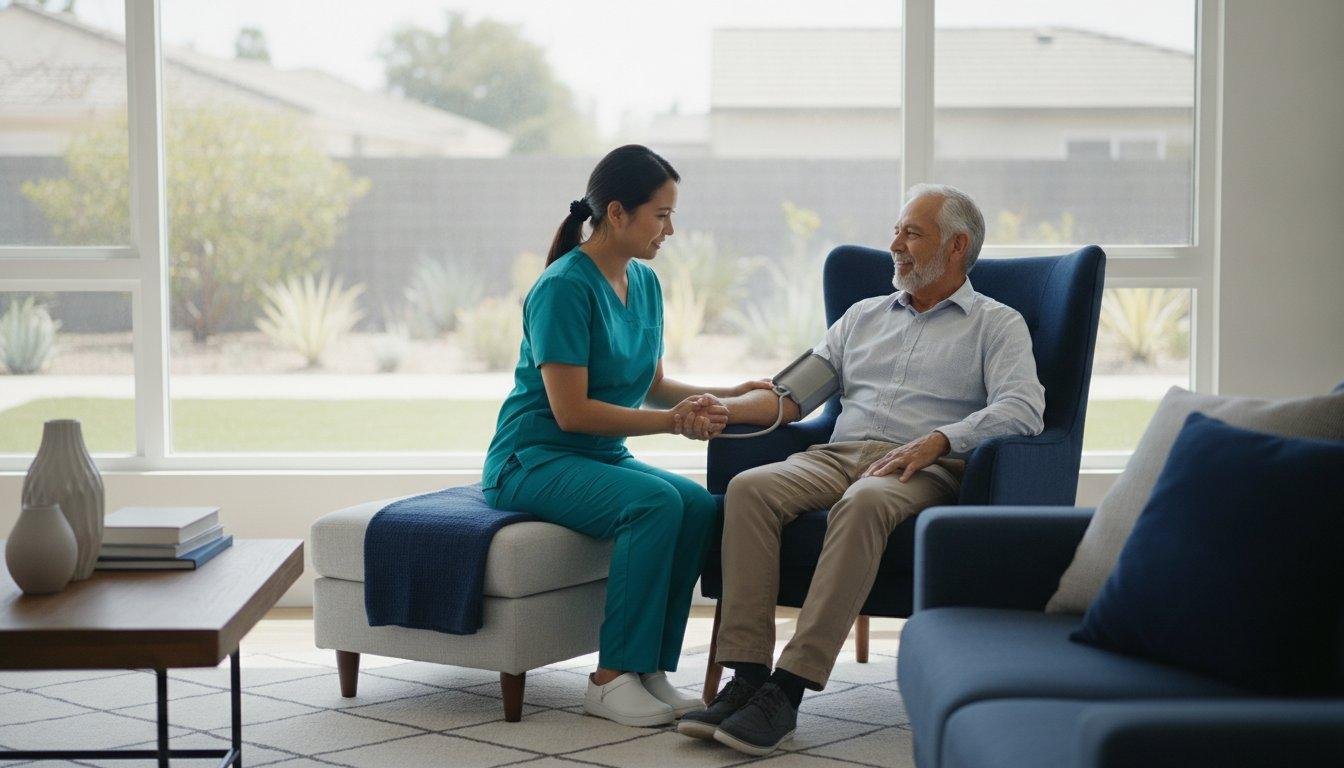
Did you know that nearly 14% of patients in California find themselves back in a hospital bed within just 30 days of their initial discharge? While returning to a familiar environment is a major milestone, it’s common to feel a significant amount of clinical uncertainty regarding post-operative care at home. You likely feel concerned about the complexity of medication schedules or the risk of post-surgical infections. These fears are valid, as the period immediately following a surgical procedure requires more than just rest; it demands a disciplined medical strategy.
Implementing professional support ensures that your recovery remains on a structured path toward wellness. By integrating licensed nursing visits and specialized physical therapy into your daily routine, you create a clinical safety net that prevents avoidable rehospitalizations. This guide will provide a comprehensive look at how medically supervised support facilitates successful wound healing and restores your independence. We’ll examine the specific roles of various clinical specialists and how their expertise helps you navigate the challenges of recovery with quiet confidence and professional stability.
Key Takeaways
- Identify the specific clinical risks present during the first 48 hours after surgery to prevent complications and avoid unnecessary hospital readmissions.
- Discover how a multidisciplinary team approach to post-operative care at home coordinates the expertise of nurses and therapists to support a structured recovery.
- Learn how to prepare a safe residential environment in North Hollywood by implementing a clinical checklist for medical supplies and home modifications.
- Understand the distinct roles of Occupational Therapists and Medical Social Workers in restoring patient autonomy and managing the logistical burdens of recovery.
- Recognize the importance of professional medication reconciliation in ensuring that home supplies align correctly with new hospital prescriptions.
Understanding Post-Operative Care at Home: A Clinical Perspective
Post-operative care is a specialized branch of home health services that transitions a patient from the acute hospital setting to their private residence. It isn’t merely assistance with household chores; instead, it represents a clinical extension of the surgical team. Effective post-operative care involves a coordinated effort to manage the physiological and psychological stressors that follow a major procedure. By bringing hospital-grade monitoring into the home, we ensure that the recovery process remains stable and predictable.
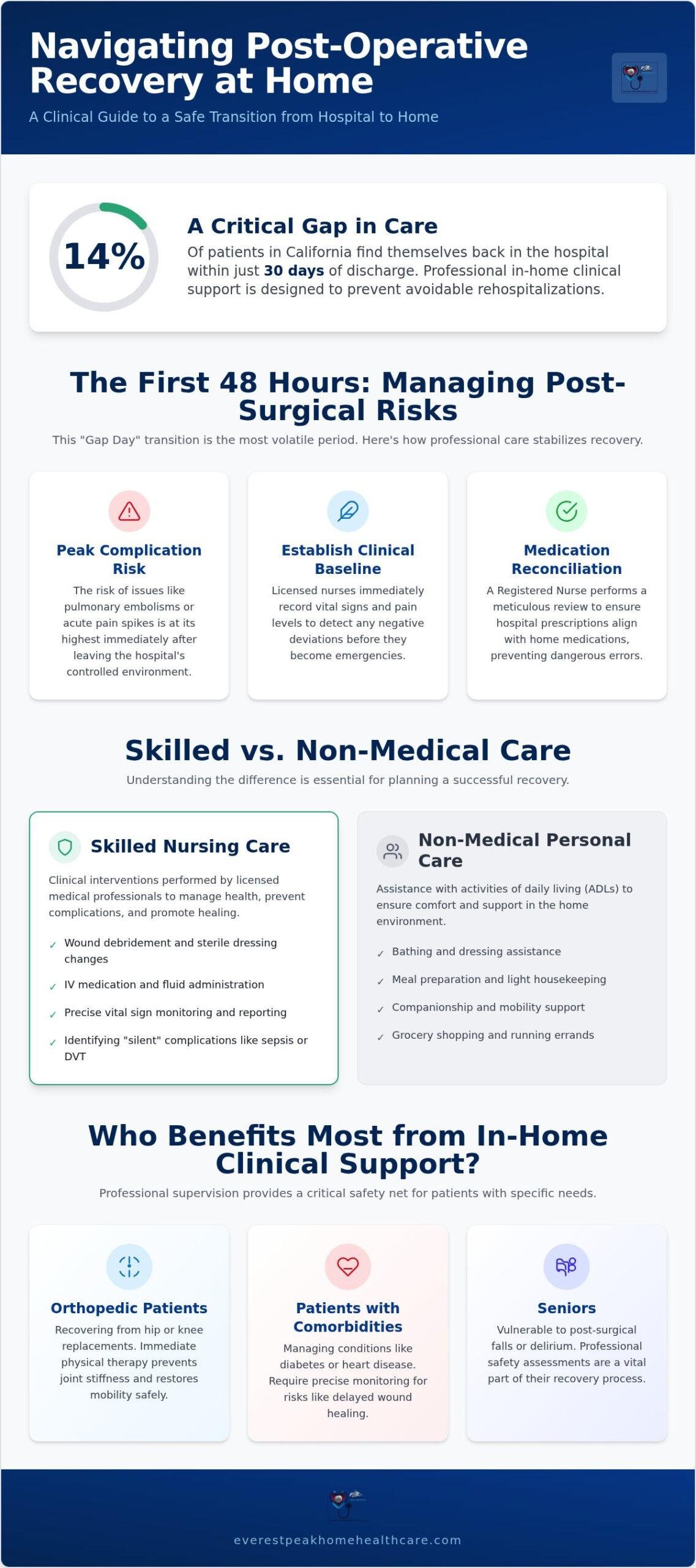
Distinguishing between skilled nursing and non-medical personal care is essential for family planning. Skilled nursing involves specific clinical interventions like wound debridement, IV medication administration, and precise vital sign monitoring. In contrast, personal care assistance focuses on activities of daily living such as bathing, dressing, or meal preparation. While both support the patient, clinical recovery relies heavily on the specialized expertise provided by licensed practitioners. Recovering at home is often superior to remaining in a facility because residential settings offer a lower risk of hospital-acquired infections and provide the psychological comfort necessary to accelerate healing. The primary objectives of post-operative care at home include preventing surgical site infections, implementing effective pain management protocols, and restoring the patient’s independent function.
The Clinical Importance of Professional Supervision
Licensed healthcare professionals possess the training to identify “silent” complications that often go unnoticed by family members. Subtle changes in skin temperature, respiratory rate, or cognitive clarity can signal the onset of deep vein thrombosis or early sepsis before they become life-threatening emergencies. During the first week after surgery, daily medical assessments ensure that the body is responding correctly to the trauma of the operation. Maintaining a sterile environment for wound management is a priority, as it ensures that the surgical incision heals without the interference of environmental pathogens found in non-clinical settings.
Who Benefits Most from In-Home Clinical Support?
Certain patient populations require a higher level of clinical oversight to ensure a safe transition from the hospital to the home. Professional supervision provides a safety net for those with complex medical profiles or high-risk procedures.
- Orthopedic Patients: Individuals recovering from hip or knee replacements benefit from immediate physical therapy to prevent joint stiffness and restore mobility safely.
- Patients with Comorbidities: Those with underlying conditions like diabetes or heart disease face a higher risk of delayed wound healing and require precise metabolic monitoring.
- Seniors: Older adults are particularly vulnerable to post-surgical falls or delirium, making professional safety assessments a vital part of the recovery process.
The First 48 Hours: Managing Risks and Preventing Rehospitalization
The first 48 hours after discharge represent the most volatile period for surgical patients. This “Gap Day” transition involves moving from a highly controlled clinical environment to a residential setting where monitoring is no longer constant. During this window, the physiological stress of surgery remains high and the risk of complications, such as pulmonary embolisms or acute pain spikes, is at its peak. Establishing a clinical baseline for vital signs and pain levels immediately upon arrival is essential for effective post-operative care at home. This baseline allows our licensed nurses to detect deviations that might indicate a developing issue before it requires an emergency room visit.
Central to this period is medication reconciliation. This process involves a meticulous review by a Registered Nurse to ensure that hospital-issued prescriptions align perfectly with the medications already present in the home. Discrepancies during this transition are a leading cause of rehospitalization. We also implement a “Red Flag” system, which provides patients and families with clear, clinical indicators that require immediate professional intervention. This system empowers families to act with confidence rather than reacting with fear during the initial stages of recovery.
Medication Management and Pain Control
Improper dosing or missed schedules after discharge can lead to severe setbacks in recovery. Our nurses educate families on managing complex pain medication protocols, ensuring that the transition from IV to oral analgesics is handled safely. We monitor for adverse reactions to new post-surgical medications, such as respiratory depression or severe gastrointestinal distress. If you’re concerned about managing these protocols, our skilled nursing services provide the professional oversight needed to ensure patient safety.
Wound Care and Infection Prevention
Professional dressing changes are more than just a bandage replacement; they are a critical assessment of the surgical incision. Our clinicians look for early signs of sepsis or localized infection, such as erythema, unusual exudate, or localized heat. We provide detailed instructions on how to keep the surgical site protected during daily hygiene, ensuring that the patient can maintain cleanliness without compromising the integrity of the sutures. This level of professional scrutiny is a vital component of post-operative care at home, helping to keep the 30-day readmission rate for California hospitals, which was 13.8% in 2021, as low as possible for our patients.
The Multidisciplinary Team: Specialized Roles in Post-Surgery Recovery
Success in post-operative care at home depends on the seamless integration of various clinical disciplines. A patient’s recovery isn’t a linear path handled by a single person; it’s a coordinated effort where each specialist builds upon the work of others. For example, while a nurse manages clinical stability, a physical therapist focuses on mobility, and an occupational therapist ensures the residential environment supports daily tasks. This synergy reduces the risk of complications and ensures that no aspect of the patient’s health is overlooked. It’s this collaborative framework that transforms a house into a safe, clinical recovery space.
Beyond physical healing, Medical Social Workers play a pivotal role in the recovery process. They address the emotional and logistical burdens that often accompany major surgery, such as coordinating community resources or assisting with the complex transition of care. Their involvement provides a sense of stability for families navigating stressful health transitions. Every care plan is customized based on the specific type of surgery performed. A patient recovering from a cardiac procedure has different clinical requirements than someone following a total hip replacement. In a typical clinical home health week, you can expect frequent visits during the initial stages, often three to five times per week, which gradually taper as the patient achieves specific recovery milestones.
Skilled Nursing and Clinical Monitoring
The Registered Nurse (RN) acts as the clinical lead, overseeing the entire care plan and ensuring that all therapeutic interventions align with the surgeon’s specific orders. They provide the high-level assessment needed to detect subtle physiological changes before they escalate. Licensed Vocational Nurses (LVNs) support this process by performing routine medical tasks and providing essential patient education on wound management and medication schedules. This nursing team maintains constant coordination with the primary surgeon and hospital discharge planners to ensure a unified approach to post-operative care at home.
Rehabilitative Therapy: PT, OT, and Speech
Physical Therapy is fundamental for restoring gait, balance, and muscular strength, particularly after orthopedic procedures. These specialists design exercise regimens that rebuild function without overstressing the surgical site. Occupational Therapy focuses on adapting the home and teaching patients new ways to perform activities of daily living (ADLs) safely. This might include training on how to use adaptive equipment or modifying kitchen layouts to prevent strain. For patients facing cognitive challenges or swallowing difficulties after surgery, Speech Therapy provides targeted interventions to restore these critical functions. This comprehensive approach ensures that every patient receives the exact level of expertise required for their specific journey toward independence.
Preparing Your Home for a Safe Surgical Transition in North Hollywood
Establishing a clinical environment within a residential setting requires a proactive approach to spatial organization. In North Hollywood and the San Fernando Valley, the unique layout of local homes often includes architectural features like narrow hallways or multi-level flooring that can complicate mobility during the early stages of healing. A critical step in preparing for post-operative care at home involves designating a ground-floor recovery station to eliminate the need for navigating stairs. This area should be stocked with essential medical supplies, such as sterile dressings, skin cleansers, and personal hygiene items, ensuring that the visiting clinical team has everything necessary to begin assessments immediately upon your arrival.
A well-organized recovery space balances medical utility with personal comfort. It’s helpful to clear a wide, unobstructed path between the recovery bed and the nearest exit to facilitate easy movement for both the patient and visiting practitioners. This methodical preparation reduces the stress of the first few days and ensures that the focus remains entirely on maintaining physiological stability and preventing complications.
Environmental Safety and Fall Prevention
Fall prevention is a vital component of post-operative care at home, as mobility is often compromised immediately following surgery. Removing trip hazards like loose electrical cords, decorative rugs, or low-profile furniture is a fundamental safety intervention. We also recommend ensuring that all pathways to the bathroom and kitchen are well-lit with motion-activated nightlights to support safe nighttime mobility. If the home layout permits, installing temporary safety equipment like shower chairs or raised toilet seats provides the patient with the stability needed to maintain hygiene independently. These environmental modifications create a stable foundation for the therapeutic work performed by our visiting clinicians.
Logistics and Support Systems
Coordinating local logistics is essential for maintaining the momentum of your recovery journey. Families should organize reliable transportation for follow-up visits with surgeons in the San Fernando Valley, as driving is often restricted for several weeks post-surgery. While licensed clinicians handle medical tasks, personal care assistants can be integrated to support non-medical needs like light meal preparation or laundry. Maintaining open lines of communication with the Everest Peak Home Health Care team ensures that any environmental challenges are addressed before they impact patient safety. If you’re ready to secure your residential environment for a safe transition, you can schedule a clinical assessment with our North Hollywood specialists today.
Professional Post-Operative Care: The Everest Peak Standard
Everest Peak Home Health Care maintains a commitment to clinical excellence that serves as a benchmark for post-operative care at home in North Hollywood and Greater Los Angeles. Our agency doesn’t just provide visits; we provide a medically supervised bridge that spans the critical distance between hospital discharge and a patient’s full return to independence. By operating as a locally owned entity, we bring a deep understanding of the North Hollywood community and the specific healthcare resources available within the San Fernando Valley. This local expertise allows us to respond with the agility and precision required for complex post-surgical cases, ensuring that patients receive the highest standard of professional oversight in their own residences.
Our role is to act as a professional extension of the surgical team, providing the same level of clinical rigor found in a hospital setting while maintaining the comfort of the home environment. This approach is grounded in reliability and a serious commitment to patient well-being, designed to instill confidence in families who are navigating stressful health transitions. By focusing on clinical excellence, we help reduce the psychological and physical strain that often follows major medical procedures.
A Patient-Centered Approach to Recovery
Recovery is a deeply personal process that requires a customized clinical strategy. At Everest Peak Home Health Care, we develop care plans that are specifically tailored to the individual’s surgical outcomes and personal health history. This customized approach to post-operative care at home ensures that clinical interventions, such as specialized wound management or targeted occupational therapy, directly contribute to the patient’s long-term quality of life. We prioritize the preservation of independence and the dignity of the individual throughout every stage of the process. Maintaining continuous communication with both family members and the primary surgical team ensures that the care provided is always aligned with the latest medical requirements, creating a lexicon of specialized support for every patient.
Starting Your Recovery Journey with Everest Peak Home Health Care
Initiating professional support is a structured process designed to provide immediate stability. The first step involves a comprehensive clinical home health assessment, where a licensed professional evaluates the patient’s medical needs and the safety of the home environment. We understand that navigating the administrative side of healthcare can be a significant burden during a crisis. Our team assists in managing the necessary paperwork and verifying insurance requirements for skilled nursing and rehabilitative services, which allows the family to focus entirely on the patient’s healing. This thorough intake process ensures that no detail of the patient’s care is overlooked before the first clinical visit begins. If you’re preparing for an upcoming procedure or have recently been discharged, you can Contact Everest Peak for Post-Operative Care in North Hollywood to begin your structured path to recovery.
Securing a Structured Path to Full Recovery
Navigating the transition from a surgical facility to your own residence requires more than just rest; it demands a disciplined medical strategy. By implementing a coordinated care plan, you ensure that every physiological change is monitored and every therapeutic goal is met. Professional post-operative care at home transforms the recovery period into a predictable path toward wellness, prioritizing your autonomy and long-term health. This comprehensive approach ensures that you aren’t just recovering, but rebuilding the strength needed for a safe return to your daily life.
At Everest Peak Home Health Care, our team of Licensed Registered Nurses and specialized therapists provides the stability required for this transition. We serve families throughout the San Fernando Valley and Los Angeles with a commitment to clinical excellence and professional empathy. Our focus remains on creating a protective circle of care that honors your dignity while restoring your function. You don’t have to navigate the complexities of surgical recovery in isolation.
Schedule a Professional Post-Operative Assessment with Everest Peak Home Health Care to secure your journey toward health and independence.
Frequently Asked Questions
What is the difference between home health care and home care after surgery?
Home health care provides skilled clinical interventions from licensed professionals, while home care focuses on non-medical personal assistance. In the context of post-operative care at home, home health includes services like wound management, medication reconciliation, and physical therapy. Home care typically involves help with meal preparation, laundry, and light housekeeping. Clinical stability depends on the medical expertise provided by a licensed home health agency.
How soon after surgery should home health visits begin?
Clinical home health visits should ideally commence within 24 to 48 hours of your hospital discharge. This timeframe is vital because the initial two days are the most volatile for surgical patients. Early intervention allows a Registered Nurse to establish a clinical baseline and ensure that your home medication supply matches your new hospital prescriptions, which helps prevent complications before they require emergency care.
Does insurance typically cover post-operative skilled nursing at home?
Most insurance plans, including Medicare and many private providers, cover skilled nursing when it’s medically necessary and ordered by a physician. Coverage generally applies to specific clinical needs such as wound care, physical therapy, or speech therapy. We recommend contacting your insurance provider or our intake team to verify the specific requirements and authorization process of your policy before your scheduled surgery date.
What should I do if I notice redness or swelling at the incision site?
You should notify your clinical team or surgeon immediately if you observe localized redness, unusual swelling, or heat at the incision. These symptoms can be early indicators of a surgical site infection or localized inflammation that requires prompt medical attention. Rapid clinical assessment is necessary to determine if a change in your treatment plan or a new prescription is required to ensure safe healing.
Can physical therapy be done at home after a knee or hip replacement?
Physical therapy is a standard and highly effective service provided during post-operative care at home for orthopedic recovery. Specialized therapists visit your residence to implement exercise regimens that restore gait, balance, and joint strength. This allows you to perform essential rehabilitative work in a comfortable setting while avoiding the physical strain of traveling to an outpatient clinic during the early stages of your recovery.
How long does professional post-operative care usually last?
Professional care typically lasts between three to six weeks, depending on the complexity of the surgery and your individual healing rate. Visits are most frequent during the first 14 days and gradually taper off as you achieve specific recovery milestones. The goal is to provide clinical oversight until you regain the ability to perform daily tasks independently and safely without professional supervision.
What information should I provide to the home health agency before discharge?
Provide the agency with your hospital discharge summary, a complete medication list, and your surgeon’s contact details. It’s also helpful to share information about your home layout, such as the presence of stairs or narrow doorways. This data allows the clinical team to conduct a thorough pre-admission review and ensure all necessary medical supplies are ready for your first clinical visit.