
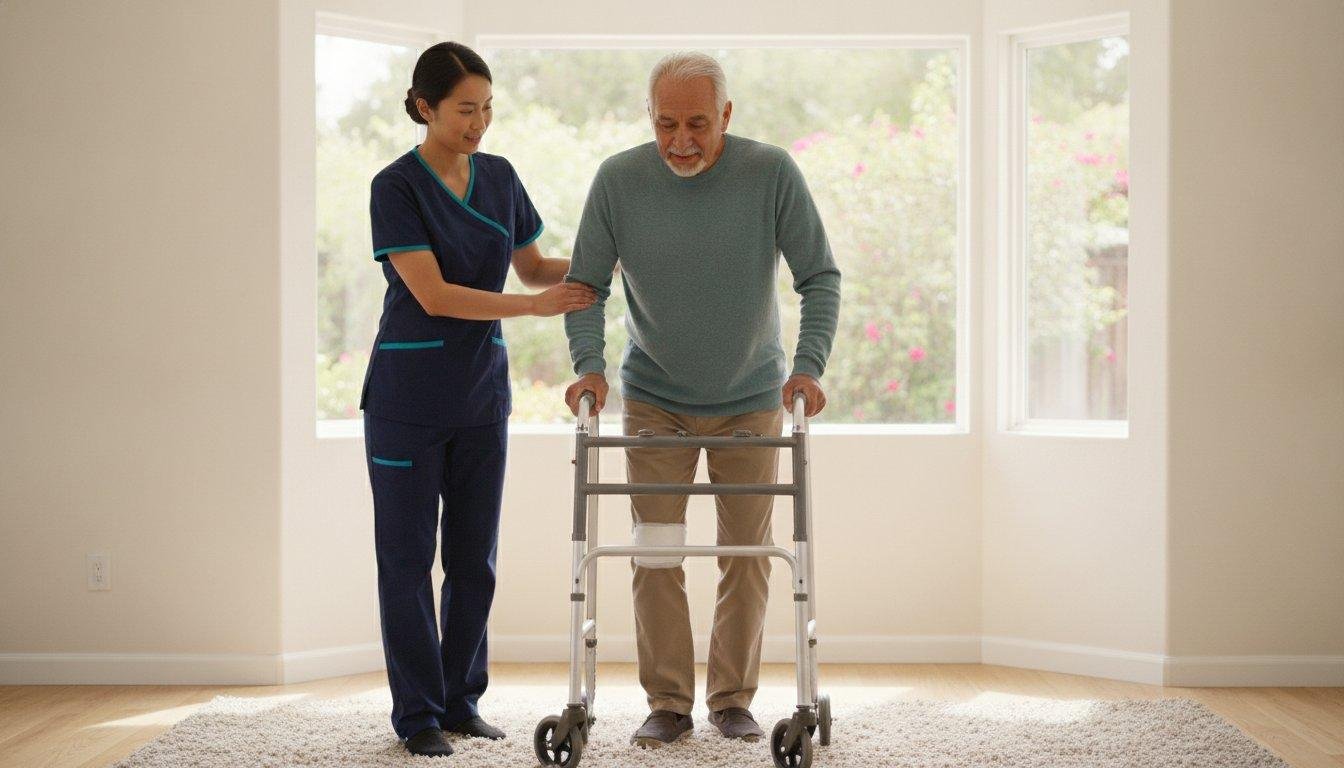
What if the ultimate success of your new joint depends less on the precision of the surgeon’s blade and more on the first seven days spent in your own hallway? With the average hospital stay for a total knee replacement now lasting only one day, the clinical responsibility shifts rapidly from the surgical suite to your living room. You may feel a valid sense of apprehension regarding your complex medication schedule or the risk of a fall while navigating your home for the first time. It’s a significant transition that requires both physical stamina and a clear medical strategy to ensure the long-term viability of your procedure.
This guide empowers you to master your knee replacement recovery at home by providing professional clinical insights into pain management, wound care, and physical therapy milestones. We’ll explore how a coordinated approach involving skilled nursing and therapeutic interventions can help you overcome the challenges of daily tasks like dressing and bathing. By following this structured roadmap, you’ll gain the confidence needed to achieve a full range of motion and a safe return to independent, pain-free walking. We will preview the essential safety adjustments and specialized exercises that turn a complex medical transition into a predictable path toward your recovery goals.
Key Takeaways
- Identify the clinical priorities of the first 72 hours to ensure physiological stability and proper monitoring of vital signs after anesthesia.
- Understand the role of skilled nursing in managing complex medication schedules and performing professional wound assessments to prevent infection.
- Master your knee replacement recovery at home by following a structured six-week clinical roadmap that transitions you from early bed exercises to independent walking.
- Learn how to mitigate fall risks by establishing a “clear path” policy and utilizing essential equipment such as raised toilet seats and shower chairs.
- Explore the advantages of a multi-disciplinary team, including Physical and Occupational Therapists, to maintain clinical continuity and support your return to daily activities.
The Critical First 72 Hours: Clinical Priorities for Home Recovery
The transition from a controlled hospital environment to a private residence represents a high-risk window for post-surgical patients. While Knee replacement surgery is a standard procedure, the first 72 hours at home are physiologically demanding as the effects of anesthesia diminish and pain levels fluctuate. During this period, clinical monitoring of vital signs is essential to ensure cardiovascular and respiratory stability. Patients in North Hollywood benefit from an immediate professional assessment upon arrival to bridge the gap between acute hospital care and long-term rehabilitation. Vigilance is essential.
A structured approach to knee replacement recovery at home prioritizes safety checks to identify early warning signs of complications like Deep Vein Thrombosis (DVT) or a pulmonary embolism. Nurses look for specific indicators such as localized warmth, redness, or unexplained swelling in the calf. If a patient experiences sudden shortness of breath or chest pain, it requires immediate medical intervention. Consistent clinical observation during these first three days prevents avoidable readmissions and ensures the patient remains on a stable recovery trajectory.
Establishing a Safe Clinical Baseline
A Licensed Registered Nurse (RN) initiates the home care process by performing a comprehensive clinical assessment. This visit includes a meticulous review of hospital discharge orders to ensure that no specific surgeon instructions are overlooked. The nurse assists the family in setting up a medical “command center,” which centralizes medication schedules and icing protocols. This organization reduces the cognitive load on the patient and ensures that pain management remains proactive rather than reactive during the initial recovery phase.
Managing Initial Mobility and Transfer Safety
The first night at home often presents challenges with basic mobility and transfers. Professional guidance is necessary to master safe techniques for getting in and out of bed without straining the surgical site. Therapists provide specific instructions on using walkers or crutches across various floor surfaces, such as transitioning from hardwood to carpet. Weight-bearing as tolerated (WBAT) is a clinical protocol where the patient is permitted to place as much weight on the operative leg as their comfort level and pain tolerance allow. Proper execution of these movements during knee replacement recovery at home builds the foundation for more advanced physical therapy in the coming weeks.
Managing Pain and Wound Care: The Role of Skilled Nursing
Effective knee replacement recovery at home relies heavily on professional wound management and a sophisticated approach to pain control. Skilled nursing visits provide the clinical oversight necessary to perform detailed incision assessments, ensuring the surgical site remains free from infection while progressing toward closure. By implementing a “multimodal” pain management strategy, clinicians use a combination of medications and non-pharmacological interventions to achieve comfort without over-reliance on a single drug class. This level of comprehensive monitoring significantly reduces the likelihood of hospital readmission by identifying minor issues before they escalate into medical emergencies.
Professional medication reconciliation is another vital component of this phase. When a patient returns home, they often have multiple new prescriptions that must be integrated with their existing health regimen. A nurse ensures that blood thinners, analgesics, and other supportive medications are administered correctly and at the appropriate intervals. This systematic approach prevents drug interactions and dosing errors, providing a stable foundation for the physical rehabilitation that follows. Expert oversight allows the patient to focus on healing rather than managing the logistics of a complex medical schedule.
Infection Prevention and Incision Care
Maintaining a sterile environment during dressing changes is a cornerstone of post-operative safety. Licensed nurses follow strict protocols to prevent bacterial contamination, which is critical for long-term joint health. It’s common to see significant bruising around the knee; however, a clinical professional can differentiate this normal inflammatory response from signs of infection, such as purulent drainage or increasing localized heat. Referring to a Knee Replacement Home Recovery Guide can help patients visualize the healing process, but it doesn’t replace the expert eye of a visiting clinician. If symptoms change rapidly, your North Hollywood clinical team serves as the first line of defense, coordinating directly with your surgeon to adjust the care plan.
Medication Management and Education
The pharmacy regimen following surgery is often complex and includes anticoagulants to prevent clots, analgesics for pain, and stool softeners to counteract side effects. Nurses provide essential education to family caregivers, teaching them how to administer medications safely and what side effects to watch for, such as dizziness or nausea. This structured support allows for the early detection of adverse reactions, ensuring the patient remains comfortable and safe throughout the rehabilitative process. If you feel overwhelmed by these clinical requirements, skilled nursing care can provide the professional stability your family needs to navigate this period with confidence.
Rehabilitative Milestones: Physical vs. Occupational Therapy
Successful knee replacement recovery at home requires a dual-track rehabilitative strategy that addresses both the mechanics of the joint and the practicalities of daily life. While Physical Therapy (PT) focuses on the biomechanical restoration of the limb, Occupational Therapy (OT) ensures the patient can safely apply that newfound movement to their specific environment. Professional supervision is essential throughout this process to prevent arthrofibrosis, or “stiffening,” which can occur if exercises are performed incorrectly or inconsistently. Clinicians utilize specialized equipment and manual techniques to reach specific range-of-motion (ROM) goals, ensuring the new joint achieves its full functional potential within the critical six-week healing window. Steady progress requires professional oversight.
Physical Therapy: Restoring Strength and Range of Motion
Physical Therapy follows a methodical clinical roadmap designed to build strength without compromising the surgical site. During weeks one and two, the focus is strictly on quadriceps activation and achieving full knee extension, as a “straight” knee is the foundation for all future mobility. Therapists may employ manual therapy techniques to mobilize the patella and surrounding soft tissues, or they may utilize a Continuous Passive Motion (CPM) machine to facilitate flexion. By weeks three and four, the intervention progresses to balance training and gait correction. These professional adjustments ensure the patient develops a symmetrical walking pattern, which prevents the development of compensatory pain in the hips or lower back. Proper form is vital.
Occupational Therapy: Mastering Activities of Daily Living (ADLs)
Occupational Therapy bridges the gap between clinical exercise and independent living by focusing on Activities of Daily Living (ADLs). OTs provide specialized training on safe bathing and showering techniques, which are often the most daunting tasks for a patient in the first week. They also implement energy conservation methods for navigating high-use areas like the kitchen, allowing patients to prepare meals without excessive physical strain. Training with adaptive equipment, such as reachers, sock aides, and long-handled sponges, allows the individual to maintain their autonomy and dignity while the joint continues to heal. This clinical intervention leads directly to improved quality of life.
By integrating both disciplines, the recovery process becomes a comprehensive transition toward full independence. This multi-disciplinary approach ensures that no aspect of the patient’s lifestyle is overlooked, facilitating a more stable and confident return to their regular routines.
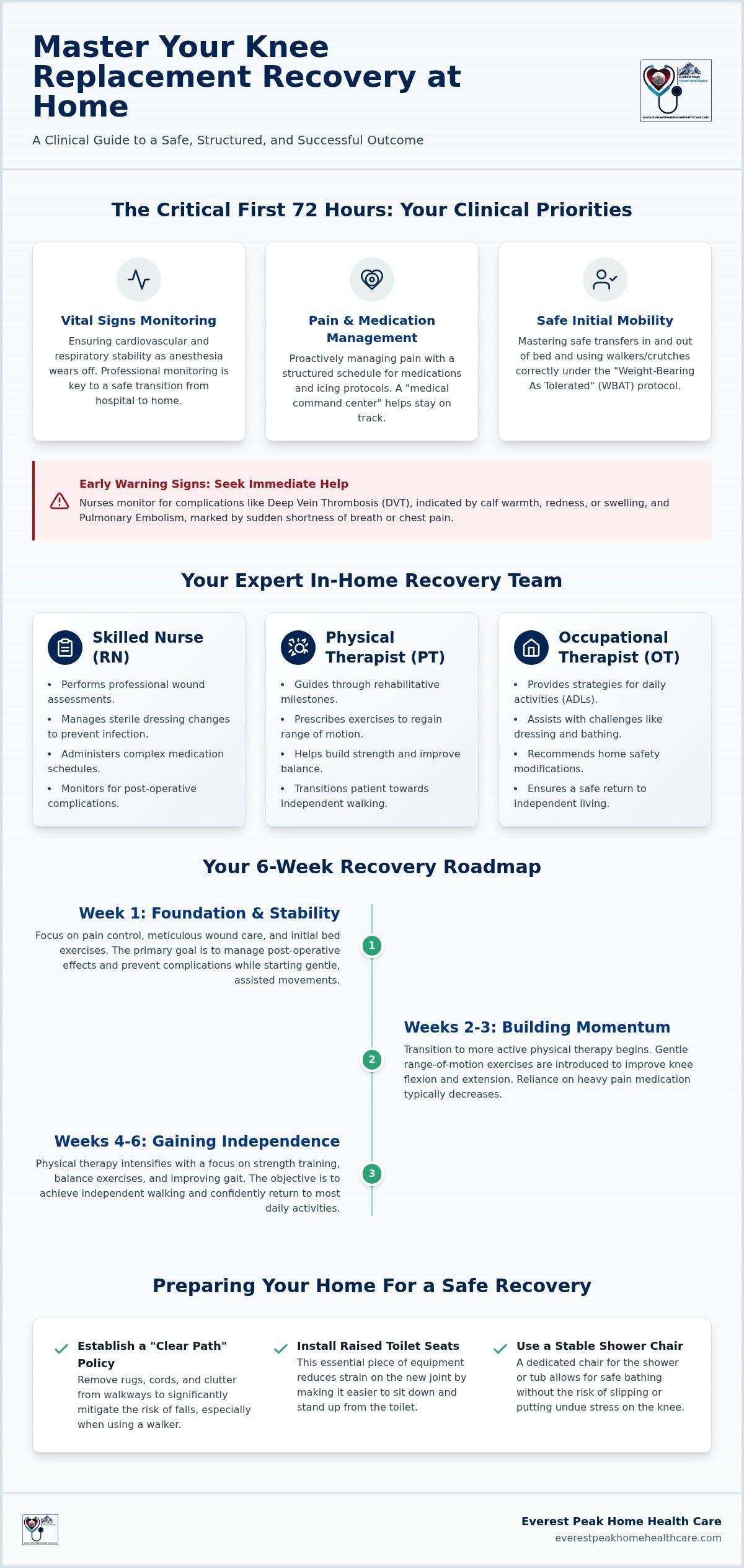
Preparing Your Home for a Safe Recovery Environment
A successful knee replacement recovery at home is often predicated on the physical environment where the healing takes place. While surgical techniques have advanced, the risk of falling during the initial weeks remains a significant clinical concern. Establishing a “Clear Path” policy is essential, particularly in San Fernando Valley homes where layout transitions can create hidden hazards. A Physical Therapist performs a professional home safety audit during the initial visits to identify these risks, ensuring that the patient’s living space supports their mobility goals rather than hindering them. This clinical oversight turns a standard residence into a safe rehabilitative environment.
The Room-by-Room Safety Checklist
A systematic clinical audit focuses on high-traffic areas to minimize the likelihood of injury. In the living room, this involves removing all area rugs and securing loose electrical cords that could snag a walker or crutch. The bathroom requires specific modifications, such as installing temporary grab bars and utilizing non-slip mats in the shower. Essential durable medical equipment, including raised toilet seats and shower chairs, provides the necessary stability for patients who have restricted flexion in the early stages of recovery. In the bedroom, adjusting the bed height and clearing direct pathways to the bathroom ensures safe navigation, especially during the night when visibility is reduced. Adequate lighting in hallways is a non-negotiable requirement for preventing nocturnal falls.
Support Systems and Logistics
Organizing a centralized “recovery station” allows the patient to maintain their medication and hydration schedules without unnecessary movement. This station should include a phone, water, and all prescribed medications within easy reach of a stable chair. To avoid excessive joint strain, the ideal chair height for a post-operative knee patient should allow the hips to remain slightly higher than the knees while the feet rest flat on the floor. Beyond physical adjustments, coordinating logistics like meal preparation and equipment navigation is vital for long-term success. Medical Social Services play a critical role in this phase, acting as a resource for family planning and helping families source the necessary equipment for a safe transition. This comprehensive approach ensures that every aspect of the home environment is optimized for clinical success.
If you’re concerned about the safety of your living environment, you can schedule a post-operative care consultation to have a professional therapist evaluate your home. Taking these proactive steps provides the stability needed for a confident and complication-free knee replacement recovery at home.
Professional In-Home Post-Operative Support in Los Angeles
Transitioning from a high-volume Los Angeles surgical center back to a private residence in North Hollywood requires more than just physical assistance. It demands a structured clinical bridge that ensures the gains made in the operating room aren’t lost during the first few weeks of knee replacement recovery at home. Everest Peak Home Health Care specializes in this transitional window, offering a multi-disciplinary team that operates as a professional extension of the surgical staff. By integrating the expertise of Licensed Registered Nurses, Physical Therapists, and Occupational Therapists, we provide a level of clinical continuity that solo recovery simply cannot match. This team-based approach addresses the physiological, functional, and social aspects of healing simultaneously.
A vital but often overlooked component of this team is the Medical Social Worker. These professionals act as a resource for family planning and help navigate the complexities of sourcing specialized equipment or coordinating long-term support. Their involvement ensures that the family isn’t overwhelmed by the logistical demands of post-operative care, allowing the patient to focus entirely on their rehabilitative milestones. This comprehensive support system is designed to preserve the patient’s independence while maintaining the highest standards of clinical safety throughout the San Fernando Valley.
The Everest Peak Difference in North Hollywood
What distinguishes our service is the commitment to personalized care plans that are strictly aligned with your surgeon’s specific orthopedic protocol. We don’t believe in a one-size-fits-all approach to rehabilitation. Instead, our team maintains coordinated communication with your Los Angeles surgeon, providing regular updates on wound healing, range-of-motion progress, and medication adherence. This direct feedback loop ensures that any deviations from the expected recovery path are identified and corrected immediately. Localized, timely visits from clinicians who understand the specific needs of North Hollywood residents provide a sense of stability during an otherwise stressful health transition. You’re never navigating the complexities of knee replacement recovery at home alone.
How to Start Your Home Recovery Plan
The most effective recovery plans begin well before the surgery date. Early consultation with our team allows for a proactive home safety audit and the establishment of a clinical baseline. We also offer specialized assistance in navigating insurance and Medicare requirements for skilled nursing and therapy services, ensuring that your coverage is maximized for your recovery needs. By organizing these details in advance, you eliminate the administrative stress that often accompanies a hospital discharge. To ensure a safe recovery with Everest Peak Home Health Care, we encourage you to reach out to our intake specialists today. Securing professional oversight is the most reliable way to achieve your goal of a full, pain-free return to independent living.
Securing Your Path to Full Mobility
Mastering your knee replacement recovery at home requires more than just patience; it demands a disciplined clinical strategy. We’ve explored how the first 72 hours serve as a critical safety window where professional monitoring of vital signs and wound sites prevents complications before they arise. By integrating the specialized expertise of Physical and Occupational Therapists, you ensure that every movement contributes to long-term joint stability and a safe return to independent living. These professional interventions turn a challenging medical transition into a predictable journey toward health.
Our licensed clinical team, including Registered Nurses and rehabilitative specialists, provides the structured oversight necessary for a complication-free recovery. We develop comprehensive post-operative care plans tailored to your specific surgical goals, ensuring clinical continuity from the hospital to your front door. Serving families throughout Los Angeles and the San Fernando Valley, we’re dedicated to maintaining your dignity and comfort during this vital transition. You’re not alone in this process; expert guidance is available to help you regain your strength safely.
Contact Everest Peak for Professional Post-Op Care in North Hollywood. Taking this proactive step ensures that you have the clinical support needed to achieve a full range of motion. With the right professional partners, your return to an active, pain-free lifestyle is well within reach.
Frequently Asked Questions
How soon after knee replacement can I start physical therapy at home?
You can typically begin physical therapy at home within 24 to 48 hours after your hospital discharge. Early mobilization is a clinical priority to prevent blood clots and joint stiffness. A Physical Therapist will visit your residence to initiate gentle range-of-motion exercises and ensure you can navigate your environment safely. This immediate start establishes the foundation for your long-term mobility goals while your surgical incision begins its initial healing phase.
Is it normal to have significant swelling and bruising after returning home?
It’s clinically normal to experience moderate to significant swelling and bruising for several weeks following surgery. The inflammatory response is a natural part of the healing process as tissues repair themselves. You can manage these symptoms by adhering to a strict icing schedule and keeping your leg elevated above the level of your heart. If the swelling is accompanied by sudden calf pain or shortness of breath, you must contact your clinical team immediately.
Can I recover from a knee replacement at home without professional help?
Recovering without professional oversight isn’t recommended due to the high risk of complications such as infection, falls, or joint stiffness. Professional knee replacement recovery at home provides the skilled monitoring necessary to identify early warning signs that a layperson might overlook. Licensed clinicians ensure that your medication reconciliation is accurate and that your physical therapy progresses at a safe, effective pace. This structured support preserves your safety and enhances your eventual surgical outcome.
How often will a nurse or therapist visit my home in North Hollywood?
The frequency of visits depends on your specific surgical protocol and clinical needs, but most patients in North Hollywood receive two to three visits per week from each discipline initially. A Registered Nurse may visit more frequently in the first week to monitor wound healing and medication stability. As you gain independence and your strength improves, the frequency of these professional visits typically decreases. This customized schedule ensures you receive appropriate support at every stage.
What are the red flags that mean I should call my home health nurse immediately?
You should contact your clinical team immediately if you observe signs of infection, such as a fever over 101 degrees, increased redness, or purulent drainage from the incision. Other critical red flags include sudden chest pain, shortness of breath, or localized swelling and tenderness in the calf muscle. These symptoms may indicate serious complications like a pulmonary embolism or deep vein thrombosis. Prompt professional assessment is vital to ensure your safety and prevent hospital readmission.
How long does in-home physical therapy typically last after surgery?
In-home physical therapy typically lasts between four and six weeks, depending on your individual progress and functional goals. Once you’ve achieved sufficient strength and can safely navigate your home and community, your therapist will transition you to an outpatient facility for more advanced rehabilitation. This clinical handoff ensures that you continue to improve your range of motion and endurance under professional guidance. The goal is a seamless progression toward full, independent mobility.
Will insurance cover skilled nursing and therapy visits at home?
Most insurance providers, including Medicare, cover skilled nursing and therapy services when they’re deemed medically necessary by your physician. To qualify for this coverage, you must be considered “homebound,” meaning it’s difficult for you to leave your residence for medical appointments during the early recovery phase. Our team assists with insurance navigation to ensure your benefits are utilized effectively. This professional support allows you to focus on your recovery without the stress of administrative uncertainty.
What is the most common mistake patients make during home recovery?
The most common clinical mistake is failing to strike a balance between prescribed exercise and necessary rest. Some patients may skip their physical therapy routines due to discomfort, while others may over-exert themselves and cause unnecessary inflammation. Consistency is the primary driver of success during knee replacement recovery at home. Adhering to the specific limits set by your clinical team ensures that you regain your range of motion without compromising the integrity of the new joint.