
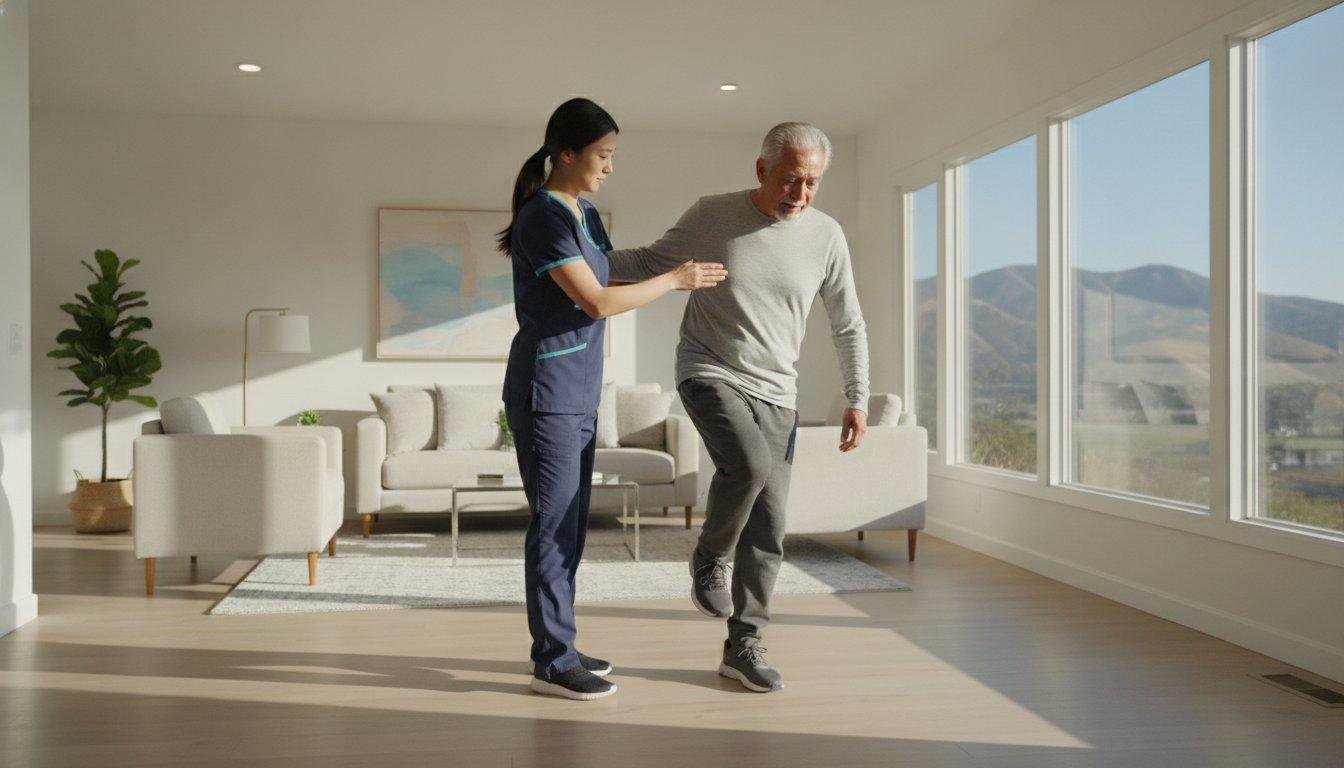
After a major surgery or a significant health event, the simple act of getting into a car for a medical appointment can feel like a dangerous undertaking. You worry about the strain on a healing body and the risk of a fall during the transition from your front door to a clinic waiting room. Securing professional in-home physical therapy San Fernando Valley families can rely on eliminates these logistical hurdles, allowing the focus to remain entirely on clinical progress. It’s a common challenge for families who want to ensure their loved ones receive expert care without the physical toll of frequent travel.
We understand that the transition from a hospital setting to a residential environment often brings a mix of relief and anxiety, especially when navigating complex insurance regulations or the California Direct Access Law. This guide provides a clear path for accessing high-level clinical support within your own living space to restore mobility and preserve independence. You’ll learn how specialized therapists monitor recovery to prevent hospital readmissions and how they adapt therapeutic exercises to the specific layout of your home. We’ll also clarify Medicare coverage requirements and the 2026 therapy thresholds to ensure your recovery journey is both medically sound and administratively transparent.
Key Takeaways
- Understand why professional therapeutic intervention at home is a clinical necessity for achieving optimal recovery and long-term functional independence.
- Explore specialized orthopedic and neurological recovery programs for in-home physical therapy San Fernando Valley patients, which are tailored to your specific post-surgical or post-stroke needs.
- Learn what to expect during a comprehensive initial clinical assessment, including medical history reviews and standardized functional mobility testing.
- Navigate the complexities of insurance by understanding the “homebound” requirement and why a physician’s order is essential to begin your treatment.
- Discover how a multi-disciplinary approach involving various healthcare specialists ensures a structured and safe transition from the hospital back to your home.
Professional In-Home Physical Therapy in the San Fernando Valley: A Clinical Overview
Skilled in-home physical therapy is a specialized clinical intervention prescribed by a physician to address functional limitations following an acute medical event. It’s much more than a convenience; it’s a medical necessity for patients who can’t safely travel to an outpatient facility. For residents seeking in-home physical therapy San Fernando Valley, this service provides a structured path to recovery that mirrors the rigor of a traditional clinic while remaining within the patient’s private residence. To understand the full scope of these services, one might ask, What is Physical Therapy? Fundamentally, it’s a healthcare profession focused on remediating impairments and promoting mobility through evidence-based movement science.
A critical distinction exists between clinical home health physical therapy and general personal care assistance. While personal care assistants help with non-medical tasks like meal preparation or hygiene, licensed physical therapists implement a strategic plan of care designed to restore physiological function. In 2026, the industry has shifted toward value-based care, where success is measured by tangible functional outcomes. This professional monitoring is vital for San Fernando Valley residents, as it significantly reduces the risk of hospital readmission. Therapists identify early warning signs of complications, such as surgical site infections or declining cardiovascular stability, and report these findings directly to the patient’s medical team.
The Advantages of Rehabilitative Therapy at Home
One of the most immediate benefits is the elimination of the physical stress and logistical burden of travel. Navigating the traffic of the San Fernando Valley can be exhausting for a healthy individual; for a patient recovering from a hip replacement or a stroke, it’s often prohibitive. By receiving care at home, the patient conserves their energy for the actual therapeutic exercises. Additionally, therapy in a residential setting allows for the real-world application of movements. Therapists train patients on their own furniture, stairs, and bathroom fixtures, ensuring that every exercise translates directly into safer daily living.
- Customized Environmental Assessment: Licensed therapists evaluate the home for hazards like loose rugs or poor lighting that could cause a fall.
- Focused One-on-One Attention: Patients receive the undivided expertise of a clinician without the distractions or noise of a crowded gym.
- Direct Caregiver Integration: Family members can observe sessions and learn how to assist with exercises safely between professional visits.
Meeting Professional Standards in a Residential Setting
Clinical excellence is never compromised by the setting. Home-based programs adhere to protocols equivalent to those found in inpatient rehabilitation facilities. Our therapists use portable clinical equipment, including resistance bands, specialized weights, and electronic monitoring tools, to ensure the recovery process is data-driven and precise. This methodical approach involves continuous communication between the physical therapist, the primary physician, and home health nurses. This collaborative framework ensures that the patient’s recovery is comprehensive, addressing both physical strength and overall medical stability throughout the healing process.
Specialized Rehabilitative Programs for Diverse Patient Needs
Clinical recovery is not a uniform process. Each patient presents a unique set of physiological challenges that require a targeted therapeutic approach. Professional in-home physical therapy San Fernando Valley providers offer specialized programs that translate complex medical protocols into actionable recovery steps within a residential setting. These programs are designed to address specific diagnostic categories, ensuring that the intervention matches the patient’s clinical needs, whether they’re recovering from a major surgery or managing a chronic neurological condition.
Orthopedic and Post-Surgical Recovery
Post-surgical home physical therapy serves as the critical bridge between hospital discharge and the achievement of full functional independence. For individuals recovering from total hip, knee, or shoulder replacements, the immediate post-operative phase is a delicate period where movement must be carefully balanced with healing. Therapists focus on progressive range-of-motion exercises to restore joint mechanics while strictly monitoring the surgical site for signs of adverse reactions. Early mobilization is a cornerstone of this care, as it helps prevent dangerous post-operative complications like deep vein thrombosis (DVT) or pulmonary embolisms. Patients often find that receiving specialized post-operative care in their own homes allows them to practice mobility on the very surfaces they use daily, such as their bed or favorite chair. Those undergoing joint procedures can benefit significantly from dedicated home health care for knee replacement, which provides the clinical oversight and personalized therapy plan needed to navigate the most critical weeks of recovery safely.
Neurological and Stroke Rehabilitation
Stroke recovery requires a sophisticated understanding of neuroplasticity and motor control. These customized protocols focus on helping the brain relearn how to communicate with the body, often through repetitive, task-specific training. Therapists develop adaptive strategies that allow patients to navigate their homes safely despite hemiparesis or significant balance deficits. This rehabilitative work is frequently part of a broader multi-disciplinary effort, where physical therapists coordinate closely with occupational and speech therapists to address every facet of the patient’s recovery. When families begin this journey, Navigating Eligibility and Insurance is often the first step in ensuring these vital clinical services are accessible and sustainable for the duration of the recovery period.
Beyond these primary categories, specialized care extends to cardiopulmonary therapy and balance training. Cardiopulmonary interventions focus on improving endurance and respiratory efficiency for patients with heart or lung conditions. For older adults experiencing age-related mobility decline, physical therapy for seniors at home provides the stability needed to prevent falls and maintain autonomy. Pain management is woven into each of these disciplines, using manual techniques and therapeutic exercise to alleviate discomfort and reduce the need for long-term medication. This comprehensive approach ensures that no aspect of the patient’s physical well-being is overlooked during the recovery process.
The Clinical Assessment Process: What to Expect During Your Initial Visit
The transition from an acute care facility to the home environment is a pivotal moment in the recovery process. The first clinical visit is a rigorous medical evaluation designed to bridge this gap, ensuring that the patient’s return to their residence is both safe and productive. When initiating in-home physical therapy San Fernando Valley patients receive a comprehensive assessment that serves as the foundation for their entire rehabilitative journey. This initial session is not merely a consultation; it’s a deep dive into the patient’s physiological status, medical history, and specific environmental needs.
Establishing a customized Plan of Care (POC) is the primary outcome of this visit. The licensed therapist collaborates with the patient and their family to set measurable goals focused on Activities of Daily Living (ADLs). These goals often include the ability to move from a bed to a chair independently, navigating the kitchen safely, or performing personal hygiene tasks without the fear of a fall. By anchoring the recovery plan in these practical milestones, the clinician ensures that every therapeutic intervention leads directly to restored autonomy and a higher quality of life.
Evaluating the Patient’s Physical Baseline
During the physical examination, the therapist utilizes standardized functional testing to record a baseline for muscle strength, joint flexibility, and cardiovascular response to activity. This objective data allows the clinical team to track progress with precision over the following weeks. A detailed gait analysis is performed to identify subtle imbalances or compensations that could increase the risk of injury during ambulation. Additionally, the clinician performs a cognitive screening to ensure the patient can follow multi-step exercise instructions, which is a vital component of therapy compliance and overall safety during the healing process.
Home Safety and Environmental Assessment
A unique advantage of receiving care in a residential setting is the ability to perform a real-time environmental safety audit. The therapist identifies specific hazards that are often overlooked, such as loose area rugs, inadequate lighting in hallways, or the absence of grab bars in high-risk areas. While the therapist does not provide the equipment itself, they offer professional recommendations for necessary durable medical equipment to support a safe recovery environment. This proactive approach identifies potential risks before they lead to an injury or a hospital readmission.
Family involvement is also prioritized during this initial assessment. The clinician provides direct training to family members or caregivers on safe transfer techniques and the proper use of assistive devices. This education empowers the family to act as a protective extension of the care circle, ensuring the patient remains stable and supported between professional therapy sessions. Families who need additional daily support between visits often benefit from integrating personal care assistance North Hollywood services alongside skilled therapy to maintain safety and continuity of care. This methodical approach ensures that no aspect of the patient’s safety or recovery potential is overlooked.
Navigating Eligibility and Insurance for Home-Based Therapy
Navigating the administrative requirements for rehabilitative care can feel overwhelming during an already stressful health transition. Accessing the professional in-home physical therapy San Fernando Valley residents need begins with a formal physician’s order. This document serves as the clinical justification for skilled services, ensuring that the therapy provided is medically necessary and integrated into the patient’s broader recovery strategy. While private insurance and Medicare Advantage plans have varying authorization processes, they generally follow the foundational guidelines established by federal standards for home health care.
Medical social workers play a unique role in this process by assisting families with the complexities of financial and community resources. They help resolve confusion regarding insurance coverage and can identify additional support systems within the local area to ensure a stable recovery environment. This multi-disciplinary approach ensures that the focus remains on the patient’s physical improvement rather than administrative hurdles. If you’re unsure about your specific eligibility or need assistance coordinating with your medical team, you can contact our clinical intake department for guidance on initiating your plan of care.
Medicare and Clinical Necessity
Medicare coverage for home-based therapy is contingent upon the patient meeting specific “homebound” criteria. This status does not require a patient to be bedridden; rather, it signifies that leaving the home requires a considerable and taxing effort. For services to be covered, they must be “skilled,” meaning they require the unique expertise of a licensed therapist to be performed safely and effectively. In the 2026 regulatory environment, documentation of clinical progress is essential for continued authorization. For the 2026 calendar year, the Medicare threshold for physical therapy and speech therapy combined is $2,480. If a patient’s clinical needs require services exceeding this amount, the therapist must use the KX modifier to affirm that continued treatment remains medically necessary.
Coordination with Primary Care Physicians
The physical therapist acts as a vital clinical extension of the primary care physician’s office. They provide data-driven updates on the patient’s functional status, allowing the doctor to make informed decisions about the overall medical strategy. This coordination is essential for renewing therapy certifications, which ensures that all interventions remain aligned with the patient’s evolving health needs. By providing the physician with objective measurements of strength and mobility, the therapist ensures the medical team has a clear view of the patient’s progress within their actual living environment. This steady flow of information is a hallmark of high-quality in-home physical therapy San Fernando Valley families can trust for professional recovery.
Everest Peak Home Health Care: Clinical Excellence in the SFV
At Everest Peak Home Health Care, we view our role as more than just a service provider; we’re a clinical partner in your family’s recovery circle. Our approach to in-home physical therapy San Fernando Valley families can rely on is built on a foundation of professional empathy and a serious commitment to patient well-being. We understand that recovery is a vulnerable time, and we prioritize the dignity and comfort of every individual we serve. By maintaining a high level of medical authority while offering steady support, we help patients reclaim their independence in a stable, observant environment.
Our “service-to-outcome” framework ensures that every clinical intervention leads to a measurable improvement in functional mobility. We don’t just deliver a list of exercises; we implement a structured recovery plan that is data-driven and focused on long-term results. This methodical approach allows us to track progress with precision, ensuring that no aspect of the patient’s care is overlooked. It’s this dedication to clinical excellence that helps prevent hospital readmissions and provides families with the peace of mind they need during stressful health transitions.
A Multi-Disciplinary Approach to Recovery
One of the primary advantages of our agency is the integration of diverse medical expertise. We provide a multi-disciplinary team that includes Registered Nurses (RNs) and Medical Social Workers (MSWs) to support our physical therapists. This collaboration is essential for complex medical cases where physical rehabilitation must be balanced with skilled nursing care and emotional support. For example, while a therapist focuses on gait training, a nurse can monitor cardiovascular stability and wound healing. Our team projects a quiet confidence, acting as knowledgeable guides who help families navigate the complexities of home-based care with clarity and professional rigor.
- Occupational Therapy Integration: Our specialists help patients master daily household tasks, ensuring they can safely use their kitchen and bathroom.
- Skilled Nursing Coordination: RNs provide clinical monitoring that complements the physical recovery process for patients with chronic conditions.
- Medical Social Services: MSWs assist with the administrative and emotional challenges of long-term recovery, identifying vital community resources.
Serving the San Fernando Valley and Beyond
With our localized presence in North Hollywood, we possess a deep understanding of the diverse communities within the San Fernando Valley and the broader Los Angeles area. We’re committed to providing reliable, unhurried care that respects the sanctity of the residential setting. Our clinicians arrive prepared with the necessary portable equipment to deliver hospital-grade therapy in your living room. Families who are ready to initiate professional support can Contact Everest Peak Home Health Care to schedule a clinical assessment and begin the journey toward restored mobility and independence.
Advancing Toward Restored Independence at Home
Professional recovery is a structured journey that begins with a comprehensive medical evaluation within your own residence. By choosing in-home physical therapy San Fernando Valley families ensure their loved ones receive expert clinical monitoring and evidence-based interventions without the exhaustion of frequent travel. This approach doesn’t just manage symptoms; it builds a foundation for long-term mobility by applying therapeutic exercises directly to the physical layout of your specific living environment. A customized plan of care ensures that every movement translates into a practical gain in functional autonomy.
Our multi-disciplinary team, featuring licensed Registered Nurses and specialized therapists, is dedicated to maintaining the highest standards of clinical excellence across every discipline. We serve North Hollywood and the greater Los Angeles area with a focus on patient dignity and measurable physiological outcomes. Whether you’re navigating post-operative orthopedic care or stroke rehabilitation, a structured clinical framework provides the stability needed for a safe, successful transition from hospital to home. You don’t have to navigate these health challenges alone.
To begin this process, you can Schedule a Professional Clinical Assessment with Everest Peak to receive one of our comprehensive clinical home health assessments. We’re here to provide the steady support and clinical expertise your family deserves during this important phase of healing.
Frequently Asked Questions
Is in-home physical therapy as effective as going to a clinic?
Yes, home-based therapeutic intervention is highly effective because it allows for functional training within the patient’s actual living environment. Clinical research suggests that outcomes for residential therapy are often comparable to outpatient clinics, particularly for orthopedic and post-surgical recovery. The one-on-one attention from a licensed clinician ensures that exercises are performed with precision, focusing entirely on the patient’s unique physiological needs without the distractions of a crowded facility.
What are the requirements to qualify for home-based physical therapy in California?
To qualify for covered services, a patient must generally be considered “homebound,” which means that leaving the residence requires a considerable and taxing effort. Additionally, the services must be deemed “skilled” and medically necessary by a physician. While California law allows for limited direct access to therapists, most insurance providers still require a signed physician’s plan of care to authorize reimbursement for ongoing clinical treatment.
Does Medicare cover physical therapy visits at home in the San Fernando Valley?
Medicare Part B covers 80% of the cost for medically necessary in-home physical therapy San Fernando Valley services once the annual deductible is met. There’s currently no hard cap on the amount Medicare will pay for these services, provided they’re documented as medically necessary by the therapist. For the 2026 calendar year, the combined threshold for physical and speech therapy is $2,480 before a specific clinical modifier is required.
How often will a physical therapist visit my home each week?
The frequency of visits is determined by the patient’s specific medical needs and the physician’s formal orders. Most rehabilitative plans for acute recovery involve two to three visits per week during the initial phase. As the patient gains strength and functional independence, the clinician may adjust the frequency. The clinical team continuously evaluates progress to ensure the schedule remains aligned with the patient’s evolving functional status and recovery goals.
What kind of equipment do I need to have at home for physical therapy?
Patients don’t typically need to purchase specialized gym equipment for their sessions. Licensed therapists provide portable clinical tools, such as resistance bands, weights, and electronic monitoring devices, to facilitate recovery. The clinician also utilizes existing household features, like sturdy chairs or stairs, to perform functional exercises. This approach ensures that the patient can safely continue their prescribed movements independently between professional visits using items they already own.
Can physical therapy help prevent falls for elderly patients living alone?
Fall prevention is a primary focus of geriatric in-home physical therapy San Fernando Valley programs. Therapists perform a detailed gait analysis and balance assessment to identify specific instability risks within the home. By strengthening core muscles and improving coordination, the clinician helps the patient navigate their environment with greater confidence. They also identify environmental hazards, such as inadequate lighting or loose rugs, that could lead to a serious injury. Families concerned about fall risk for an aging loved one can learn more about how physical therapy for seniors at home addresses these specific mobility and balance challenges through a structured clinical approach.
What is the difference between a physical therapist and a personal care assistant?
A physical therapist is a licensed medical professional who implements clinical plans to restore physiological function and mobility. In contrast, a personal care assistant provides non-medical support for daily tasks, such as meal preparation or basic hygiene. While both roles support a patient’s well-being, the physical therapist’s interventions are strictly clinical. They focus on measurable outcomes like improving joint range of motion, muscle strength, and cardiovascular endurance during recovery. For families seeking structured daily support that complements skilled therapy, professional personal care assistance North Hollywood services can fill this essential non-medical role during the recovery period.
How do I get a referral for home-based physical therapy?
You can obtain a referral by discussing your mobility challenges or post-operative needs with your primary care physician or a surgical specialist. The doctor will evaluate your medical status and issue a formal order for skilled home health services if they’re deemed medically necessary. Once this order is received, the clinical team can begin the initial assessment process. It’s helpful to ensure your doctor understands the taxing effort required for you to travel to a clinic.