
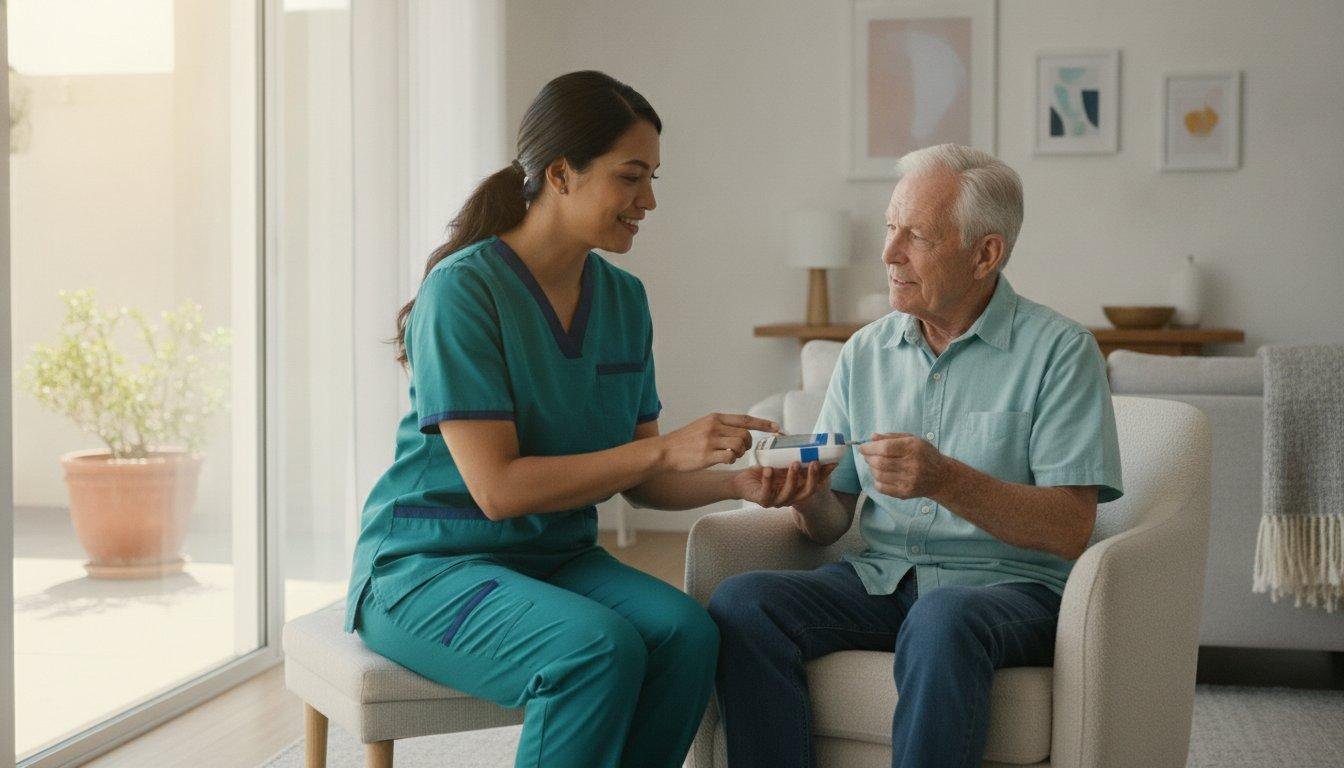
Imagine the relief of knowing a licensed nurse is precisely calculating every insulin dose and monitoring every subtle skin change right in your own living room. For many families, in-home nursing care for diabetes management Los Angeles provides the clinical safety net needed to bridge the gap between a physician’s orders and the daily reality of chronic illness. This professional presence ensures that medical protocols are followed with precision, reducing the margin for error that often leads to health crises.
You’re likely familiar with the exhaustion that comes from tracking unpredictable blood sugar spikes or the persistent fear that a small foot blister might escalate into a serious infection. Managing multiple medications while transitioning from a hospital to a home environment is a heavy burden for any family to carry alone. It’s natural to feel overwhelmed by the technical requirements of modern diabetic care.
This guide explains how professional skilled nursing stabilizes glucose levels and prevents the cycle of avoidable hospital readmissions. We’ll examine the importance of regular clinical assessments, specialized wound monitoring, and the educational support that transforms overwhelmed families into confident caregivers. By the end of this article, you’ll understand how a structured clinical approach at home creates a path toward stability and long-term wellness.
Key Takeaways
- Understand how professional in-home nursing care for diabetes management Los Angeles serves as a clinical safety net to ensure accurate insulin dosing and prevent dangerous blood sugar spikes.
- Learn how skilled nurses conduct thorough medication reviews to eliminate polypharmacy risks and maintain stable glucose levels through professional trend analysis.
- Discover the importance of specialized wound care and physical therapy in managing diabetic neuropathy and preventing the progression of foot ulcers.
- Recognize why the initial 48-hour transition from hospital to home is the most critical period for establishing long-term health stability and avoiding readmission.
- See how a multidisciplinary approach from a North Hollywood-based agency provides residents with the clinical expertise needed to manage chronic conditions with dignity.
Understanding the Role of Skilled Nursing in Diabetes Management
Effective diabetes management at home requires a sophisticated understanding of how medications, dietary intake, and physical activity interact. It isn’t simply a matter of checking blood sugar levels throughout the day. It involves a clinical analysis of trends and the ability to pivot medical protocols when those trends deviate from the target range. For patients with complex insulin requirements, Skilled Nursing in Diabetes Management is more than a convenience; it’s a clinical necessity that prevents life-threatening complications. Professional intervention ensures that the physician’s care plan is executed with precision in a residential setting.
In-home nursing care for diabetes management Los Angeles involves the deployment of Licensed Vocational Nurses (LVN) or Registered Nurses (RN) who provide specialized medical oversight. These professionals act as a clinical bridge between the doctor’s office and the patient’s home. They don’t just observe; they assess, intervene, and educate. This level of oversight is particularly vital for patients in Los Angeles who are managing multiple chronic conditions simultaneously, as the risk of drug interactions and metabolic instability increases with clinical complexity.
The Difference Between Personal Care and Clinical Nursing
Many families confuse personal care assistance with skilled nursing. While a home health aide provides vital support for activities of daily living like hygiene and meal preparation, they aren’t licensed to perform medical tasks. Clinical in-home nursing care for diabetes management Los Angeles relies on RNs and LVNs who are authorized to manage insulin titration and complex medication regimens. This distinction is critical for patient safety. Having a medical partner ensures that every clinical decision is grounded in professional standards of care, providing families with a level of security that non-medical care cannot offer.
Identifying When In-Home Clinical Support is Necessary
Certain clinical markers indicate when a patient requires professional nursing oversight. Brittle diabetes, characterized by severe and frequent swings in blood glucose levels, demands constant monitoring that often exceeds the capabilities of family members. You should consider clinical support if there’s been a recent change in medication or a new diagnosis that requires intensive education. Early intervention by a nurse often identifies the subtle signs of infection or neuropathy before they escalate into an emergency room visit. This proactive approach focuses on stabilization and the prevention of acute crises.
This professional presence significantly reduces the emotional and physical burden on family caregivers. In high-stress households across Los Angeles, the knowledge that a nurse is overseeing medical protocols provides a sense of stability. It allows family members to focus on supporting their loved one emotionally rather than struggling with the technicalities of clinical care. The result is a more balanced home environment where the patient’s dignity and health are prioritized equally.
Clinical Interventions: How Nurses Stabilize Diabetes at Home
Stabilizing diabetes within a residential setting requires more than basic compliance; it demands a proactive clinical strategy. Professional nurses implement a structured system of interventions designed to manage the complexities of glycemic control. By utilizing in-home nursing care for diabetes management Los Angeles, families benefit from a level of technical precision that prevents the dangerous fluctuations often seen in home-based care. These interventions move beyond simple data collection to include sophisticated trend analysis and real-time adjustments to the care plan based on the patient’s immediate physiological needs.
Advanced Medication Management and Insulin Administration
Medication management serves as the cornerstone of diabetic stability. Nurses conduct regular reviews of all prescriptions to mitigate the risks of polypharmacy, a common concern for patients managing multiple chronic conditions. This process includes the precise administration of insulin, ensuring that dosages are timed correctly relative to meals and activity levels. Professional oversight is particularly vital when introducing new insulin types or adjusting delivery methods. Nurses adhere to the VA/DOD Clinical Practice Guidelines for Diabetes Management to ensure that all interventions meet the highest evidence-based standards. This clinical rigor extends to injection site rotation, which prevents lipohypertrophy and ensures consistent insulin absorption, ultimately improving long-term glycemic stability.
Vital Sign Monitoring and Symptom Recognition
Effective diabetes management cannot occur in isolation from other physiological markers. Skilled nurses monitor vital signs such as blood pressure and heart rate to detect early indicators of cardiovascular stress or autonomic neuropathy. This holistic assessment allows for a comprehensive understanding of the patient’s status. Nurses also provide essential education, training family members to recognize the subtle, early symptoms of hypoglycemia or hyperglycemia. This vigilance transforms the home into a controlled clinical environment, and specialized in-home nursing care for diabetes management Los Angeles significantly reduces the likelihood of acute metabolic crises through early detection.
Nutritional counseling is another vital clinical intervention that bridges the gap between medical orders and daily life. A nurse analyzes the patient’s dietary habits and aligns them with physician-prescribed carbohydrate limits to optimize blood sugar stability. This methodical approach to meal planning ensures that nutritional intake supports, rather than undermines, the medical regimen. For families seeking this level of professional oversight, Everest Peak provides skilled nursing care that prioritizes both clinical excellence and the patient’s comfort. By integrating these specific interventions, professional nursing creates a sustainable path toward health stability for residents across the region.
Beyond Blood Sugar: Comprehensive Care for Diabetic Complications
While stabilizing blood glucose levels is a primary objective, effective in-home nursing care for diabetes management Los Angeles must also address the systemic complications associated with the disease. Chronic hyperglycemia can lead to vascular and nerve damage, requiring a multidisciplinary clinical approach that extends beyond the medicine cabinet. By integrating wound care specialists, physical therapists, and occupational therapists, a home health agency creates a comprehensive defense against the secondary effects of diabetes. This integrated model ensures that no aspect of the patient’s health is overlooked, promoting recovery and preventing the progression of chronic issues.
Specialized In-Home Wound Care for Diabetic Ulcers
Nurses specializing in diabetic care prioritize rigorous skin assessments, particularly for the lower extremities where sensation may be diminished. Diabetic foot ulcers represent a significant clinical risk; if left untreated, they can lead to severe infections or even limb loss. Clinical protocols at home involve the use of specialized dressings and the monitoring of wound bed progression to ensure healing. These interventions are paired with meticulous checks for signs of infection, such as localized warmth, drainage, or foul odor. This specialized oversight ensures that small abrasions don’t escalate into life-altering medical crises, providing a clinical safety net for patients with reduced peripheral circulation.
Multidisciplinary Support: PT and OT for Diabetic Neuropathy
Diabetic neuropathy often results in a loss of protective sensation, which significantly increases the risk of falls and injuries. Physical therapy focuses on improving balance and gait to compensate for this sensory deficit. By strengthening the core and lower body, therapists help patients maintain mobility while minimizing the chance of fractures. Simultaneously, occupational therapy plays a vital role for patients experiencing vision loss or reduced tactile feedback. Therapists adapt the home environment by labeling medications and removing tripping hazards to ensure the patient can perform daily tasks safely. This collaborative effort sustains the patient’s independence and allows them to remain in their own residence for as long as possible.
Managing a chronic condition in a complex healthcare market like Los Angeles involves significant emotional and financial navigation. Medical social workers act as essential guides, connecting families with community resources and helping them understand the logistical requirements of long-term care. This layer of support addresses the administrative and emotional challenges of chronic illness, ensuring that the family’s needs are met alongside the patient’s clinical requirements. This comprehensive approach prioritizes the patient’s autonomy and dignity, creating a stable environment for long-term health management.
Navigating the Transition: From Hospital Discharge to Home Stability
The first 48 hours following a hospital discharge represent the most critical window for a patient’s long-term recovery. During this period, the risk of medication errors and metabolic instability is at its highest, often leading to rapid readmission if clinical oversight is lacking. Professional in-home nursing care for diabetes management Los Angeles provides a necessary bridge, ensuring that the transition from a clinical facility to a residential setting is managed with technical precision. By coordinating directly with discharge planners at Los Angeles hospitals, home health nurses ensure that the patient’s care plan remains uninterrupted and that all medical orders are executed immediately upon arrival at home.
Medication reconciliation is a primary focus during this transitional phase. A skilled nurse conducts a thorough review of the patient’s home pharmacy to ensure it aligns perfectly with new hospital orders. This process eliminates the danger of duplicate dosing or harmful drug interactions, which are common when patients are prescribed new therapeutic regimens. Clinical education during these initial visits focuses on preventing acute crises by teaching the patient and family how to monitor for signs of instability. This proactive approach establishes a foundation of safety that supports physical recovery and long-term health maintenance.
Creating a Safe Home Environment in the San Fernando Valley
A stabilized environment is essential for patients managing diabetic complications like neuropathy or vision loss. Nurses perform comprehensive home safety assessments to identify hazards such as poor lighting or unsecured floor coverings that could lead to falls. In the San Fernando Valley, the local heat factor is a specific clinical concern that families must address. High temperatures can quickly compromise the efficacy of insulin if it isn’t stored correctly. Nurses provide guidance on maintaining appropriate storage temperatures, ensuring that the medication remains potent and the patient’s glycemic levels stay within the target range. Everest Peak offers skilled nursing care that addresses these local environmental challenges to protect patient health.
Education for Patients and Family Caregivers
Empowering families through education is a core component of clinical nursing. Nurses provide professional instruction on the use of complex medical technology, including continuous glucose monitoring (CGM) devices and insulin pumps. By ensuring that both the patient and their caregivers understand how to interpret data and respond to alerts, the nurse reduces the overall stress within the household. Families receive a clear, written action plan for blood sugar emergencies, which provides a structured path for intervention during hypoglycemic or hyperglycemic episodes. This education increases caregiver confidence and ensures that the patient remains safe between nursing visits.
Professional Nursing Care for Chronic Conditions at Everest Peak
Choosing the right partner for in-home nursing care for diabetes management Los Angeles is a decision that directly impacts the daily health and long-term dignity of your loved one. At Everest Peak, our clinical approach is defined by professional rigor and a deep respect for patient autonomy. We believe that medical oversight should feel like a supportive extension of the family circle rather than an clinical intrusion. Our licensed nurses prioritize the stabilization of chronic conditions through methodical assessments and evidence-based interventions, ensuring that every patient receives specialized care in the comfort of their own residence.
Based in North Hollywood, our agency is uniquely positioned to serve residents across the San Fernando Valley with efficiency and local expertise. Our proximity to major regional medical centers allows for rapid coordination during the high-risk transitional periods following a hospital discharge. We understand the specific logistical and environmental factors that affect Los Angeles families, such as navigating complex healthcare resources or managing insulin storage during local heatwaves. This geographic focus ensures that our clinical team is always within reach when stabilization or education is most needed.
A Multidisciplinary Team for Holistic Stability
Health stability is rarely achieved through a single discipline. The Everest Peak standard of care involves a collaborative team of Registered Nurses, Licensed Vocational Nurses, physical therapists, and medical social workers who work under a unified, customized care plan. While a nurse manages insulin titration and wound monitoring, a physical therapist addresses mobility challenges caused by neuropathy to prevent falls. Simultaneously, our medical social workers act as navigators for complex community resources, ensuring that the emotional and financial aspects of chronic care are addressed. This multidisciplinary framework provides a comprehensive support system that manages every facet of the disease.
Getting Started with a Professional Assessment in Los Angeles
The path toward achieving glycemic stability begins with a comprehensive clinical assessment. During the initial home evaluation, our team conducts a thorough review of the patient’s medical history, current medication regimen, and residential safety needs. We don’t operate in a vacuum; our staff coordinates closely with your primary care physician to ensure that our nursing interventions directly execute their specific medical orders. This alignment between home care and physician oversight creates a seamless experience for the patient and provides peace of mind for the family. If you are ready to establish a professional safety net for your loved one, Contact Everest Peak Home Health Care for a consultation to begin the intake process and schedule your initial evaluation.
Securing a Path to Long-Term Diabetic Stability
Managing a chronic condition like diabetes requires a shift from reactive crisis management to proactive clinical oversight. By integrating professional blood sugar monitoring, specialized wound care, and multidisciplinary support, families can significantly reduce the risk of hospital readmissions and long-term complications. Effective in-home nursing care for diabetes management Los Angeles provides the technical expertise and emotional stability needed to maintain health within a residential setting.
Everest Peak Home Health Care is committed to this standard of excellence, offering comprehensive multidisciplinary care plans tailored to the unique needs of our patients. Our staff of licensed RNs and LVNs serves North Hollywood and the Greater Los Angeles area, providing a clinical safety net that prioritizes both safety and dignity. We act as a dependable partner in your health journey, ensuring that no aspect of your recovery is overlooked.
Your family doesn’t have to navigate these medical complexities alone. Request a Professional Home Health Assessment Today to discover how structured clinical support can transform your daily experience. We’re here to provide the steady guidance and professional rigor your loved one deserves for a healthier, more independent future.
Frequently Asked Questions
Is in-home nursing care for diabetes management covered by Medicare in Los Angeles?
Medicare typically covers skilled nursing services when they are deemed medically necessary and the patient meets specific homebound criteria. For coverage to apply, a physician must certify that the patient requires intermittent skilled nursing or therapy services. It’s advisable to verify your specific plan requirements for 2026 to ensure all clinical intake criteria are met before beginning a care program.
How often will a skilled nurse visit my home for diabetes management?
The frequency of nursing visits is determined by the physician’s orders and the patient’s immediate clinical stability. During a transition from a hospital to a residential setting, visits may occur several times per week to ensure medication reconciliation and trend analysis. As the patient stabilizes, the schedule is often adjusted to provide the necessary oversight while supporting the individual’s independence at home.
Can a home health nurse administer insulin shots if my parent cannot do it themselves?
Licensed Registered Nurses and Vocational Nurses are fully authorized to administer insulin injections and manage complex medication regimens. Beyond administration, the nurse focuses on professional education to help the patient or family caregiver eventually master the technique if possible. This intervention ensures that dosages are accurate and timed correctly to prevent dangerous hypoglycemic or hyperglycemic episodes.
What is the primary goal of a diabetes home health care program?
The primary objective of in-home nursing care for diabetes management Los Angeles is to achieve long-term glycemic stability while preventing acute complications. This clinical safety net focuses on avoiding hospital readmissions through meticulous blood sugar monitoring and early detection of issues like infections or ulcers. By providing professional oversight, the program aims to improve the patient’s quality of life and reduce the daily burden on family caregivers.
Does Everest Peak Home Health Care serve all of the San Fernando Valley?
Our agency provides skilled nursing and therapeutic services throughout the greater Los Angeles area, including all neighborhoods within the San Fernando Valley. Being based in North Hollywood allows our clinical team to respond efficiently to families in the surrounding region. This local proximity is particularly beneficial for patients who require frequent monitoring or are transitioning from nearby medical centers.
What happens if a patient’s blood sugar spikes during the nurse’s off-hours?
Home health care is provided on an intermittent basis, so families are equipped with a structured emergency action plan for use between visits. This plan defines specific clinical thresholds and provides clear instructions on when to contact the primary care physician or seek emergency medical services. Nurses prioritize family education during their visits to ensure everyone feels confident responding to fluctuations in glucose levels.
How does skilled nursing differ from a standard home caregiver for diabetics?
Skilled nursing involves licensed medical professionals, such as RNs or LVNs, who perform clinical assessments and execute medical protocols. A standard caregiver provides personal care assistance with daily activities like hygiene or meal preparation but is not authorized to perform medical tasks. For complex cases, in-home nursing care for diabetes management Los Angeles is necessary to manage insulin titration and monitor for systemic complications.
Can a physical therapist help with diabetic neuropathy at home?
Physical therapy is a key component of a multidisciplinary approach to managing diabetic complications. Therapists focus on strengthening exercises and balance training to compensate for the loss of sensation caused by nerve damage. These clinical interventions are designed to improve gait and coordination, which directly reduces the risk of falls and sustains the patient’s mobility within their home.