What if the most critical phase of recovery doesn’t happen within hospital walls, but in the familiar environment of your own living room? For many families, the transition from a clinical setting to the home is a period marked by profound anxiety and the physical strain of managing complex mobility needs. Accessing professional home health care after stroke is often the deciding factor in preventing hospital readmission and ensuring a safe, medically-monitored recovery.
You likely feel the weight of managing complicated medication schedules while fearing the possibility of a secondary event. We understand that your primary goal is to see your loved one regain their autonomy without exhausting your own physical and emotional reserves. This guide explains how skilled nursing, physical therapy, and occupational therapy work together to transform a residence into a professional recovery space. You’ll discover how a structured clinical plan reduces caregiver burnout and provides a clear, expert-led path toward long-term health and stability.
Key Takeaways
- Differentiate between medically-directed clinical visits and non-medical personal assistance to ensure your loved one receives the appropriate level of skilled support.
- Explore how a coordinated team of specialists manages home health care after stroke to bridge the gap between hospital discharge and long-term independence.
- Gain insight into the methodical structure of a clinical recovery visit, which balances medical monitoring with intensive physical and occupational therapy.
- Learn how consistent professional oversight at home helps prevent hospital readmissions by identifying health risks before they become medical emergencies.
- Discover the essential steps for preparing a home environment in the San Fernando Valley to maximize the effectiveness of every professional therapy session.
What is Clinical Home Health Care After a Stroke?
Clinical home health care after stroke represents a specialized, medically-directed intervention designed to address the complex physical and neurological deficits that follow a cerebrovascular event. It’s distinct from custodial care or non-medical assistance; instead, it’s a rigorous clinical program delivered by licensed Registered Nurses (RNs), Licensed Vocational Nurses (LVNs), and specialized therapists. This model effectively brings the expertise of a rehabilitation facility into the patient’s residence. By providing skilled nursing and therapy at home, we ensure that the patient remains in a stable, low-stress environment while receiving the intensive monitoring necessary to prevent secondary complications.
For many families in North Hollywood, this “hospital-at-home” approach is the most effective way to manage the transition from acute care. It requires a high degree of organization and clinical discipline. Professional home health care after stroke isn’t simply about assistance with daily living; it’s about active medical rehabilitation. Each visit is structured to provide a specific clinical outcome, such as improved gait stability or enhanced swallowing safety, which collectively builds toward the patient’s eventual independence.
The Physician-Led Recovery Model
A neurologist or primary care physician must certify the medical necessity for home health services to begin. This ensures that every therapy session and nursing visit remains grounded in medical science. The clinical team works as a direct extension of the doctor, reporting progress and adjusting interventions based on real-time data. The Plan of Care serves as the clinical roadmap for post-stroke independence, detailing the specific frequencies of physical, occupational, and speech therapy needed to reach the patient’s recovery milestones.
Short-Term Clinical Goals vs. Long-Term Support
The first 60 days of the stroke recovery process are often the most critical due to the brain’s heightened neuroplasticity during this window. Clinical goals during this phase focus on immediate stabilization, such as managing blood pressure to prevent recurrence and maintaining skin integrity for patients with limited mobility. As the patient gains strength, the focus shifts toward long-term sustainability. This transition moves the patient from acute medical reliance toward a state where they can safely navigate their community and manage their health with reduced professional oversight.
The Specialized Stroke Recovery Team: Clinical Roles
Effective home health care after stroke relies on a multidisciplinary team rather than a single provider. Because a stroke affects multiple systems within the body, one specialist is rarely enough to manage the full spectrum of recovery. In the San Fernando Valley, this collaborative model is essential for preventing hospital readmissions. Each specialist brings a distinct set of skills that, when combined, create a clinical safety net for the patient. We approach this through “professional empathy,” which involves maintaining medical authority while providing the quiet, steady support families need during a health crisis. The frequency of these professional visits is dictated by the patient’s clinical stability and the intensity of their rehabilitative needs.
Skilled Nursing: RNs and LVNs
Registered Nurses (RNs) take the lead on complex clinical management. They monitor vitals and oversee intricate medication regimens to ensure pharmacological safety and prevent secondary events. Licensed Vocational Nurses (LVNs) provide the consistent, day-to-day clinical observation required for wound care and the prevention of secondary issues like deep vein thrombosis (DVT). This level of oversight is crucial when preparing to go home after a stroke, as it identifies potential medical setbacks before they require emergency intervention.
Rehabilitative Therapists: PT, OT, and ST
Therapeutic intervention is the cornerstone of regaining physical autonomy. The team typically includes three distinct disciplines:
- Physical Therapy (PT): Focuses on neuro-rehabilitative exercises to improve gait and balance, which is vital for patients experiencing hemiparesis or coordination loss.
- Occupational Therapy (OT): Assists patients in re-learning Activities of Daily Living (ADLs) by adapting the home environment to their current physical capabilities.
- Speech Therapy (ST): Essential for treating dysphagia (swallowing disorders) and aphasia (communication deficits), ensuring the patient can safely consume nutrition and express their needs.
Medical Social Services for Families
Medical Social Workers (MSW) serve as the logistical and emotional anchor for the family. They help North Hollywood residents navigate the complexities of the Los Angeles healthcare system and connect them with local support groups and financial resources. This comprehensive approach ensures long-term caregiver sustainability by reducing the administrative burden on family members. If you’re currently coordinating care for a loved one, our team provides the skilled nursing and therapy necessary to support a successful transition. This professional intervention allows the family to focus on their emotional connection while we manage the clinical requirements of the recovery path.
The Anatomy of a Professional Stroke Recovery Visit
A professional clinical visit typically operates within a 45 to 60 minute intervention window. This timeframe allows for a methodical progression from assessment to active therapy without rushing the patient. Because recovery is a delicate process, clinicians maintain an unhurried, dignity-focused approach that respects the patient’s current physical and cognitive limits. A structured approach to home health care after stroke provides the stability families need while ensuring that every minute of the visit contributes to a specific recovery goal. The clinician begins by establishing a baseline of the patient’s current state before progressing into active therapeutic exercises.
Clinical Assessment and Vital Monitoring
The visit starts with a thorough evaluation of blood pressure and heart rate to manage the risk of stroke recurrence. Clinicians perform neurological checks to monitor for subtle changes in speech, vision, or motor control. These evaluations align with the clinical practice guidelines for stroke rehabilitation, which emphasize the importance of continuous physiological monitoring. If the patient recently underwent neurosurgical intervention, the nurse also assesses the surgical site for signs of infection or impaired healing.
Medication Reconciliation and Education
Medication reconciliation involves a thorough review of anticoagulants and blood pressure treatments to ensure safety and compliance. The clinician identifies potential drug interactions and educates the caregiver on identifying “red flag” symptoms or adverse reactions. Professional medication management by a Registered Nurse significantly reduces hospital readmission rates by preventing pharmacological errors at home. This education empowers the family to act as an informed part of the medical team between professional visits.
Evidence-Based Therapeutic Interventions
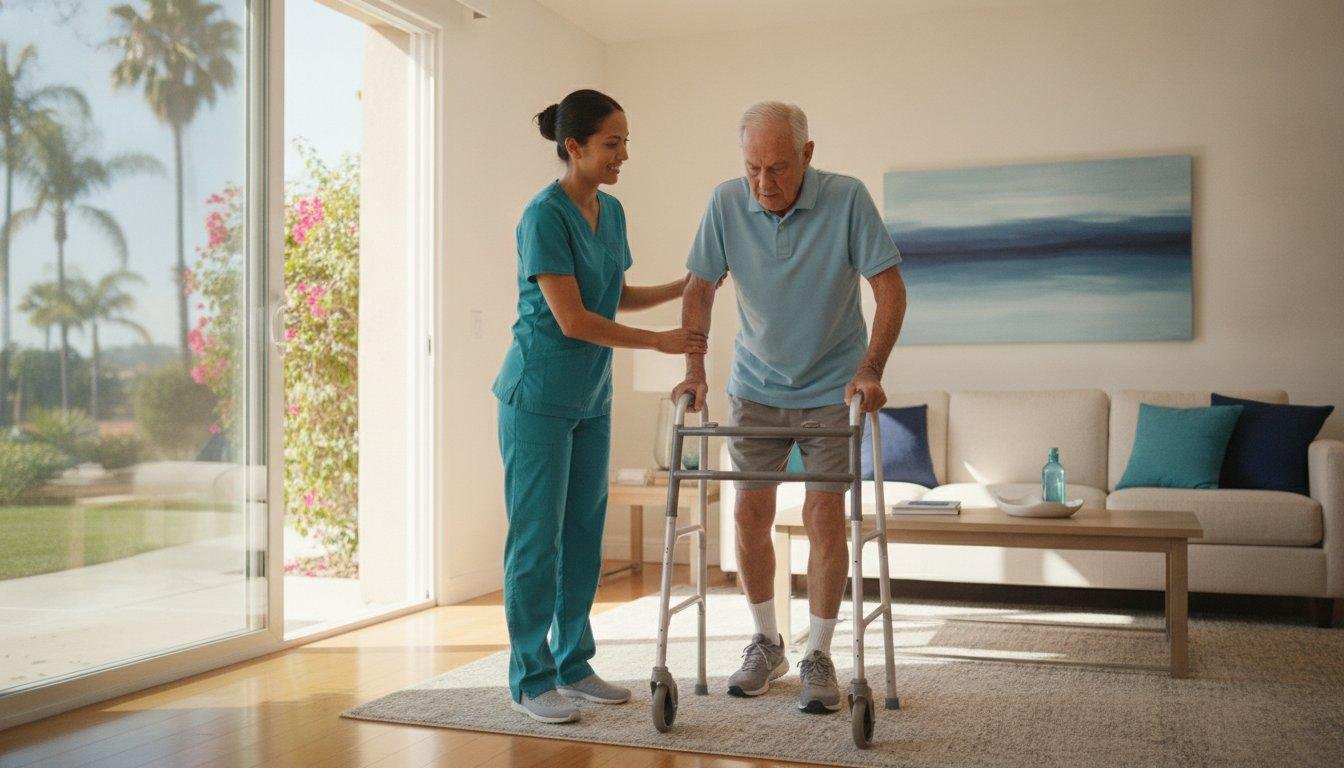
The final portion of the visit focuses on active rehabilitation to stimulate neuroplasticity and regain motor function. Clinicians guide the patient through range-of-motion exercises to prevent muscle contractures and maintain joint flexibility. Cognitive exercises are often integrated to help the patient rebuild memory and processing skills. Additionally, the therapist provides training on safe transfer techniques, such as moving from a bed to a wheelchair, which protects both the patient and the caregiver from physical injury during daily routines.
Preparing for In-Home Clinical Stroke Rehabilitation
Transitioning to home health care after stroke requires a fundamental shift in how the domestic environment is managed. A productive clinical intervention starts with a predictable routine. This consistency significantly reduces patient anxiety and fosters a sense of stability during a vulnerable time. In North Hollywood, we’ve observed that patients who know exactly when their therapist or nurse will arrive are often more engaged in their own recovery exercises. The primary caregiver acts as the “clinical eyes” between visits, observing subtle changes in mood, appetite, or physical coordination. This partnership ensures that medical-grade recovery standards are maintained around the clock, providing a safety net that extends beyond the professional visit.
Essential Documentation for the Clinical Team
Organizing medical records is a critical step toward a successful partnership with your clinical team. You’ll need to have hospital discharge summaries and relevant imaging reports, such as MRI or CT scans, readily available for the visiting nurse’s review. A comprehensive list of all specialists, including neurologists and cardiologists, ensures that your home health team can coordinate care without delay. We also suggest maintaining a daily log to track blood pressure readings, medication adherence, and any new symptoms. This documentation provides the clinical team with the objective data they need to refine the Plan of Care and report progress back to your primary physician.
Optimizing the Home for Clinical Safety
A residence must be physically prepared to support the rigors of intensive rehabilitation. Creating a well-lit, clutter-free workspace allows nurses to perform clinical procedures safely and gives therapists the room needed for gait and balance training. Installing specific safety equipment, such as grab bars in the bathroom and shower chairs, provides the physical support necessary to prevent falls during daily routines. For our clients in Los Angeles, we ask that pets are secured in a separate area and that the Everest Peak team has easy access to the property. These small adjustments facilitate an unhurried and focused clinical session, allowing the focus to remain entirely on the patient’s progress.
When you’re ready to transition your loved one from the hospital to the home, our team is prepared to manage every clinical detail. You can contact our North Hollywood office to begin establishing a professional recovery path that prioritizes both safety and independence.
Stroke Recovery Support with Everest Peak Home Health Care
Everest Peak Home Health Care maintains a steadfast commitment to clinical excellence for families navigating recovery in North Hollywood. As a locally-owned agency, we provide a more responsive and observant care experience compared to larger, institutional providers. This local focus allows our multidisciplinary team to coordinate closely with San Fernando Valley physicians, ensuring that the transition to home health care after stroke is seamless and medically sound. Our presence in the community means we understand the specific needs of Los Angeles residents, acting as a dependable partner in the long-term health of your family. By maintaining a high ratio of licensed professionals to patients, we ensure that no detail of the recovery process is overlooked.
Our Approach to Neuro-Rehabilitation
We prioritize the placement of licensed Registered Nurses and specialized therapists who possess a deep understanding of neurological recovery. Every clinical visit is designed to address the unique challenges presented by the patient’s condition. We customize each Plan of Care to reflect specific neurological deficits, such as hemiparesis or cognitive impairment, ensuring that interventions are both precise and effective. This structured approach focuses on preserving the patient’s dignity while steadily pushing for the highest possible level of functional independence. By providing specialized support at home, we help survivors regain their autonomy within the environment where they feel most secure. Our therapists utilize evidence-based protocols to stimulate neuroplasticity, which is essential for regaining motor and speech functions lost during the stroke event.
Getting Started: From Hospital to Home
Initiating professional support begins during the hospital discharge process. You can request a referral to Everest Peak Home Health Care from your neurologist or hospital social worker to ensure that skilled services are in place before you arrive home. Once the referral is received, our clinical team typically conducts an initial intake assessment within 24 to 48 hours. This comprehensive evaluation involves a thorough review of the patient’s current physical status, a home safety inspection, and a detailed medication reconciliation. This process allows us to establish a baseline and begin the physician-certified Plan of Care immediately. During this period, a clinical coordinator will review therapy goals with the family to ensure everyone is aligned on the recovery path and understands the expected milestones.
Speak with an Everest Peak clinical coordinator about stroke recovery today.
Restoring Autonomy Through Clinical Excellence
The transition from acute hospital care to a home environment is a pivotal moment in the recovery journey. Utilizing professional home health care after stroke ensures that the clinical standards established in the hospital continue without interruption. This physician-led approach prioritizes both neurological stability and functional progress, allowing patients to regain their independence within the comfort and dignity of their own residences. Professional oversight reduces the risk of secondary complications and provides the structured environment required for neuroplasticity to occur.
At Everest Peak, our team of licensed RNs, LVNs, and specialized neuro-therapists provides a methodical path for residents across North Hollywood and the Greater Los Angeles area. We focus on comprehensive, medically-monitored recovery plans that alleviate the physical and emotional strain on family caregivers. If you’re ready to bridge the gap between hospital discharge and long-term stability, we’re here to act as your dependable clinical partner. Contact Everest Peak for a Professional Stroke Recovery Assessment to begin your structured recovery today.
Recovery is a steady process that requires patience and expertise. We’re honored to support your family through this transition with the quiet confidence and professional rigor your loved one deserves.
Frequently Asked Questions
Does Medicare cover clinical home health visits after a stroke?
Medicare Part A covers skilled home health services when a physician certifies the medical necessity and the patient meets homebound criteria. In 2026, regulations allow for the required face-to-face encounter to be performed by a physician, Nurse Practitioner, or Physician Assistant. While Medicare covers professional clinical visits, it doesn’t provide for 24/7 live-in care or non-medical assistance. You’ll need to verify specific plan details if you’re using a Medicare Advantage provider.
What is the difference between a home health aide and a skilled nurse for stroke care?
A skilled nurse focuses on clinical management, such as medication reconciliation and monitoring for secondary stroke symptoms. A home health aide typically provides personal care assistance with tasks like bathing or dressing. For families managing home health care after stroke, the medical expertise of a nurse is vital for ensuring the patient remains clinically stable while they work toward regaining their physical autonomy.
How long do clinical home health visits typically last?
Clinical visits generally last between 45 and 60 minutes. This timeframe allows the nurse or therapist to perform a methodical assessment and proceed with rehabilitative exercises at a pace that respects the patient’s dignity. We don’t rush these sessions, as the goal is to provide high-quality medical intervention that fits the patient’s current physical and cognitive endurance during this sensitive transition.
Will my loved one see the same physical therapist for every visit?
We strive to maintain the same physical or occupational therapist for every session to ensure continuity of care. This consistency allows the clinician to develop a deep understanding of the patient’s neurological progress and physical limits. It also helps build a sense of trust and stability, which is essential for patients navigating the complex emotional and physical challenges of post-stroke recovery.
How often will the clinical team visit our home in North Hollywood?
The visit schedule is determined by the physician-led Plan of Care and the patient’s specific medical needs. In North Hollywood, many patients receive professional visits two to three times per week during the initial phase of recovery. The frequency is unhurried and methodical, ensuring the clinical team provides enough support to prevent readmission while encouraging the patient’s gradual return to independence.
Can clinical home health help with swallowing difficulties (dysphagia)?
Speech Therapy is a primary clinical intervention for managing dysphagia. A licensed therapist assesses the patient’s swallowing mechanics and provides specialized exercises to strengthen the necessary muscles. This professional support is a key part of home health care after stroke, as it ensures the patient can safely consume nutrition and hydration without the risk of aspiration or related respiratory complications.
What happens if a patient has a medical emergency between scheduled visits?
Home health services are not equipped for emergency medical responses. If a medical crisis occurs between scheduled visits, you should contact emergency services immediately. Our clinicians spend time during their visits educating family members on how to identify “red flag” symptoms, such as sudden speech changes or weakness, ensuring you feel prepared to act if the patient’s condition changes suddenly.
How does the clinical team coordinate with our primary neurologist?
Our clinical team acts as a professional extension of your primary neurologist or doctor. We provide regular, detailed updates on the patient’s vitals, medication adherence, and therapeutic milestones. This coordination ensures your physician has the objective data they need to monitor the recovery path and make any necessary adjustments to the overall medical strategy based on real-world observations from the home.