
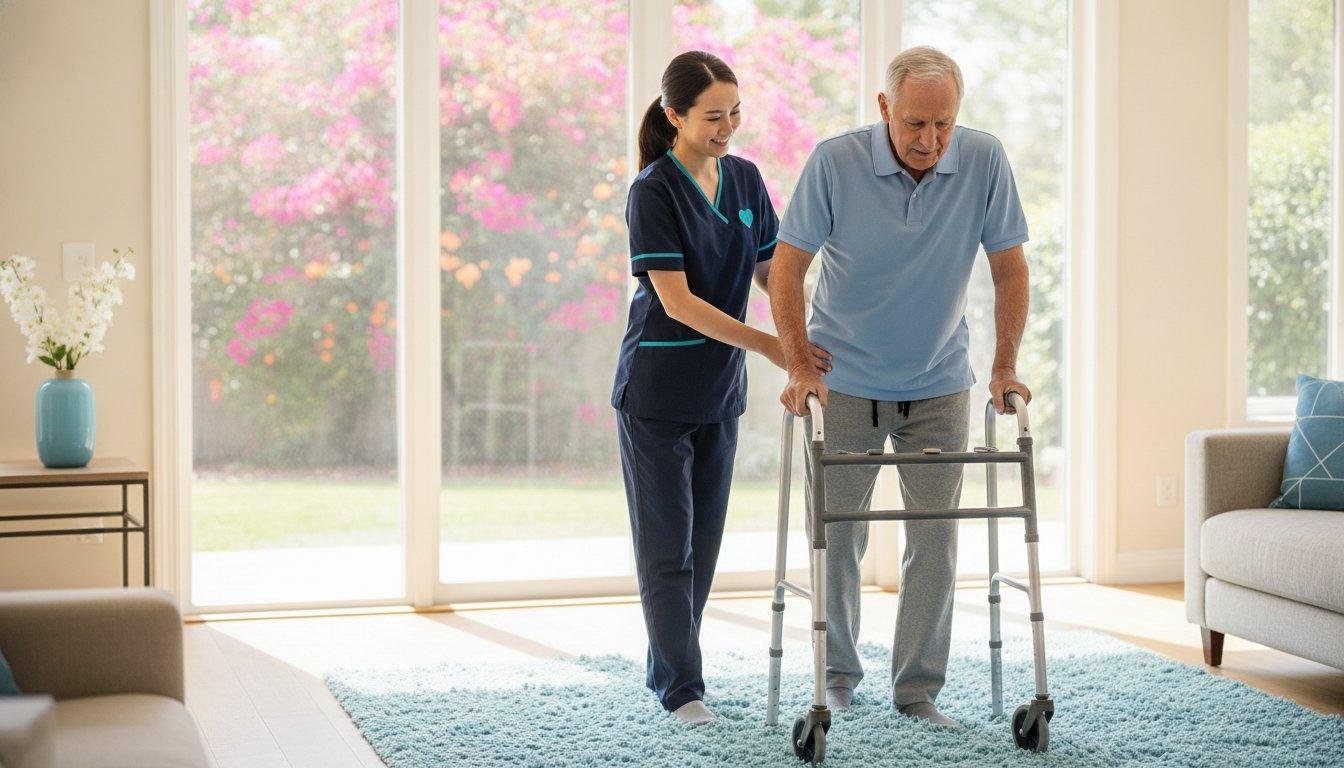
Approximately 92% of patients undergoing hip replacement are now discharged directly to their homes for recovery, shifting the clinical focus from the hospital ward to the private residence. It’s natural to feel a sense of uncertainty during this transition, especially when you’re managing surgical pain or worrying about the risk of a fall. The complexity of rehabilitation exercises can feel daunting when you’re no longer under 24-hour hospital supervision. However, the long-term success of your surgery depends heavily on the quality of your hip replacement home care during these first critical weeks.
We understand that a safe recovery requires more than just rest; it demands a disciplined, medically supervised environment. This clinical guide explains how skilled nursing and rehabilitative therapy work together to ensure your safety and promote efficient healing. You’ll discover how specialized physical therapists and licensed nurses coordinate care to prevent complications like dislocation while helping you regain your strength. We provide clarity on what to expect from your clinical team, offering a structured path toward restored mobility and the independent lifestyle you deserve.
Key Takeaways
- Learn why the first 72 hours following surgery represent the most critical window for clinical intervention and complication prevention.
- Understand the collaborative roles of skilled nursing, physical therapy, and occupational therapy in managing wound care and functional recovery.
- Identify necessary home modifications and orthopedic safety rules that significantly reduce the risk of post-operative falls or dislocations.
- Discover how structured hip replacement home care provides a clear clinical path from initial pain management to restored independence.
- Set realistic recovery expectations by following a detailed timeline of milestones for mobility, strength, and long-term surgical success.
The Critical Transition: Home Health Care for Hip Replacement Recovery
Post-operative home health care is not merely a convenience; it serves as a vital clinical extension of the hospital environment. When a patient is discharged following a hip replacement procedure, the responsibility for monitoring surgical success shifts from a controlled facility to the home. This transition requires a structured medical framework to ensure that the initial surgical outcomes are preserved through professional intervention. While family support is invaluable for emotional comfort, it cannot replace the diagnostic precision of a licensed clinician. Professional hip replacement home care focuses on achieving three primary clinical objectives: stabilizing acute pain, maintaining the integrity of the surgical wound, and initiating early, safe mobility protocols.
A professional clinical assessment is superior to family observation because it relies on objective medical data rather than subjective impressions. Licensed nurses and therapists are trained to identify subtle physiological shifts that indicate a deviation from the normal recovery path. They monitor hemodynamic stability and assess functional progress with a level of detail that ensures no aspect of the patient’s health is overlooked. By establishing this clinical baseline immediately upon discharge, the home health team creates a protective barrier against the most common post-operative setbacks.
The 72-Hour Post-Surgery Window
The first three days following discharge represent the highest risk period for post-surgical complications. During this 72-hour window, clinicians focus intensely on detecting early indicators of deep vein thrombosis (DVT) or pulmonary embolism, which remain significant risks after major orthopedic surgery. A registered nurse performs comprehensive assessments of the lower extremities, checking for localized swelling, heat, or changes in skin color that a layperson might miss. Beyond vascular health, the clinical team monitors the incision site for signs of infection or hematoma formation. They also verify that the home environment is medically safe for immediate mobility, ensuring that early movements don’t lead to a fall or hip dislocation.
Bridging the Gap from Hospital to Home
Transitioning from a 24-hour nursing environment to a private residence creates a care gap that often leads to hospital readmission. Professional home health services close this gap by providing a continuity of care that maintains the patient’s clinical trajectory. One of the most critical tasks during the initial visit is medication reconciliation. Nurses compare the hospital’s discharge orders with the medications currently in the home to prevent dangerous drug interactions or dosing errors. This clinical oversight establishes a direct communication link between the patient and the orthopedic surgeon. By acting as the surgeon’s eyes and ears, the home health team can report subtle changes in status, allowing for intervention before a minor issue becomes a medical emergency.
The Clinical Trifecta: Skilled Nursing, PT, and Occupational Therapy
Successful recovery after orthopedic surgery relies on a coordinated multidisciplinary team rather than isolated visits from various practitioners. This collaborative approach ensures that every aspect of the patient’s health, from physiological stability to mechanical joint function, is addressed simultaneously. A structured hip replacement home care plan integrates the expertise of skilled nurses, physical therapists, and occupational therapists to create a comprehensive safety net. This clinical synergy prevents the fragmented care that often leads to patient frustration or medical setbacks during the early weeks of rehabilitation.
Skilled Nursing and Wound Management
The registered nurse provides the clinical foundation for recovery by managing the medical complexities of the post-operative period. Their primary focus is maintaining wound integrity to promote primary intention healing, which is essential for preventing surgical site infections. Nurses perform professional dressing changes and monitor for signs of dehiscence or hematoma formation. They also implement pain management strategies that balance the patient’s comfort with the clinical requirement for active participation in therapy. Education is a vital component of nursing care; clinicians teach families how to recognize medical “red flags,” such as localized calf pain or shortness of breath, which may indicate serious vascular issues.
Physical Therapy: Restoring Strength and Gait
Physical therapists specialize in the mechanical restoration of the joint and the surrounding musculature. They design customized physical therapy exercises that target muscle atrophy and prevent joint stiffness without overstressing the new implant. Gait training is a priority during these sessions. Therapists provide direct supervision as patients learn safe weight-bearing techniques using walkers or crutches. This progressive movement protocol is designed to transition the patient from assisted mobility to confident, unassisted walking while ensuring the long-term stability of the hip replacement.
Occupational Therapy: Adapting Daily Activities
Occupational therapists focus on the practical application of “hip precautions” within the patient’s specific living environment. They teach modified techniques for activities of daily living (ADLs), such as bathing and dressing, to avoid movements that could cause joint dislocation. These specialists often recommend a “hip kit,” which typically includes a sock aid, long-handled sponge, and a reacher. These tools, which generally cost between $20 and $60, are essential for maintaining autonomy while adhering to physical restrictions. For residents in the San Fernando Valley, partnering with a dedicated post-operative care provider ensures that these three disciplines work in total alignment to restore a patient’s independence.
Preparing a Safe Haven: Home Modifications for Hip Recovery
A standard home environment is typically designed for aesthetic comfort rather than orthopedic safety. For a patient returning from surgery, common household features like low sofas, decorative rugs, and narrow pathways represent significant clinical risks. Optimizing your living environment is a foundational element of effective hip replacement home care, as it provides the physical structure necessary to follow medical restrictions. Without these modifications, even the most diligent patient may accidentally violate “hip precautions,” leading to joint instability or a traumatic fall.
The primary clinical guideline governing home modifications is the “90-degree rule.” This rule dictates that you should not bend your hip joint more than 90 degrees, as excessive flexion can cause the new prosthetic ball to dislodge from its socket. Consequently, furniture that was once comfortable may now be medically unsafe. It’s essential to differentiate between permanent home modifications, like installing a walk-in shower, and temporary recovery aids that support you during the initial healing phase. Following standardized post-operative hip care instructions ensures that your home supports, rather than hinders, your clinical progress.
Essential Safety Modifications
Fall prevention is the most critical objective when preparing your home. You should begin by creating clear, wide pathways between the rooms you use most frequently. This involves removing all throw rugs and securing loose electrical cords that could snag a walker or cane. In the bathroom, the risk of slipping is highest. Installing temporary or permanent grab bars and using a raised toilet seat are non-negotiable steps for maintaining the 90-degree rule. Adequate lighting is equally important; place nightlights in hallways and bathrooms to ensure visibility during nocturnal trips, reducing the likelihood of a misstep in the dark.
Furniture and Equipment Optimization
Your choice of seating directly impacts the stress placed on your new joint. Select firm, high-seated chairs that feature sturdy armrests, which provide the leverage needed to stand up without over-flexing the hip. Avoid “sinking” into soft recliners or low-profile couches. We recommend setting up a “recovery station” in your primary living area. This station should keep essentials like medications, a phone, water, and remote controls within arm’s reach to minimize unnecessary standing or reaching. Finally, verify that your walker or crutches can pass easily through all interior doorways. If a doorway is too narrow, you may need to temporarily remove the door or reorganize furniture to ensure your mobility aids remain functional throughout the home.
Navigating the Recovery Timeline: Milestones and Expectations
Recovery following a major orthopedic procedure is a methodical journey that requires both physiological healing and psychological adjustment. While every patient’s biology is unique, clinical milestones provide a standardized roadmap for measuring progress. A structured plan for hip replacement home care ensures that these milestones are met safely, preventing the setbacks that occur when a patient attempts to rush their return to activity. It’s normal to experience fluctuations in energy and comfort, but a professional clinical team helps you maintain a steady trajectory toward functional independence.
Weeks 1-2: Stability and Healing
The initial fortnight focuses on medical stability and the protection of the surgical site. During this phase, the primary goals include mastering basic transfers, such as moving safely from a bed to a chair without violating hip precautions. You’ll work closely with your physical therapist to achieve initial range-of-motion targets while your skilled nurse monitors wound closure. Establishing a consistent medication schedule is vital during these weeks; standardizing your analgesics ensures that pain levels remain controlled enough for you to participate actively in your daily therapy sessions. Mastering these foundational movements is the first step toward regaining your autonomy.
Weeks 3-6: Strengthening and Independence
As you enter the third week, the focus shifts from basic stability to functional strengthening. Most patients begin the transition from a walker to a cane or even unassisted walking during this period, provided their gait is stable and their strength is sufficient. You’ll find your endurance increasing, allowing for longer walks and the resumption of light household tasks. As the surgical site heals and your medical status stabilizes, the frequency of clinical nursing visits typically decreases. This shift marks your progression toward self-management, though your therapists will continue to challenge your balance and muscle coordination to ensure long-term joint success.
Transitioning from home-based services to an outpatient clinic depends on specific clinical criteria. Your team will look for consistent surgical site stability, the ability to perform basic activities of daily living independently, and the physical capacity to travel safely to a facility. It’s also important to acknowledge the emotional “ebbs and flows” of this journey. Feeling overwhelmed or frustrated is a natural part of the process, but having a knowledgeable guide can provide the reassurance needed to stay focused on your goals. If you’re recovering in the San Fernando Valley, choosing a dedicated partner for hip replacement home care ensures that you have the professional post-operative care required to navigate every phase of this timeline with confidence.
Everest Peak: Professional Post-Operative Care in Los Angeles
Everest Peak Home Health Care serves as a dedicated clinical partner for patients throughout the San Fernando Valley and the greater Los Angeles area. We understand that the transition from a surgical center to a private residence requires a high level of professional oversight to maintain the integrity of the procedure. Our team consists of licensed registered nurses and specialized rehabilitative therapists who possess specific expertise in orthopedic recovery protocols. By providing structured hip replacement home care, we ensure that every patient receives a customized plan that addresses their unique physiological needs and functional goals.
Our approach is grounded in clinical excellence and professional empathy. We recognize that while the surgery takes place in an operating room, the true restoration of mobility happens in the home. We act as a protective extension of your family’s care circle, offering the technical skills required for complex wound management and medication reconciliation. This professional presence allows families to focus on emotional support while we handle the rigorous medical monitoring necessary for a complication-free recovery.
Why Choose Clinical Home Health?
Choosing professional home health services provides a level of medical security that family-only observation cannot replicate. Our clinicians are trained to detect the earliest signs of vascular or respiratory issues, providing the peace of mind that comes with expert monitoring. This clinical intervention significantly reduces the physical and emotional burden on family members, who may feel overwhelmed by the complexities of post-operative restrictions. The Everest Peak commitment is rooted in a serious dedication to patient dignity and clinical excellence, ensuring that every individual feels respected throughout their healing journey.
Starting Your Recovery Journey with Us
We begin the coordination process before you even leave the hospital. Our clinical team works directly with your orthopedic surgeon to review and implement specific discharge orders, ensuring a seamless bridge between acute care and home rehabilitation. During our initial visit, we conduct a comprehensive assessment of your physical status and your home environment. This first encounter includes:
- A thorough review of your surgical site and vital signs to establish a clinical baseline.
- Medication reconciliation to ensure your pain management plan is safe and effective.
- A functional assessment to determine the appropriate frequency of physical and occupational therapy.
- An evaluation of your home layout to confirm all safety modifications are in place.
Patients and families in North Hollywood and the surrounding San Fernando Valley can rely on our highly organized team to manage the details of their hip replacement home care. We prioritize clear communication and methodical progress, guiding you through each milestone of the recovery timeline. To learn more about our specialized orthopedic services or to schedule an initial clinical consultation, contact our North Hollywood office today. We’re here to provide the stable, expert support you need to return to an active and independent lifestyle.
Secure Your Path to Full Independence
Achieving a successful recovery requires a structured medical approach that extends well beyond the hospital walls. By combining professional wound management with disciplined physical therapy, you ensure that your new joint remains stable and functional. Proper home modifications, such as adhering to the clinical 90-degree rule, provide the necessary physical framework to prevent complications during the critical early weeks of healing. High-quality hip replacement home care converts surgical success into a lasting improvement in your overall quality of life.
Everest Peak Home Health Care offers specialized post-operative orthopedic care plans tailored to your specific recovery timeline. Our team of licensed registered nurses and physical therapists provides the expert monitoring needed to navigate this transition safely. We’re proud to serve families throughout North Hollywood and the San Fernando Valley with a commitment to clinical excellence and patient dignity. You don’t have to manage this complex process alone. Schedule a Professional Home Health Assessment for Your Recovery to ensure you have the expert support required for a confident return to mobility. We’re ready to help you reclaim your active lifestyle.
Frequently Asked Questions
Is home health care necessary after every hip replacement surgery?
Clinical home health care is strongly recommended for the majority of patients to bridge the gap between hospital discharge and full independence. While some individuals with extensive local support may attempt to manage alone, professional monitoring significantly reduces the risk of hospital readmission. A structured plan for hip replacement home care ensures that a licensed clinician evaluates your surgical site and monitors your physiological stability during the highest-risk period following your procedure.
How many times a week will a physical therapist visit my home?
Physical therapy visits typically occur two to three times per week, though the exact frequency depends on your surgeon’s specific orders and your initial clinical assessment. These sessions focus on restoring joint mechanics and improving your gait through supervised exercises that prevent muscle atrophy. As your strength and endurance increase, your therapist may adjust the schedule to match your progress toward functional independence and long-term joint stability.
Does insurance or Medicare cover skilled nursing for hip replacement?
Medicare and most private insurance providers cover skilled nursing and rehabilitative therapy when the services are deemed medically necessary and the patient is considered homebound. Under Medicare Part A, these services are typically covered at 100% if provided by a certified agency following an inpatient stay. It’s advisable to verify your specific plan’s requirements regarding prior authorization to ensure seamless coverage for your post-operative needs without unexpected out-of-pocket costs.
What is the difference between a home health aide and a skilled nurse?
A skilled nurse is a licensed medical professional who manages clinical tasks such as wound care, medication reconciliation, and vital sign monitoring. In contrast, a home health aide provides personal care assistance, focusing on activities of daily living like bathing, dressing, and grooming. While both roles support your recovery, only the skilled nurse possesses the clinical training to perform medical assessments and coordinate directly with your orthopedic surgical team.
Can I stay alone at home during my recovery if I have professional visits?
It’s strongly recommended that you have a family member or caregiver present for at least the first few days after surgery, even if you have professional clinical visits. While therapists and nurses provide essential medical oversight, they aren’t in the home 24 hours a day. Having someone available to assist with meal preparation and emergency needs ensures your safety during the initial 72-hour window when fall risks and medication adjustments are most frequent.
How do I know if my surgical incision is getting infected?
You should monitor your incision daily for increased redness, localized warmth, or unusual swelling that doesn’t improve with rest and elevation. Other clinical red flags include persistent drainage from the wound, a foul odor, or a fever exceeding 101 degrees Fahrenheit. If you notice any of these symptoms, notify your home health nurse or surgeon immediately, as they may indicate the beginning of a surgical site infection that requires prompt intervention.
What are the most common “hip precautions” I need to follow at home?
The most common precautions include the 90-degree rule, which prevents you from bending your hip joint beyond a right angle while sitting or standing. You must also avoid crossing your legs at the knees or ankles and refrain from rotating your operative foot inward. These restrictions are vital for maintaining the stability of the new prosthetic joint and are a primary focus of professional hip replacement home care during the first six weeks of healing.
How long does professional home health care usually last after surgery?
Professional home health care typically lasts between two and six weeks, depending on your individual rate of healing and functional progress. Most patients graduate from home-based services once they can safely navigate their environment and travel to an outpatient clinic for continued therapy. Your clinical team will regularly evaluate your milestones to determine the appropriate time for transitioning to the next phase of your recovery journey based on your mobility and wound stability.