The most critical stage of surgical recovery doesn’t happen in the operating room; it happens during the weeks of clinical monitoring that follow at home. Managing a complex surgical site or a chronic ulcer is often overwhelming, especially when you’re faced with technical instructions for wound vacs or the constant fear of infection. It’s natural to feel anxious about whether a wound is healing correctly or if a sudden change in color signals a serious complication like sepsis. Transporting a patient through Los Angeles traffic for frequent clinic visits only adds to this physical and emotional strain.
By utilizing professional skilled nursing for wound management, you bring hospital-level expertise directly to your bedside to ensure every dressing change and debridement is handled with clinical precision. You don’t have to navigate these medical complexities alone. This article explains how specialized home care accelerates wound closure, reduces physical discomfort, and provides the professional oversight needed to prevent hospital readmissions. We will also discuss how a multidisciplinary approach involving registered nurses and therapists creates a stable environment for long-term recovery and provides the peace of mind your family deserves.
Key Takeaways
- Understand why complex wounds require clinical intervention beyond basic home care to prevent infection and serious complications like sepsis.
- Discover how skilled nursing for wound management provides the technical expertise needed for medical assessments and specialized dressing changes.
- Learn the specific clinical strategies used to manage acute post-operative incisions versus stabilizing chronic diabetic or pressure ulcers.
- Identify the essential licensing requirements and local expertise to look for when selecting a home health partner in the Los Angeles area.
- Explore how a multidisciplinary approach involving nursing and physical therapy accelerates recovery and helps patients regain their independence.
The Challenges of Complex Wound Healing in a Home Setting
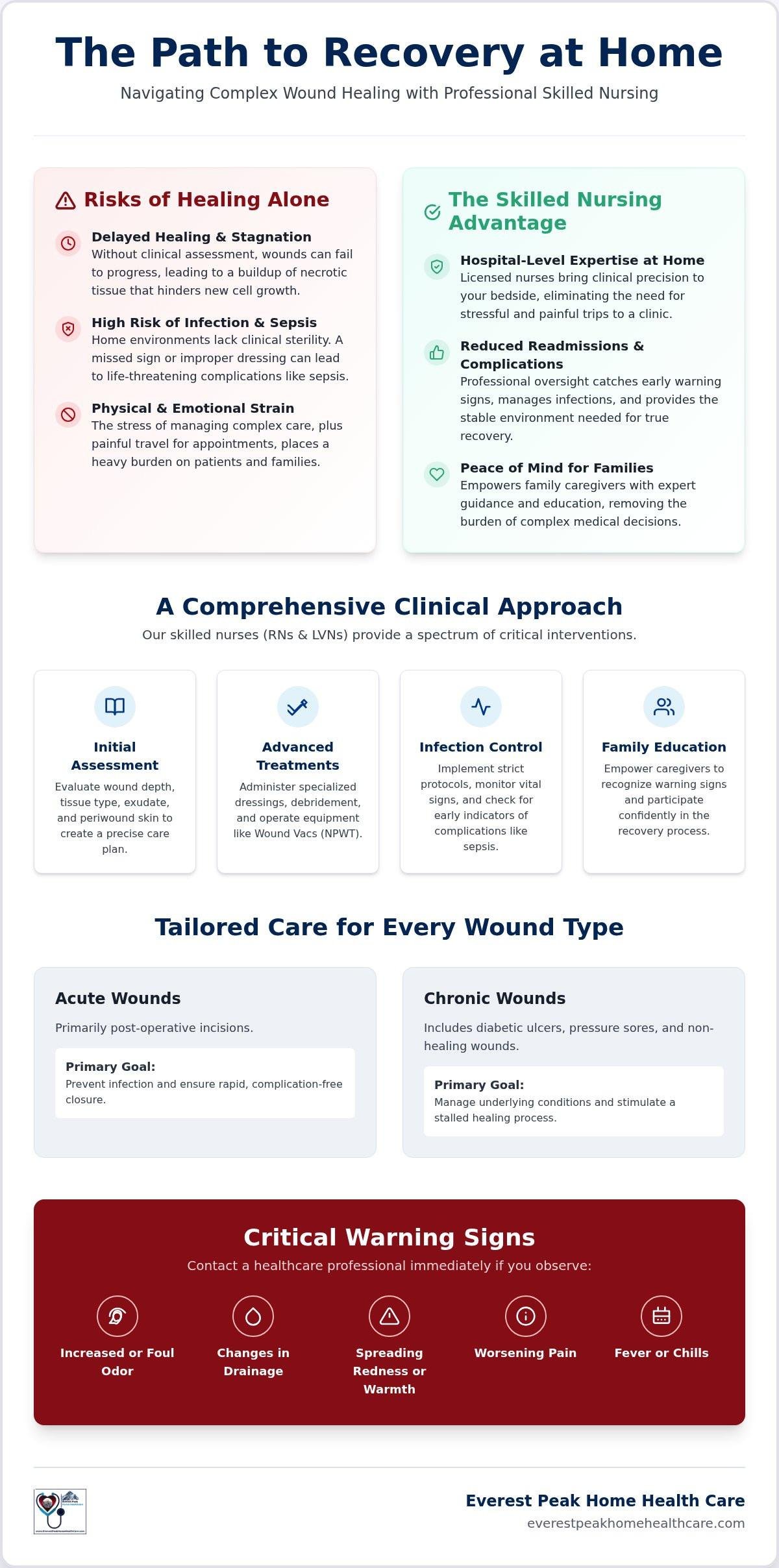
Recovery at home offers a sense of comfort that a hospital ward cannot replicate, but complex wounds present unique clinical risks that simple bandages cannot address. Unlike minor abrasions, chronic wounds like pressure ulcers or diabetic foot sores involve a disruption in the process of wound healing that requires specialized intervention. When a wound fails to progress through the inflammatory and proliferative phases, it becomes a source of significant psychological distress. Families often feel a heavy burden of responsibility, fearing that a single mistake during a dressing change could lead to a life-threatening infection or sepsis.
The home environment itself introduces variables that can hinder recovery. Factors such as household dust, pet dander, or inadequate lighting make it difficult to maintain the aseptic conditions necessary for tissue regeneration. Identifying the tipping point is essential for patient safety. If you notice a foul odor, increased drainage, or if the wound hasn’t changed size in two weeks, the situation has moved beyond basic care. This is where skilled nursing for wound management becomes a clinical necessity rather than an option.
Common Obstacles to Recovery Outside a Hospital
In a residential setting, the lack of specialized equipment often leads to inconsistent monitoring. Without a clinician’s eye, subtle changes in the wound bed or surrounding skin can go unnoticed until a crisis occurs. Residential spaces also lack the controlled sterility of a clinic, increasing the risk of wound stagnation. This occurs when the biological environment of the wound becomes hostile to new cell growth, often due to a buildup of necrotic tissue that only a professional can safely address. Regular assessment of vital signs is also critical, as a slight rise in temperature can be the first indicator of a systemic issue.
The Role of Professional Oversight in North Hollywood Homes
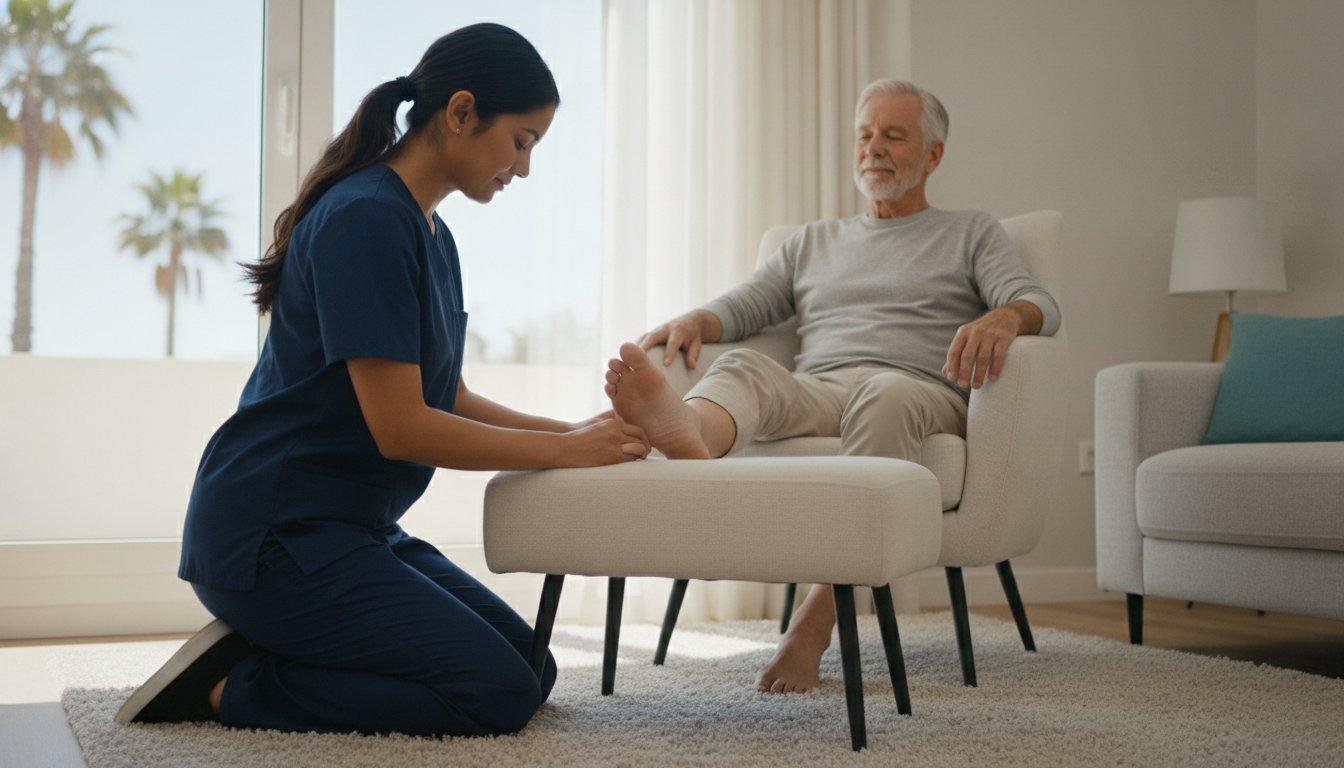
Local clinicians at Everest Peak adapt hospital-grade protocols to fit the specific layout and needs of North Hollywood residences. By providing skilled nursing for wound management, our team acts as a vital bridge between your primary care physician and your daily recovery needs. This professional oversight eliminates the physical toll of transporting a patient through San Fernando Valley traffic for dressing changes. Instead of enduring the pain of a car ride, the patient remains in a stable, comfortable environment while receiving the precise clinical care required for faster closure and reduced discomfort.
What to Expect from Skilled Nursing for Wound Management
When a patient transitions from a hospital to a home setting, the level of clinical oversight shouldn’t drop. Professional skilled nursing for wound management begins with a comprehensive initial assessment that goes far beyond a visual check. A licensed Registered Nurse (RN) or Licensed Vocational Nurse (LVN) evaluates the depth of the wound bed, the type of tissue present, and the condition of the surrounding periwound area. They also measure the volume and color of exudate. These clinical indicators dictate which specialized medical-grade dressings are necessary to maintain an optimal moisture balance for recovery.
Beyond the technical application of dressings, nurses implement strict infection control protocols. They monitor vital signs and the wound’s appearance for early indicators of sepsis, a life-threatening complication that requires immediate medical intervention. Because healing is a continuous process, nurses also provide essential education to family members. This guidance empowers caregivers to recognize warning signs like increased redness or unusual odors between scheduled visits. It’s also important to understand Medicare coverage for skilled nursing, as these services are often covered when they’re deemed medically necessary for complex or non-healing wounds.
Clinical Interventions Provided by RNs and LVNs
Nurses manage the administration of prescribed systemic medications and complex topical treatments. They’re also trained to operate specialized equipment such as Negative Pressure Wound Therapy, often called Wound Vacs, which use controlled suction to pull fluid from the wound and stimulate blood flow. Debridement is the removal of necrotic tissue to promote healthy growth. This precise intervention ensures that the body’s natural regenerative processes aren’t blocked by dead or infected material. By managing these technical tasks, nurses reduce the burden on the family and ensure clinical accuracy.
A Multidisciplinary Approach to Healing
Effective recovery often requires more than just nursing. Physical therapy plays a vital role by improving systemic circulation, which is necessary for delivering oxygen to the wound site. Occupational therapists help patients adapt their daily movements to protect the affected area from unnecessary pressure or friction. Additionally, integrating nutritional support ensures the body has the protein and micronutrients required for tissue regeneration. If you’re coordinating care for a loved one, skilled nursing care provides the clinical framework needed to manage these moving parts effectively. This collaborative strategy ensures that the patient’s primary care team is always informed of their progress, reducing the risk of complications and hospital readmissions.
Managing Chronic vs. Acute Wounds: Preventing Hospital Readmission
Effective recovery at home depends on a clinician’s ability to distinguish between the unique needs of acute and chronic wounds. Acute wounds, such as post-operative incisions and traumatic injuries, typically follow a predictable, linear path toward closure. In contrast, chronic wounds like pressure ulcers, diabetic foot ulcers, and venous stasis are characterized by a stalled healing process that requires more intensive, specialized intervention. The first 30 days after hospital discharge represent a high-risk period where readmission rates often spike due to complications like localized infection or systemic illness. Utilizing skilled nursing for wound management during this critical window provides the clinical oversight necessary to detect these issues before they require emergency care.
Precise, survey-ready documentation is a cornerstone of patient safety in a home health setting. It ensures that every member of the care team, from the primary physician to the physical therapist, has a clear and accurate picture of the wound’s progression. This level of detail is essential for identifying subtle trends that might indicate a need for a change in treatment protocol. Without this rigorous clinical tracking, small changes in the wound bed can be easily overlooked, leading to avoidable setbacks in the patient’s recovery journey.
Specific Care for Post-Operative Recovery
Surgical sites require vigilant monitoring for dehiscence, which is the separation of wound edges, or early signs of infection that can occur shortly after discharge. Nurses manage complex drainage systems and ensure that surgical staples or sutures remain intact while following strict pain management protocols prescribed by the surgeon. This level of professional care is vital for patients recovering from major procedures who may have limited mobility and cannot easily travel to a clinic for routine checks. By stabilizing the surgical site at home, clinicians reduce the physical and emotional stress on the patient.
Long-term Management of Chronic Conditions
Long-term management of chronic conditions involves sophisticated strategies like offloading pressure to prevent the formation of new ulcers in vulnerable areas. For diabetic patients, the intersection of blood sugar control and tissue regeneration is a primary focus, as elevated glucose levels can significantly impair the body’s ability to repair itself. Chronic wounds often require 24-72 hour monitoring cycles for effective management. This frequent assessment allows clinicians to adjust topical treatments and dressings based on real-time changes in the wound bed, ensuring that the environment remains conducive to healing even when the body’s natural processes are compromised.
Criteria for Choosing Skilled Nursing Services in Los Angeles
Selecting a clinical partner for home care is a decision that directly influences the safety and speed of a patient’s recovery. Families in Los Angeles must look beyond general service descriptions to ensure they’re choosing an agency that prioritizes medical authority and patient dignity. Every clinician entering your home should be a licensed Registered Nurse (RN) or Licensed Vocational Nurse (LVN) with specific experience in complex tissue repair. Specialized skilled nursing for wound management requires a deep understanding of advanced therapies, such as negative pressure systems and aseptic techniques, which are essential for preventing life-threatening infections.
Local logistics play a surprisingly critical role in clinical outcomes. An agency with a strong presence in North Hollywood understands the specific traffic patterns and geography of the San Fernando Valley. This local knowledge ensures that nurses arrive on time for scheduled dressing changes, which is vital for maintaining the strict treatment cycles required for chronic ulcers. If you’re currently evaluating options for a loved one, you can contact our skilled nursing team to learn more about our multidisciplinary approach to home-based recovery.
Questions to Ask a Potential Home Health Agency
When interviewing an agency, it’s important to move past administrative details and focus on clinical protocols. You should ask how they handle a suspected infection or a equipment failure after standard business hours. Inquire about their specific method for coordinating with your surgeon or primary care physician to ensure treatment plans are followed exactly. Finally, ask if they provide structured training for family members. A dependable partner acts as a knowledgeable guide, teaching caregivers how to safely assist with mobility or recognize early warning signs of wound stagnation between nursing visits.
Navigating Insurance and Clinical Eligibility
Understanding the criteria for insurance coverage is a necessary step in securing long-term support. Most providers require a patient to have “homebound” status, meaning that leaving the home requires a considerable and taxing effort. A physician’s referral is also mandatory to initiate skilled nursing for wound management. During the initial transition, a Medical Social Worker can be an invaluable resource. These specialists help families navigate the complexities of care costs and coordinate with insurance providers to ensure that the focus remains entirely on the patient’s physical improvement and independence. This structured support system ensures that no aspect of the patient’s clinical or logistical needs is overlooked.
Everest Peak: Specialized Wound Care in North Hollywood
Everest Peak Home Health Care operates as a specialized clinical extension for families in North Hollywood and the surrounding San Fernando Valley. We understand that the period following a hospital discharge is a vulnerable time for both the patient and their loved ones. Our commitment to skilled nursing for wound management is grounded in the belief that clinical excellence should never come at the expense of patient dignity. By maintaining a dedicated local presence, we provide the timely, precise interventions that are essential for stabilizing chronic ulcers and monitoring complex post-operative incisions in a residential setting.
Our approach is inherently collaborative and multidisciplinary. While a specialized nurse manages the wound bed directly, our physical and occupational therapists work in tandem to address the systemic factors that influence the healing process. This strategy ensures that every aspect of the patient’s health is monitored with professional rigor. Whether it’s improving circulation to prevent future pressure sores or providing the technical oversight needed for a wound vac, our team offers a structured and stable path toward physical improvement and long-term independence.
Our Clinical Team and Expertise
Our licensed Registered Nurses and Licensed Vocational Nurses are trained in advanced clinical protocols specifically designed for complex tissue repair. This expertise allows us to manage technical medical equipment and intricate dressing changes with the same precision found in a hospital clinic. We prioritize patient autonomy throughout the recovery process. By involving the patient and their family in the care plan, we ensure that the transition to home care is predictable and supportive. Everest Peak serves as a dependable partner, offering the quiet confidence and medical authority that families need when navigating stressful health transitions.
Getting Started with Everest Peak
The transition from a hospital setting to home-based care requires meticulous coordination. We simplify this process by working directly with your surgical or primary care team to implement their prescribed treatment plan without delay. Your recovery journey starts with a thorough clinical evaluation conducted by one of our senior nurses in the comfort of your home. This initial assessment establishes a vital baseline for recovery and allows us to customize our skilled nursing for wound management to your specific physiological requirements. Taking this first step ensures that your loved one receives the specialized monitoring and compassionate support they need to heal safely at home.
Contact Everest Peak for a professional home health assessment to begin your recovery with a clinical team that values both professional rigor and personal respect.
Securing Professional Support for Long-Term Healing
Recovery is a methodical process that requires both clinical precision and a stable, supportive environment. By integrating skilled nursing for wound management into your home care plan, you ensure that technical tasks like infection monitoring and complex dressing changes are performed by licensed RN and LVN medical staff. This professional oversight is the most effective way to prevent hospital readmissions while ensuring that the patient remains comfortable and dignified throughout the healing journey. Professional intervention moves recovery beyond simple maintenance and toward active tissue regeneration.
Our multidisciplinary team serves North Hollywood and the greater Los Angeles area, providing a combination of specialized nursing and rehabilitative support from physical and occupational therapists. This collaborative strategy addresses the systemic factors of recovery, allowing for faster wound closure and a return to daily independence. You don’t have to navigate the complexities of chronic or post-operative care without a knowledgeable guide. We’re here to act as a dependable partner and a professional extension of your family’s care circle.
Take the first step toward a safer recovery today. Schedule a Clinical Consultation with Everest Peak to discuss your specific needs with our professional staff. We’re committed to helping you achieve a stable and successful recovery in the comfort of your own home.
Frequently Asked Questions
What is the difference between a wound clinic and skilled nursing at home?
A wound clinic is a centralized medical facility where patients must travel for treatment; in contrast, skilled nursing for wound management brings hospital-level expertise directly to your residence. This service eliminates the physical strain of transport through Los Angeles traffic and allows clinicians to assess how your specific home environment impacts the recovery process. Home-based care focuses on integrating clinical protocols into your daily routine to maintain stability and comfort.
How often will a nurse visit for wound management?
The frequency of nursing visits is determined by your physician’s specific orders and the clinical severity of the wound. While some complex cases require daily monitoring; many patients typically receive visits two to three times per week. Our licensed nurses continually evaluate the wound bed and adjust the visit schedule as the tissue shows signs of stabilization and progress toward closure.
Does skilled nursing include debridement services at home?
Yes; licensed nurses can perform non-surgical debridement at home to remove necrotic tissue and promote healthy cell growth. This precise clinical intervention is essential for clearing the wound bed of biological barriers that prevent natural healing. If a wound requires more extensive surgical debridement; our team coordinates directly with your specialist to ensure a safe transition to and from the clinic.
Can skilled nursing help with a Wound Vac (Negative Pressure Wound Therapy)?
Our clinical team is specifically trained to manage Negative Pressure Wound Therapy (NPWT) systems in a residential setting. This includes monitoring the vacuum seal; managing fluid drainage; and performing the complex dressing changes required to keep the system functioning effectively. This specialized oversight ensures the therapy remains therapeutic and reduces the risk of equipment failure that could stall your recovery.
Will my insurance cover in-home skilled nursing for a surgical wound?
Most insurance providers; including Medicare and Medi-Cal; cover in-home nursing when it’s deemed medically necessary and the patient meets “homebound” criteria. Because coverage details vary by plan; our medical social workers help families verify their benefits and obtain the necessary physician referrals to initiate care. This administrative support ensures that the focus remains on the patient’s physical improvement rather than logistical hurdles.
What are the early warning signs of a wound infection I should watch for?
You should watch for increased redness; localized heat around the wound; a foul odor; or a sudden change in the color and volume of drainage. Systemic signs like fever; chills; or increased confusion are also critical indicators that require immediate clinical attention. Our nurses provide detailed education to help families recognize these subtle changes between scheduled visits to prevent serious complications like sepsis.
How does physical therapy help a wound heal faster?
Physical therapy supports healing by improving systemic circulation; which ensures that oxygen and essential nutrients reach the wound site more efficiently. Therapists also implement offloading techniques and mobility exercises to prevent further tissue damage from pressure or friction. This multidisciplinary approach is a key component of skilled nursing for wound management that addresses the patient’s overall physical strength and independence.
What information should I have ready when calling a home health agency?
Please have your primary physician’s contact information; your insurance card; and a brief summary of the surgical or medical history related to the wound. It’s also helpful to provide a list of current medications and any specific instructions provided by your discharge planner or specialist. This data allows our North Hollywood team to conduct a more efficient initial assessment and coordinate your care plan without delay.