What if the difference between a safe recovery at home and an emergency hospital readmission wasn’t a 24/7 caregiver, but a single hour of expert clinical observation? For families in Los Angeles, managing a loved one’s health from a distance often brings a heavy burden of anxiety. You likely worry about a missed red flag in their vitals or a subtle error in their complex medication schedule that could lead to a crisis. It’s often difficult to distinguish between the companionship of a home aide and the specialized assessment required to ensure medical stability. We understand that you want to protect your loved one’s dignity without compromising their safety.
This guide explains how professional in-home nursing wellness checks and proactive monitoring preserve autonomy while providing the clinical peace of mind your family deserves. You’ll learn how Licensed Registered Nurses (RNs) and Licensed Vocational Nurses (LVNs) use early detection and accurate medication reconciliation to reduce hospitalizations. We will also outline how these structured visits provide professional validation of a patient’s health status, ensuring that small shifts in condition are addressed before they become emergencies.
Key Takeaways
- Understand why in-home nursing wellness checks performed by Licensed Registered Nurses (RNs) are critical for distinguishing clinical needs from non-medical companion care.
- Learn the specific clinical components of a professional assessment, including comprehensive vital signs tracking and precise medication reconciliation to prevent adverse drug events.
- Identify the medical “red flags” and health shifts that signal a need for proactive monitoring, particularly during the high-risk post-operative recovery period.
- Navigate California’s 2026 home health standards to ensure you select a licensed agency in Los Angeles that prioritizes clinical excellence and patient safety.
- Discover how integrating clinical wellness visits with rehabilitative therapies like PT and OT creates a comprehensive care plan that supports long-term independence at home.
Understanding In-Home Nursing Wellness Checks and Proactive Monitoring
A professional wellness check is a structured clinical assessment conducted by a Licensed Registered Nurse (RN) or Licensed Vocational Nurse (LVN) to evaluate a patient’s medical stability within their own residence. Unlike standard caregiving, which focuses on daily living activities like meal preparation or light housekeeping, in-home nursing wellness checks are rooted in clinical data and diagnostic observation. These visits serve as a vital link between the patient’s primary physician and their daily home environment, ensuring that the medical plan of care is being followed accurately and effectively.
The healthcare industry is currently undergoing a significant shift from reactive crisis management to proactive monitoring. Traditionally, medical intervention only occurred after a fall, a medication error, or a sudden spike in symptoms. Proactive Home health nursing changes this trajectory by identifying physiological “red flags” before they escalate into emergencies. By implementing a schedule of regular clinical assessments, families can move away from the constant anxiety of the unknown and rely on a structured system of professional oversight.
The Core Objectives of Clinical Monitoring
The primary goal of these visits is to maintain a baseline of health and catch subtle deviations early. Licensed nurses focus on three critical areas during each session:
- Early identification of health shifts: Nurses detect minor changes in lung sounds, skin integrity, or cognitive status that a layperson might overlook.
- ER and readmission prevention: By addressing symptoms like fluid retention or blood pressure fluctuations immediately, nurses help patients avoid traumatic hospital visits.
- Treatment validation: Professional checks ensure that the medications and therapies prescribed by doctors are actually producing the intended clinical outcomes.
Who Benefits Most from Regular Nursing Checks?
While any individual managing a health transition can benefit, certain populations in the San Fernando Valley require this higher level of clinical scrutiny to remain safe. These include:
- Seniors with multiple chronic conditions: Patients managing a combination of diabetes, heart failure, or COPD need frequent vital sign tracking to prevent complications.
- Post-operative recovery patients: Those returning home after major surgery require professional wound assessment and monitoring for signs of infection or deep vein thrombosis.
- Individuals with complex medication regimens: When a patient takes multiple high-risk prescriptions, a nurse’s oversight is essential to prevent dangerous drug interactions or dosing errors.
Professional in-home nursing wellness checks provide a level of security that non-medical care simply cannot match. It’s the difference between having someone in the house and having a clinical expert who knows exactly what to look for to keep a loved one stable and independent.
The Clinical Components of a Professional Wellness Assessment
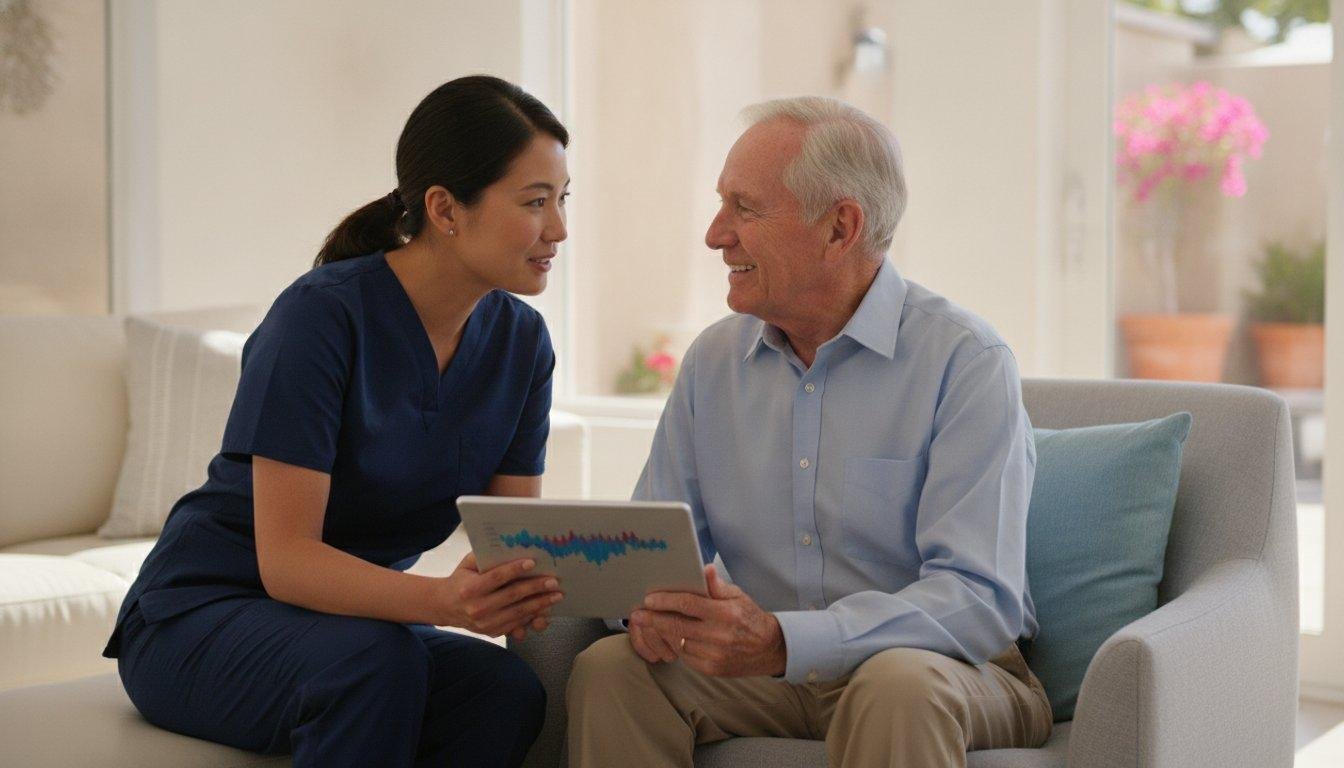
Professional in-home nursing wellness checks provide a comprehensive physiological snapshot of a patient’s current health status. While many individuals are familiar with the Medicare yearly ‘Wellness’ visit conducted in a clinical setting, in-home assessments offer a more granular view of how a patient functions in their natural environment. A Licensed Registered Nurse (RN) or Licensed Vocational Nurse (LVN) begins by tracking vital signs, including blood pressure, heart rate, oxygen saturation, and temperature. These data points aren’t simply recorded; they’re analyzed against the patient’s baseline to detect dangerous trends. The physical assessment extends to checking for edema in the extremities, evaluating skin integrity to prevent pressure ulcers, and identifying early signs of infection in surgical wounds or catheter sites.
The assessment also includes an environmental safety evaluation. The nurse identifies fall risks, such as loose rugs or inadequate lighting, and assesses hygiene standards that could impact recovery. This thoroughness ensures the home remains a healing environment rather than a source of injury. For families in the San Fernando Valley, our skilled nursing care provides the specialized oversight needed to manage these complex clinical variables with confidence.
Medication Management and Safety
Medication reconciliation is a cornerstone of clinical safety during these visits. Nurses compare the current medication list against physician orders to ensure all prescriptions, over-the-counter drugs, and supplements are taken correctly. This process helps identify potential drug interactions or expired bottles that could lead to toxicity. Nurses also update medication checklists and educate family caregivers on the precise timing and dosage required to maintain therapeutic levels. This professional oversight significantly reduces the risk of adverse drug events that often lead to hospital readmission.
Cognitive and Nutritional Screenings
Nurses assess memory, orientation, and mental health through standardized screenings. This includes looking for signs of depression or cognitive decline that might interfere with self-care or medication adherence. Additionally, the nurse evaluates nutritional intake and hydration status. If a patient is struggling with appetite or fluid retention, these findings are reported directly to the primary care physician. This integrated approach ensures that the medical team can adjust the care plan based on real-time data from the home, supporting the patient’s long-term independence and stability.
Identifying When In-Home Patient Monitoring Services Are Essential
Determining the appropriate level of care for a loved one is a complex decision that often hinges on specific clinical indicators. While many families initially seek assistance to provide companionship, in-home nursing wellness checks become essential when a patient’s medical stability is at risk. Recognizing “red flags” such as sudden weight fluctuations in congestive heart failure (CHF) patients, increased shortness of breath for those with COPD, or poorly healing wounds is critical. These physiological shifts require the diagnostic expertise of a licensed nurse to prevent rapid decline. Professional monitoring acts as a safeguard, ensuring that subtle symptoms are caught before they necessitate an emergency room visit.
Managing chronic conditions like diabetes or hypertension requires more than just following a prescription; it demands consistent physiological tracking. When a patient struggles to maintain their baseline, a Licensed Registered Nurse (RN) provides the necessary oversight to adjust care plans in real time. This level of support is also vital for family caregivers who may be experiencing burnout or feel overwhelmed by the technical demands of medical care. Transitioning the responsibility of clinical monitoring to a professional allows families to focus on emotional support while knowing that the medical details are being handled with disciplined precision.
Post-Hospitalization and Transitional Care
The first 24 to 72 hours following a hospital discharge represent a “critical window” where the risk of readmission is highest. During this period, in-home nursing wellness checks are indispensable for monitoring surgical sites and ensuring that wound care protocols are strictly followed to prevent sepsis. Our clinical team often coordinates with physical therapists to track mobility progress, ensuring that the patient’s physical recovery aligns with their overall medical stability. This multidisciplinary approach provides a structured path through the complexities of post-operative recovery.
Long-Term Management for Aging in Place
For seniors in the San Fernando Valley who wish to remain in their homes, regular nursing touchpoints are the foundation of sustainable independence. The frequency of these visits can be customized to the patient’s needs, ranging from daily clinical assessments to weekly or monthly check-ins. Established communication protocols ensure that the nurse, the family, and the primary care physician remain in constant alignment. This steady flow of information creates a protective circle around the patient, allowing for a proactive rather than reactive approach to the challenges of aging.
Navigating Home Health Standards in Los Angeles and the San Fernando Valley
California’s regulatory landscape for home-based care has become increasingly stringent in 2026. The California Department of Public Health (CDPH) enforces rigorous clinical standards that distinguish licensed home health agencies from non-medical registries. Choosing a licensed provider in Los Angeles ensures that the agency adheres to state-mandated staffing ratios and clinical oversight requirements. For families arranging in-home nursing wellness checks, verifying these credentials is the first step in ensuring a high standard of medical accountability and patient safety.
Local providers in North Hollywood play a critical role by acting as a bridge to major Los Angeles health systems. When a nurse performs a wellness check, they don’t work in isolation; they coordinate clinical findings with the patient’s primary physicians at regional medical centers. This ensures that the transition from hospital to home is supported by professional expertise and clear communication. At Everest Peak Home Health Care, our team consists of Licensed Registered Nurses (RNs) and Licensed Vocational Nurses (LVNs) who are trained to navigate these complex regulatory and clinical environments with quiet confidence.
If you are ready to secure professional oversight for a loved one, you can contact our skilled nursing team to discuss a customized monitoring plan that fits your family’s specific needs.
Selecting a Provider in the San Fernando Valley
Verifying an agency’s licensure and professional insurance coverage is essential for protecting the patient’s legal and medical interests. A robust agency should also demonstrate the ability to provide multidisciplinary support, including physical and occupational therapy, to address all facets of recovery. Localized care in the San Fernando Valley offers the distinct advantage of faster response times and a deeper understanding of the community’s medical resources. This proximity allows the clinical team to be more observant and responsive to subtle changes in a patient’s condition.
Questions to Ask a Potential Home Health Agency
When evaluating an agency for in-home nursing wellness checks, families should seek clarity on several operational protocols to ensure they are partnering with a dependable expert:
- How are clinical findings and vital signs communicated to the patient’s primary care physician for integrated care?
- What specific protocol does the nurse follow if they identify an urgent or life-threatening health change during a visit?
- Is the agency flexible enough to adjust the frequency of wellness checks as the patient’s medical stability improves or declines?
Clear and transparent answers to these questions indicate a highly organized entity that prioritizes clinical excellence. This structured approach helps families navigate the complexities of home-based medical care while preserving the dignity and autonomy of the individual.
Integrating Wellness Checks into a Comprehensive Care Plan with Everest Peak
At Everest Peak Home Health Care, we view clinical monitoring as the foundation of a much larger rehabilitative engine. While in-home nursing wellness checks provide the necessary data to ensure medical stability, their true value is realized when they are integrated into a multidisciplinary care plan. Our Licensed Registered Nurses (RNs) and Licensed Vocational Nurses (LVNs) work in close coordination with our physical and occupational therapists to ensure that a patient’s physiological health supports their functional recovery. For instance, if a nurse identifies a fluctuation in oxygen saturation during a wellness check, this information is immediately shared with the physical therapist to adjust the intensity of the day’s gait training. This real-time collaboration prevents overexertion and ensures that every therapeutic intervention is safe and data-driven.
Our commitment to clinical excellence in North Hollywood also includes the expertise of Medical Social Workers. These professionals address the complex social and emotional barriers that often hinder recovery, such as navigating insurance complexities or managing the stress of a health transition. By combining clinical monitoring with social support and rehabilitative therapy, we create a protective environment that prioritizes the dignity and autonomy of every individual we serve. This holistic approach ensures that no aspect of the patient’s well-being is overlooked, providing families in the San Fernando Valley with a stable and dependable partner in care.
The Everest Peak Clinical Approach
We structure our services around the specific medical and rehabilitative goals of the patient. Our clinical approach involves:
- Customized Care Plans: Every patient receives a plan tailored to their unique diagnosis, whether they are recovering from surgery or managing chronic comorbidities.
- Expert Clinical Monitoring: Our licensed RNs and LVNs conduct thorough assessments in the comfort of the patient’s home, maintaining a high standard of medical authority.
- Seamless Coordination: We ensure a constant flow of information between nursing, therapy, and medical social services to maintain a unified direction for the patient’s improvement.
Getting Started with Professional Monitoring
The process begins with a comprehensive initial assessment where we establish a clinical baseline for the patient. This baseline is essential for identifying even the most subtle shifts in health during subsequent in-home nursing wellness checks. We evaluate everything from medication adherence to environmental safety, ensuring that the home is fully optimized for recovery. If you are ready to transition from reactive care to proactive monitoring, our team is prepared to act as a knowledgeable guide through the complexities of the healthcare system. You can contact Everest Peak for a professional home health assessment to begin the process of securing your loved one’s safety and independence.
Securing Sustainable Independence with Clinical Oversight
Implementing in-home nursing wellness checks transforms the care experience from one of constant crisis management into a structured path toward recovery and stability. By prioritizing early detection and professional medication reconciliation, families can significantly reduce the risk of hospital readmissions. This proactive approach ensures that subtle physiological changes are addressed by licensed RNs and LVNs before they escalate into medical emergencies; it provides a level of security that non-medical caregiving simply cannot match.
Everest Peak Home Health Care provides a comprehensive clinical approach to home-based recovery across the greater Los Angeles area and the San Fernando Valley. Our multidisciplinary team, which includes specialized physical and occupational therapists, works in tandem with our nursing staff to support the patient’s dignity and autonomy. You don’t have to navigate these complex health transitions alone. We invite you to schedule a clinical home health assessment with Everest Peak to establish a secure medical baseline for your loved one. Providing professional validation of safety is the most effective way to ensure lasting peace of mind and clinical stability for your family.
Frequently Asked Questions
What is included in a professional in-home nursing wellness check?
A professional check includes a comprehensive assessment of vital signs, such as blood pressure and oxygen saturation, alongside a thorough medication reconciliation. The nurse also evaluates physical indicators like skin integrity and edema to monitor medical stability. These in-home nursing wellness checks provide a clinical snapshot of the patient’s current status, allowing the medical team to validate the treatment plan and identify potential health risks before they become emergencies.
How often should an elderly person have a clinical wellness check?
The frequency of visits is determined by the patient’s specific medical needs and the physician’s orders. For those in a post-operative critical window, daily monitoring may be necessary to ensure proper wound healing and safety. Conversely, patients managing stable chronic conditions might only require weekly or monthly clinical touchpoints. This customized approach ensures that the level of oversight matches the patient’s health status and supports their long-term independence.
Is a nursing wellness check covered by insurance or Medicare?
Medicare and most private insurance providers typically cover skilled nursing services when they are deemed medically necessary and ordered by a physician. The patient must generally meet specific homebound criteria to qualify for these clinical benefits. It’s important to verify your specific policy details, as coverage for in-home nursing wellness checks depends on the clinical goals established in the professional care plan and the requirements of the insurer.
What is the difference between a caregiver visit and a nurse wellness check?
The primary distinction lies in the level of clinical expertise and the scope of the visit. A non-medical caregiver assists with activities of daily living, such as meal preparation or personal hygiene. A nurse wellness check is a diagnostic assessment performed by a Licensed Registered Nurse (RN) or Licensed Vocational Nurse (LVN). The nurse uses medical training to monitor physiological trends, manage complex medications, and identify clinical red flags.
Can in-home patient monitoring services help prevent hospital readmission?
Yes, proactive monitoring significantly reduces the likelihood of emergency room visits and hospital readmissions. By identifying subtle shifts in health, such as early signs of infection or respiratory distress, nurses can facilitate early medical intervention. This structured oversight prevents small issues from escalating into the types of crises that typically necessitate hospital-level care, ensuring a safer and more stable recovery environment within the patient’s own home.
Do I need a doctor’s referral to start nursing wellness checks at home?
A physician’s referral is required to initiate skilled nursing services through a licensed home health agency in California. This referral ensures that the nursing care plan is legally authorized and fully integrated with the patient’s broader medical treatment. The nurse works under the direction of the primary doctor to provide specialized monitoring that aligns with the established clinical objectives for the patient’s recovery or chronic condition management.
How does the nurse communicate health updates to the family and doctor?
Nurses utilize structured reporting protocols to ensure that all relevant medical data reaches the patient’s healthcare team. Clinical findings from the wellness visit are documented and shared with the primary care physician to facilitate informed decision-making. Families also receive regular updates regarding the patient’s status and any adjustments to the care plan. This creates a transparent and collaborative environment for everyone involved in the patient’s professional support circle.
What happens if the nurse finds a problem during a wellness check?
If a nurse identifies a clinical concern, they follow a disciplined protocol based on the severity of the finding. For non-urgent issues, the nurse contacts the primary physician to discuss potential adjustments to the treatment plan or medication schedule. In cases where an urgent health change is detected, the nurse coordinates immediate medical attention or emergency services. This rapid response capability is a fundamental benefit of having professional clinical oversight.