Most families assume that hospital-level medical supervision requires a hospital bed, yet the most effective recovery often happens in the environment where a patient feels most secure. It’s natural to feel overwhelmed when a loved one is discharged, especially when you’re trying to distinguish between basic daily assistance and the clinical complexity of skilled nursing care. You might worry that medical needs won’t be met without a facility staff nearby, or you may feel buried under the weight of insurance requirements. These concerns are valid, especially as new staffing standards and regulatory shifts in 2026 change the landscape of professional support.
This guide provides the clarity you need to transform your home into a professional recovery space. You’ll learn exactly what clinical services are available, the professional requirements for practitioners, and how this level of support preserves patient autonomy while ensuring safety. We’ll also examine the practical benefits of receiving hospital-level attention in a familiar setting and provide a roadmap to help you navigate the process of choosing a dependable partner for a safe, structured recovery.
Key Takeaways
- Understand the clinical distinction between custodial assistance and skilled nursing care to ensure your loved one receives the appropriate level of medically necessary intervention.
- Identify the specialized roles of Registered Nurses and Licensed Vocational Nurses in managing complex clinical tasks, such as wound management and IV therapy, within the home setting.
- Recognize the psychological and clinical benefits of recovering in a familiar environment, which often leads to improved patient autonomy and stabilized health outcomes.
- Gain a clear roadmap for collaborating with hospital discharge planners to facilitate a seamless and safe transition from acute care to professional home-based support.
What is Skilled Nursing Care? Defining Clinical Excellence at Home
Skilled nursing care represents a high level of clinical intervention that must be performed or supervised by licensed medical professionals. While many people associate this level of intensity with a Skilled nursing facility (SNF), advancements in clinical protocols now allow these services to be delivered safely within a patient’s residence. This transition to home-based care supports the patient’s recovery by maintaining their familiar environment while providing the rigorous medical oversight required for complex health conditions.
The professional necessity standard is the foundation of this service. It mandates that certain medical tasks are too complex to be performed by untrained individuals or family members. For example, clinical assessments of respiratory status or the titration of specialized medications require the diagnostic skills of a Registered Nurse (RN) or a Licensed Vocational Nurse (LVN). By providing these professional visits at home, families can avoid the disruption of a long-term facility stay without compromising the quality of medical supervision.
The Difference Between Skilled Nursing and Personal Care
Clinical intervention is the primary factor that separates skilled nursing from custodial care. Skilled nursing care focuses on medical outcomes, such as managing infections through sterile wound care or administering intravenous therapies. This is a distinct discipline from personal care assistance, which provides help with non-medical activities of daily living like bathing, dressing, and grooming. In a comprehensive home health plan, these roles are complementary. A nurse performs the clinical assessment to ensure health stability, while a personal care assistant supports the patient’s physical comfort and dignity.
Medical Necessity and Physician Oversight
Every clinical intervention in the home begins with a doctor’s order. This structured approach ensures that the home health team operates under the direct supervision of the patient’s primary physician or specialist. The physician reviews and approves a formal Plan of Care (POC), which outlines specific clinical goals, the frequency of nursing visits, and the required therapeutic interventions. This document acts as a roadmap for the medical team, ensuring that every action aligns with the patient’s long-term recovery strategy.
Medical necessity is defined as clinical services that are essential to treat a diagnosed medical condition and meet accepted standards of professional healthcare practice. This standard ensures that patients receive the exact level of support required for their specific health challenges. By adhering to these strict clinical guidelines, home-based care remains a safe and effective alternative to traditional institutional settings.
Essential Clinical Services Provided by Skilled Nursing Professionals
Professional nursing visits are defined by a methodical approach to medical oversight that goes far beyond basic check-ins. A primary responsibility during these sessions is the process of observation and assessment. This involves a nurse evaluating the patient’s physiological status to detect subtle changes in health before they escalate into medical emergencies. By identifying early indicators of fluid retention, respiratory distress, or cognitive shifts, the clinical team can coordinate with physicians to adjust treatment plans. This proactive monitoring is a critical factor in preventing unnecessary hospital readmissions and ensuring long-term stability.
Education is another cornerstone of professional support. Nurses don’t just perform tasks; they empower the family by teaching them how to manage chronic conditions and recognize red-flag symptoms. This transfer of knowledge builds a protective circle around the patient, fostering a sense of autonomy and confidence in the home environment. Understanding the specifics of Medicare coverage for skilled nursing can help families determine which of these essential services are accessible for their specific situation.
Advanced Wound Care and Surgical Recovery
Managing surgical sites or chronic ulcers requires clinical precision and strict adherence to sterile techniques. Skilled nursing care professionals utilize advanced dressings and specialized protocols to promote tissue healing and prevent the onset of sepsis. For those receiving post-operative care in North Hollywood, this professional oversight ensures that incisions are monitored for localized infection or dehiscence. Clinical protocols for complex wounds often include debridement, irrigation, and the application of specialized therapies that are too technical for a layperson to administer safely.
Medication Management and IV Therapy
Managing a complex regimen of prescriptions can be challenging, especially during the early stages of recovery. Nurses perform medication reconciliation, a process where they verify that every current medication is accurate and doesn’t pose a risk of dangerous drug-drug interactions. This is especially vital in a home setting where a patient might be following orders from multiple specialists.
When a patient requires intravenous (IV) therapy or injectable medications, a licensed nurse manages the delivery systems and monitors the patient for adverse reactions. They ensure that central lines or peripheral IV sites remain patent and free from infection. This technical support allows patients to receive potent treatments, such as long-term antibiotics or hydration, without the need for a prolonged hospital stay. By maintaining this level of clinical rigor, the home becomes a safe and effective environment for high-stakes medical recovery.
The Care Team: Specialized Roles in Professional Home Health
Professional home health relies on a multi-disciplinary approach where various specialists collaborate to address every facet of a patient’s recovery. This team-based model ensures that clinical, physical, and emotional needs are met simultaneously rather than in isolation. While the primary focus is often on the medical tasks involved in skilled nursing care, the integration of diverse clinical perspectives is what creates a truly comprehensive recovery environment. By sharing data and observations, the team can adjust the treatment plan in real-time to reflect the patient’s progress.
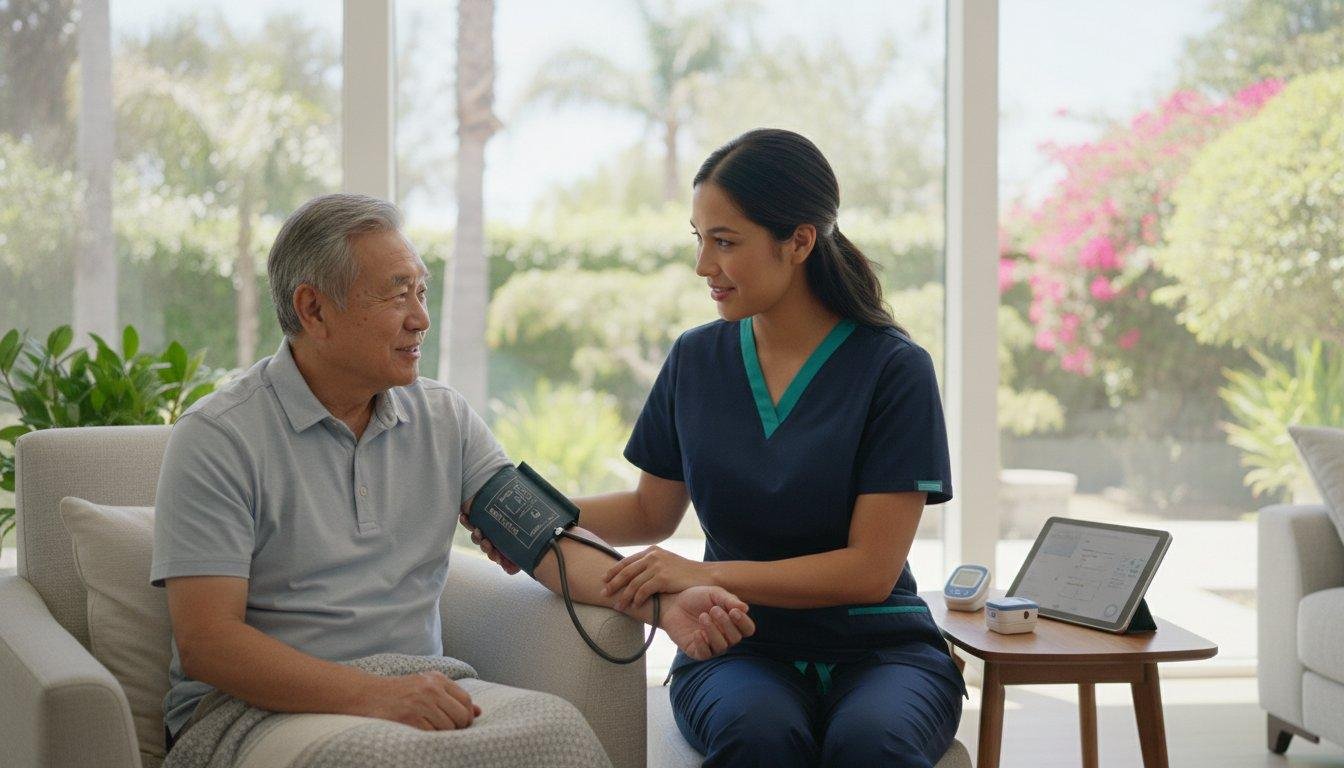
Registered Nurses (RNs) and Licensed Vocational Nurses (LVNs) form the backbone of this clinical support. RNs typically handle complex assessments and the overall management of the care plan, while LVNs provide essential technical support, such as administering medications and monitoring vital signs. This collaboration ensures that the patient receives constant, high-level oversight. Understanding Medicare’s official definition of skilled nursing care helps clarify why this multi-disciplinary team is required to meet specific clinical standards and safety protocols.
Beyond the physical aspects of healing, Medical Social Workers play a vital role in navigating the logistical and emotional complexities of long-term recovery. These professionals assist families with resource coordination, insurance navigation, and emotional support, ensuring that the home environment remains stable. This holistic approach reduces the stress on family caregivers, allowing them to focus on their loved one’s comfort and dignity.
The Role of the Registered Nurse (RN)
The RN acts as the primary care coordinator, serving as the essential bridge between the patient’s physician and the home health team. They are responsible for implementing the doctor-approved Plan of Care and conducting thorough clinical assessments during every visit. Their advanced training allows them to interpret complex medical data, manage high-stakes interventions, and make critical decisions regarding the patient’s health status. This level of expertise is necessary to maintain a safe environment and ensure that the patient’s recovery remains on a positive trajectory.
Integrating Rehabilitative Therapies
When skilled nursing care is paired with rehabilitative disciplines, the result is a more effective and durable recovery process. Therapists work in tandem with the nursing staff to ensure that medical stability translates into functional independence.
- Physical Therapy: In-home physical therapy focuses on restoring mobility, balance, and strength, which directly complements the nurse’s goal of maintaining physiological health and preventing falls.
- Occupational Therapy: These specialists help patients regain the ability to perform daily tasks safely. They work alongside nurses to ensure that adaptive equipment is used correctly to preserve the patient’s autonomy. Families seeking a deeper understanding of this discipline can learn how in-home occupational therapy Los Angeles professionals use to bridge the gap between hospital discharge and long-term independence.
- Speech Therapy: For patients with swallowing or communication disorders, speech-language pathologists provide targeted interventions that reduce the risk of aspiration and improve the patient’s ability to express their needs.
Skilled Nursing at Home vs. Facilities: Comparing Your Care Options
Choosing between a facility and home care is a pivotal decision for families managing a medical transition. While facilities offer centralized resources, home-based skilled nursing care provides a level of individualized attention that is difficult to replicate in a shared clinical setting. In a facility, staff members must manage the needs of multiple patients simultaneously. In contrast, a home health visit ensures that the clinician’s entire focus remains on a single individual’s physiological status and recovery trajectory.
Clinical outcomes often favor the home environment because of the significant reduction in exposure to hospital-acquired infections. Residential settings don’t harbor the same volume of treatment-resistant pathogens found in high-traffic medical wards, which reduces the patient’s risk of developing secondary complications. This controlled environment is particularly beneficial for post-surgical patients or those with compromised immune systems who require a sterile and stable setting for healing.
The psychological impact of remaining at home shouldn’t be underestimated. Recovering in a familiar space preserves a patient’s sense of identity and autonomy, which are often diminished in institutional settings. This emotional stability often translates into better physiological outcomes; patients frequently experience more restorative sleep and a greater willingness to participate in rehabilitative exercises when they feel secure in their own surroundings.
Safety and Quality Standards in the Home
A common misconception suggests that the home is less safe than a clinical facility for complex medical needs. However, professional home health agencies must adhere to rigorous state regulations and clinical standards that mirror those of institutional settings. Nurses bring professional-grade medical equipment into the residence, including advanced wound care supplies and diagnostic tools. This ensures that the technical quality of skilled nursing care remains high while the patient enjoys the comforts of their own residence.
Cost-Effectiveness and Insurance Coverage
Home health care is recognized by Medicare and private insurers as a highly cost-effective alternative to inpatient stays. To qualify for coverage, patients must typically meet specific criteria, such as being “homebound,” meaning that leaving the home requires a considerable and taxing effort. Because home visits focus on specific clinical needs without the overhead costs of a residential facility, they represent a sustainable and affordable model for long-term recovery and health maintenance.
If you’re evaluating the best environment for a loved one’s recovery, you can explore professional skilled nursing care options that bring clinical excellence directly to your door.
Navigating the Transition: How to Access Skilled Nursing in Los Angeles
Accessing skilled nursing care after a hospital stay involves a structured transition process designed to maintain clinical continuity. In Los Angeles, this journey typically begins with the hospital discharge planning team. These professionals evaluate the patient’s physiological status and provide a list of certified home health agencies capable of managing the required medical interventions. Families should actively participate in this selection to ensure the agency’s specific clinical expertise aligns with the patient’s long-term recovery goals. A patient-centered approach is vital, as it ensures the medical support respects the individual’s autonomy while maintaining rigorous health standards.
When evaluating agencies in North Hollywood, it’s essential to verify their licensure and clinical track record with state health departments. You want a partner that acts as a disciplined extension of your family’s care circle, prioritizing clinical excellence over logistical convenience. This involves selecting an organization that maintains transparent communication with the primary physician and demonstrates a stable, observant presence in the home. This methodical coordination prevents gaps in care that could lead to health setbacks or unnecessary hospital readmissions.
Questions to Ask a Potential Home Health Agency
Selecting the right clinical partner requires a thorough inquiry into their operational standards and professional capabilities. Families should feel empowered to ask specific questions to gauge the agency’s reliability. Consider these points during your evaluation:
- Are the clinicians specialized in the specific therapeutic disciplines required for the patient’s diagnosis?
- What are the agency’s protocols for response times during changes in a patient’s clinical status?
- Will a consistent team of Registered Nurses or Licensed Vocational Nurses be assigned to the case to ensure continuity of care?
- How does the agency document and share clinical progress with the patient’s primary physician?
Starting the Care Process with Everest Peak
The transition to home-based support begins with a comprehensive initial assessment conducted by a Registered Nurse. This clinical evaluation allows the team to identify specific health challenges and establish a doctor-approved Plan of Care. This document serves as a roadmap for the entire multi-disciplinary team, ensuring that every intervention is purposeful and outcome-oriented. Everest Peak maintains a commitment to clinical excellence and professional empathy, providing a stable path through the complexities of medical recovery. Contact Everest Peak Home Health Care for a clinical assessment today.
Securing a Safe Path for Long-Term Recovery
Professional recovery is defined by clinical excellence and the preservation of a patient’s dignity within their own environment. Transitioning to skilled nursing care at home allows for a level of individualized medical attention that institutional settings often struggle to provide. By integrating advanced wound management, medication reconciliation, and specialized rehabilitative therapies, a multi-disciplinary team ensures that clinical stability leads directly to improved functional independence and a higher quality of life. This structured approach provides families with the reassurance that their loved one’s health is being monitored by experts who prioritize both safety and autonomy.
Everest Peak Home Health Care is licensed by the California Department of Public Health and serves the communities of North Hollywood and the San Fernando Valley. Our comprehensive team of RNs, LVNs, and specialized therapists is dedicated to providing the rigorous medical oversight required for complex health challenges. We act as a professional extension of your family’s care circle, ensuring that every aspect of the recovery plan is executed with precision and steady support. You don’t have to navigate these medical transitions alone.
Request a Professional Home Health Consultation to learn how we can support your family’s journey toward a safe and effective recovery at home.
Frequently Asked Questions
Is skilled nursing care the same as a nursing home?
No, skilled nursing care refers to a specific level of medical service rather than a residential location. While nursing homes provide this care within their facilities, many patients now receive the same high level of medical supervision in their own residences. This approach allows for professional wound management or IV therapy without requiring the patient to live in a long-term care facility, which helps preserve their autonomy and comfort.
How do I know if my loved one qualifies for skilled nursing at home?
Eligibility is determined by a physician’s assessment of medical necessity. Your loved one typically qualifies if they require complex medical interventions that only a licensed professional can perform, such as sterile dressing changes or clinical observation of a new diagnosis. Most insurance providers also require the patient to be homebound, meaning that leaving the residence requires a taxing effort and the assistance of another person or specialized equipment.
Does Medicare pay for skilled nursing visits in California?
Medicare generally covers the full cost of intermittent skilled nursing care visits when they’re ordered by a physician and provided by a certified agency. In California, these services must be part-time and essential for treating an illness or injury. It’s important to verify that the patient meets the specific homebound criteria to ensure these clinical visits remain fully covered under the patient’s existing medical benefits.
Can a skilled nurse help with physical therapy at home?
While a nurse manages the medical aspects of recovery, they don’t perform the rehabilitative exercises themselves; instead, they coordinate with a licensed Physical Therapist. This multi-disciplinary approach ensures that clinical stability and physical rehabilitation happen simultaneously. The nurse monitors vital signs and medication efficacy while the therapist focuses on restoring mobility and balance, creating a comprehensive environment for a safe recovery at home.
What is the difference between an RN and a home health aide?
A Registered Nurse (RN) focuses on clinical assessment and medical interventions, while a home health aide provides custodial or personal care. RNs are responsible for high-stakes tasks like managing IV lines, coordinating with physicians, and performing diagnostic assessments. In contrast, aides assist with activities of daily living such as bathing and grooming. These roles work in tandem to support both the patient’s medical health and their physical dignity.
How often will a skilled nurse visit the home?
The frequency of visits is established by your physician within a formal Plan of Care. Some patients may require daily clinical oversight during the initial stage of a post-operative recovery, while others may only need a nurse to visit two or three times per week for medication management or wound observation. These visits are continually adjusted based on the patient’s progress and ongoing clinical needs to ensure optimal health outcomes.
What happens if a patient needs medical equipment like a walker or oxygen?
If a patient requires durable medical equipment, the home health team will conduct a professional assessment to determine specific needs and coordinate with external providers. While the agency doesn’t sell equipment like walkers or oxygen tanks directly, they ensure that the patient’s home is safely configured with the necessary tools for recovery. The clinical team then provides instruction on how to use this equipment safely to prevent falls or respiratory complications.
Can skilled nursing care be provided for chronic conditions like diabetes?
Yes, skilled nursing care is frequently utilized to manage chronic conditions that require specialized medical oversight or education. For a patient with diabetes, a nurse might provide advanced wound care for ulcers, teach the family how to administer insulin, or monitor the patient for signs of hyperglycemia. This professional support helps stabilize chronic health challenges and reduces the risk of emergency complications that would otherwise lead to hospital visits.