
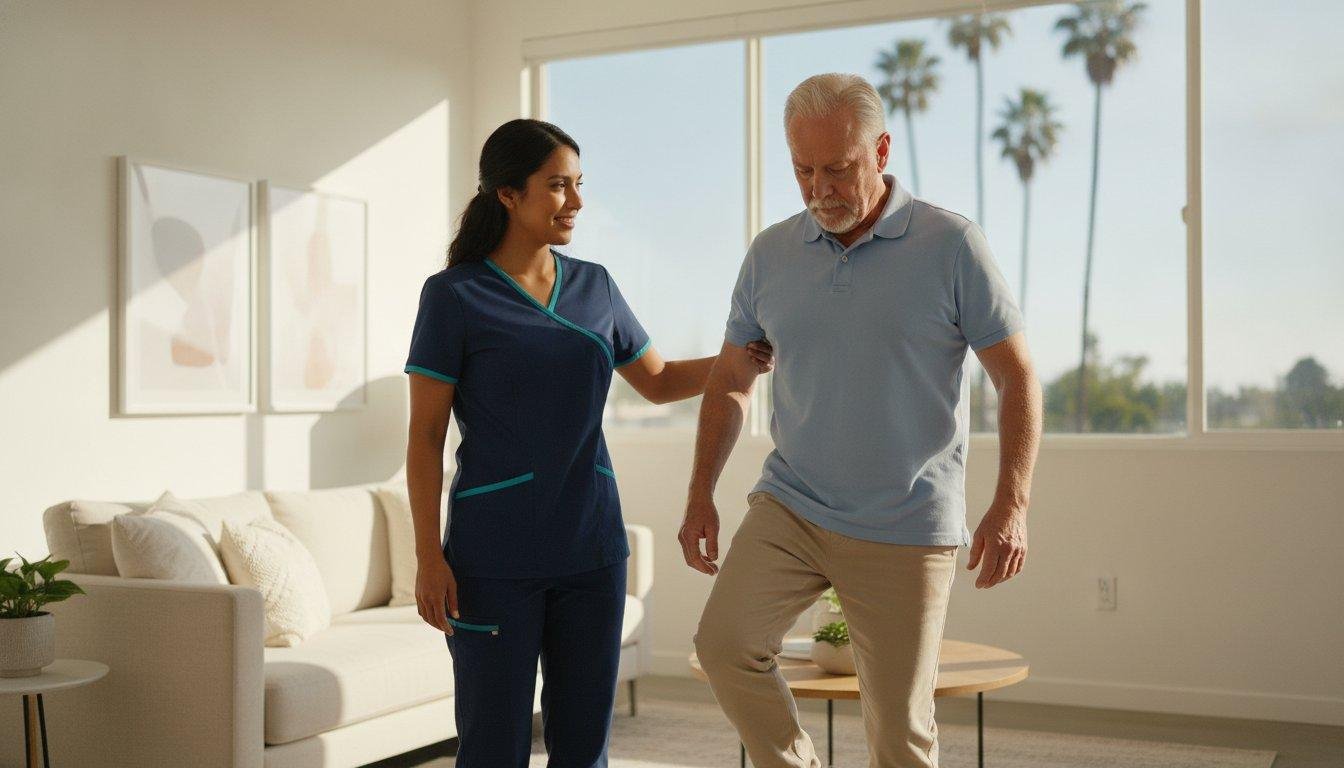
Imagine the physical and emotional strain of attempting to navigate a steep driveway or a narrow vehicle door just days after a major orthopedic surgery. For many families in the San Fernando Valley, the logistical challenge of transporting a patient to a traditional clinic often creates more anxiety than the recovery itself. You likely worry about the immediate risk of a fall during transit or feel a sense of uncertainty regarding how to properly implement complex post-operative protocols in a domestic setting. It’s natural to seek the stability of a clinical environment while wishing for the privacy and dignity of your own home.
Securing professional in-home physical therapy North Hollywood services ensures that your recovery is both medically sound and physically accessible. By integrating specialized clinical care into your daily environment, this approach facilitates a faster return to function while prioritizing patient safety. This article explores how licensed therapists provide the rigorous oversight needed to prevent complications and restore independence. You’ll learn how a customized plan of care transforms your residence into a secure space for healing, allowing you to focus on progress without the burden of travel.
Key Takeaways
- Professional in-home physical therapy North Hollywood provides one-on-one clinical attention, allowing therapists to tailor exercises to the specific stairs and furniture you use every day.
- You’ll learn how a thorough environmental assessment identifies and mitigates fall hazards in your home, which is critical for a safe post-operative recovery.
- Preparing for your first session is simple; just clear a small, safe movement area and gather your current medication list to ensure a comprehensive clinical evaluation.
- Effective recovery often requires an integrated approach that combines specialized therapy with skilled nursing to ensure all clinical needs are addressed simultaneously.
The Role of In-Home Physical Therapy in North Hollywood
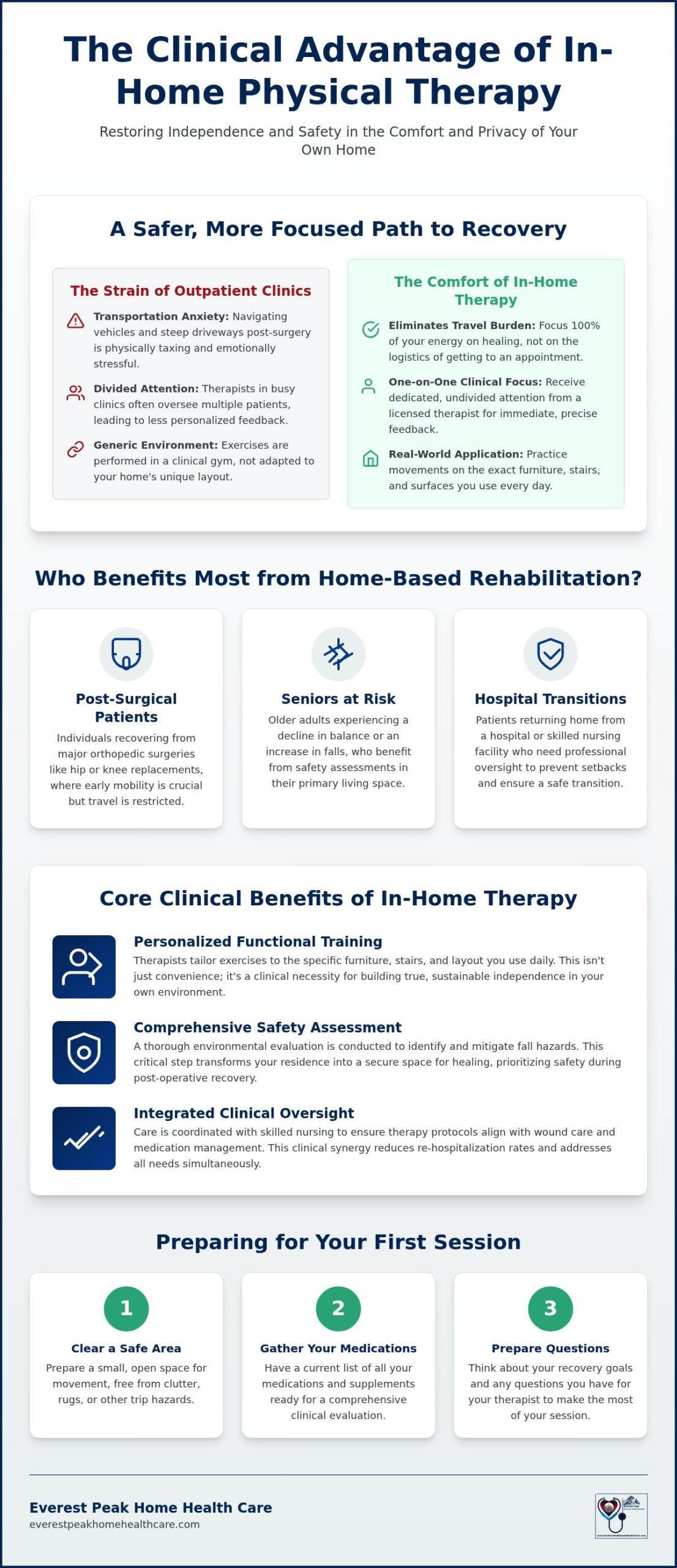
In-home physical therapy North Hollywood serves as a vital bridge between acute hospital care and long-term independence. Unlike general fitness coaching or basic personal care assistance, this is a formal clinical service designed to restore strength and mobility through evidence-based protocols. Many North Hollywood residents find that traveling to a busy outpatient clinic in the San Fernando Valley is physically taxing and potentially hazardous, especially when dealing with post-surgical pain or severe balance issues. By bringing the clinic to the residence, patients can focus their energy on the actual rehabilitation process rather than the logistics of transportation.
The primary advantage of this model is the focus on functional mobility within the patient’s specific environment. Clinical visits prioritize the movements that matter most in daily life. This includes safely navigating the exact height of a patient’s favorite chair, managing the specific layout of their kitchen, or practicing gait patterns on their own hallway flooring. While standard personal care focuses on completing daily tasks for the patient, physical therapy empowers the individual to perform those tasks themselves. It’s a shift from passive assistance to active recovery.
Who Benefits Most from Home-Based Rehabilitation?
Certain populations in our community find clinical home visits particularly effective. This includes:
- Post-Surgical Patients: Individuals recovering from major orthopedic procedures, such as total hip or knee replacements, where early mobility is crucial but travel is restricted.
- Seniors at Risk: Older adults who’ve experienced a recent decline in balance or an increase in fall frequency benefit from specialized assessments conducted in their primary living space.
- Hospital Transitions: Individuals transitioning from a hospital or a skilled nursing facility back to their North Hollywood homes require professional oversight to ensure they don’t experience a setback.
Meeting Clinical Standards in a Residential Setting
The quality of care provided at home must mirror the rigor of a traditional hospital setting. Licensed physical therapists conduct comprehensive medical assessments to monitor vital signs, wound healing, and range of motion during every visit. Rehabilitative therapy is a structured clinical intervention for restoring physical function. These therapists ensure that every session aligns with the physician’s directed care plan, maintaining a clear line of communication with the broader medical team. This level of coordination ensures that recovery isn’t just about movement; it’s about achieving measurable clinical milestones safely and effectively. Using in-home physical therapy North Hollywood allows for a highly disciplined approach to recovery that respects the patient’s dignity while maintaining strict medical standards.
Clinical Benefits of Professional Rehabilitative Therapy at Home
One-on-one attention is the cornerstone of clinical efficacy in a residential setting. Unlike outpatient facilities where a single therapist might oversee multiple patients simultaneously, in-home physical therapy North Hollywood provides an environment free from the distractions and noise of a high-volume clinic. This dedicated focus allows for immediate, granular feedback on movement patterns, which is essential for preventing secondary injuries during the early stages of recovery. Because the therapist’s attention isn’t divided, they can observe subtle changes in a patient’s gait or posture that might otherwise go unnoticed in a crowded gym.
The integration of physical therapy with other medical services creates a more robust safety net for the patient. By coordinating with professionals providing skilled nursing care, therapists ensure that exercise protocols don’t interfere with wound healing or medication management. This clinical synergy is a primary factor in reducing re-hospitalization rates. When a therapist monitors physical response and vital signs in real-time, they act as an early warning system for potential complications. Families looking for this level of specialized oversight can explore comprehensive home health options to support a loved one’s recovery journey.
Improving Functional Independence and Safety
Training on the specific stairs and furniture a patient uses daily isn’t just a convenience; it’s a clinical necessity. Los Angeles residential layouts often present unique challenges, such as steep entryways, narrow bathroom transitions, or varied flooring surfaces. Therapists develop strength and endurance specifically for these Activities of Daily Living (ADLs). By practicing transfers and ambulation in the actual environment where they occur, patients gain the confidence and muscle memory needed for long-term independence. This personalized approach ensures that every exercise has a direct, practical application to the patient’s life.
The Science of In-Home Recovery
The efficacy of in-home physical therapy North Hollywood is rooted in the principles of neurological and muscular adaptation. Consistent, structured sessions in a familiar environment help the brain more effectively integrate new motor patterns into daily routines. This is particularly beneficial for managing chronic conditions or recovering from neurological events. During each session, the therapist’s role includes:
- Vital Sign Monitoring: Tracking heart rate and oxygen saturation during exertion to ensure safety.
- Neuromuscular Re-education: Using targeted exercises to restore proper movement mechanics.
- Pain Management: Implementing therapeutic techniques to reduce reliance on analgesic medications.
This methodical approach ensures that recovery is not only faster but also more sustainable, providing a clear path toward regained autonomy.
Addressing Recovery Challenges: Surgery, Falls, and Balance
Transitioning from a facility like a local surgical center back to a North Hollywood residence requires a disciplined clinical strategy. The first few weeks following discharge represent a high-risk window where the lack of professional oversight can lead to setbacks or readmissions. In-home physical therapy North Hollywood addresses these challenges by providing specialized care that targets the specific physiological demands of recovery. Whether a patient is managing the aftermath of a major surgery or dealing with a progressive neurological condition, the goal remains the same: to restore safe, functional movement within the home.
Clinical data from 2026 indicates that post-surgical rehabilitation remains a leading application for home-based therapy, accounting for approximately 33.1% of all cases. This highlights the necessity of structured intervention during the most vulnerable phases of healing. By focusing on evidence-based protocols, therapists help patients navigate the complexities of their recovery with quiet confidence and professional support.
Post-Surgical Rehabilitation in North Hollywood
The first 30 days after a hip or knee replacement are critical for establishing a foundation of mobility. During this period, patients often struggle with post-operative edema and significant pain, which can discourage necessary movement. Therapists implement specific positioning techniques and therapeutic exercises to manage these symptoms without over-relying on medication. Post-operative care in 2026 emphasizes early mobilization to prevent complications. By starting gentle range-of-motion exercises within the first 48 hours of returning home, patients can significantly reduce the risk of joint stiffness and deep vein thrombosis.
Evidence-Based Fall Prevention for Seniors
For the geriatric population, which represents nearly 36.7% of the homecare market, falling is a primary concern that threatens independence. A licensed therapist begins by conducting a clinical home safety assessment to identify environmental trip hazards like loose rugs or poor lighting in transition areas. Beyond environmental changes, the focus shifts to the patient’s internal stability. Targeted exercises improve proprioception, the body’s ability to sense its position, and strengthen core muscles. Gait training is also essential; it ensures that patients can safely navigate different surfaces, from thick carpeting to tiled bathroom floors, with the appropriate assistive devices.
Neurological conditions, such as Parkinson’s or recovery from a stroke, require a different clinical lens. In these cases, in-home physical therapy North Hollywood focuses on neuromuscular re-education to help the brain and body communicate more effectively. Therapists use repetitive, task-specific training to help patients regain the ability to perform daily routines. This methodical approach doesn’t just improve physical strength; it restores the patient’s confidence in their own ability to move safely through their world.
Preparing for Your First In-Home Physical Therapy Session
Preparing for the arrival of a clinician involves a few practical steps to ensure the first visit is productive and focused on the patient’s recovery. Unlike a clinic visit where the environment is already controlled, in-home physical therapy North Hollywood requires a brief collaborative effort to transform a living space into a temporary clinical setting. This preparation helps the therapist focus entirely on the patient’s physical needs from the moment they arrive.
- Step 1: Clear a small, safe area for movement. You don’t need a dedicated gym; a living room or bedroom with enough space for a therapist to stand beside the patient is sufficient. Remove loose rugs or small furniture that could impede gait or cause a trip.
- Step 2: Gather medical records and medication lists. The therapist must review surgical notes, discharge summaries, and physician orders. Having a comprehensive list of current medications ensures the therapy protocol is safe and doesn’t conflict with other clinical treatments.
- Step 3: Ensure a caregiver or family member is present. Having a support person during the initial consultation helps with information retention. It also ensures that home exercise programs are performed correctly between professional visits.
- Step 4: Set realistic recovery goals. The therapist will work with you to define short-term milestones, such as safely reaching the bathroom, and long-term goals, like regaining the ability to walk to a neighborhood park.
The Initial Clinical Assessment Process
During the first visit, the therapist conducts a thorough evaluation to establish a functional baseline. This includes measuring range of motion, testing muscle strength, and assessing neurological status. By reviewing physician orders alongside these physical findings, the clinician creates a structured path forward. This baseline is vital for tracking progress and justifying the medical necessity of ongoing treatment. It ensures that every intervention is purposeful and data-driven.
Collaborating with Your Care Team
A successful recovery depends on clear communication between all medical professionals involved. The therapist provides regular updates to the primary physician, ensuring the medical team stays informed of functional gains or emerging clinical concerns. Family education is equally important; therapists teach caregivers how to assist with mobility safely, which prevents caregiver strain. If the assessment reveals challenges with fine motor skills or cognitive tasks, the clinician can help identify when additional services like occupational therapy are required. To begin your clinical recovery in a familiar environment, you can schedule an initial evaluation with a licensed professional today. Using specialized in-home physical therapy North Hollywood services ensures that your entire care team remains aligned on your recovery trajectory.
Why Everest Peak is the Trusted Choice for North Hollywood Families
Everest Peak Home Health Care operates with a deep rooted commitment to the North Hollywood community, providing a level of clinical rigor typically reserved for inpatient hospital settings. By choosing in-home physical therapy North Hollywood through a local agency, families benefit from clinicians who are intimately familiar with the specific needs and residential layouts of the Los Angeles area. Our team maintains a disciplined, unhurried rhythm of care that prioritizes the preservation of patient dignity. This professional empathy ensures that every session is not merely a checklist of exercises, but a supportive step toward regaining autonomy. We believe that stability in the home environment is the foundation for any successful medical transition.
Our Multi-Disciplinary Support System
Recovery is a complex process that often requires more than a single clinical perspective. Our multi-disciplinary support system creates a comprehensive safety net by integrating physical therapy with skilled nursing and medical social services. Medical social workers provide essential guidance, helping families navigate the emotional and logistical challenges that accompany major health transitions. This is complemented by the synergy between physical and occupational therapy; while the physical therapist focuses on gross motor skills and gait stability, the occupational therapist addresses the fine motor skills required for independence. This integrated approach ensures a seamless transition for patients moving from a hospital or skilled nursing facility back to their private residence; it’s a process that requires meticulous coordination between every specialist involved.
Getting Started with Everest Peak
Initiating a home health assessment in North Hollywood is a straightforward process designed to reduce stress for the family. A licensed professional conducts the initial evaluation to determine the specific clinical needs of the patient and establish a personalized plan of care. We maintain active communication with the patient’s primary physician to ensure that all rehabilitative goals remain aligned with their broader medical strategy. Our administrative team also assists in coordinating with Medicare and various insurance providers to facilitate the delivery of necessary services. Contact Everest Peak today to discuss your in-home physical therapy needs. By choosing a partner dedicated to clinical excellence, you ensure that every aspect of the recovery journey is managed with professional oversight and steady support. Using specialized in-home physical therapy North Hollywood services allows your loved one to heal where they feel most secure.
Advancing Your Path to Functional Independence
Achieving a safe and sustainable recovery requires more than just basic exercise; it demands a structured, clinical approach that respects the unique environment of your home. By choosing in-home physical therapy North Hollywood, you ensure that every rehabilitative milestone is met with professional oversight and medical precision. This approach transforms your residence into a secure space for healing, focusing on the specific movements that restore your daily independence while eliminating the physical risks associated with clinical travel.
Our licensed clinical team serves the greater Los Angeles area with a focus on comprehensive post-operative and rehabilitative care plans. Through expert coordination with primary care physicians, we ensure your recovery remains medically sound and highly personalized. Stability and safety are the foundations of long-term health, and professional intervention is the key to achieving both. Schedule a Clinical Home Health Assessment with Everest Peak today to discuss your recovery goals. We’re ready to act as your dependable partner in restoring the strength and mobility you deserve.
Frequently Asked Questions
Is in-home physical therapy in North Hollywood covered by Medicare?
Yes, Medicare Part B typically covers in-home physical therapy when it’s deemed medically necessary and the patient is considered homebound. In 2026, the Medicare Part B deductible is $283; after this is met, patients generally pay a 20% coinsurance for outpatient services. Our administrative team coordinates with Medicare to verify your specific eligibility and coverage limits, ensuring that your rehabilitative care aligns with federal guidelines and physician-directed plans.
How many times a week will a physical therapist visit my home?
The frequency of visits depends on your clinical needs and the specific goals outlined in your physician’s plan of care. Most patients receive two to three sessions per week during the initial phase of recovery. This schedule allows for consistent monitoring of physical response and vital signs while providing enough time for muscular adaptation between sessions. As you gain strength and meet functional milestones, the therapist may adjust the frequency of visits accordingly.
Do I need a doctor’s referral for in-home physical therapy?
Yes, a physician’s referral is required to initiate in-home physical therapy North Hollywood services to ensure the treatment is medically supervised. This referral allows the therapist to align their rehabilitative protocols with your doctor’s specific surgical notes or medical history. We work directly with your primary care provider or surgeon to obtain the necessary orders and provide them with regular progress reports, ensuring a high level of clinical coordination throughout your recovery.
What is the difference between home health physical therapy and outpatient therapy?
The primary difference lies in the setting and the level of environmental customization. Outpatient therapy occurs in a clinic with specialized gym equipment, while home health therapy focuses on functional mobility within your actual living space. In-home physical therapy North Hollywood allows for one-on-one attention without the distractions of a busy clinic. This setting is ideal for homebound patients who find travel difficult or who need to practice safe navigation of their own stairs and furniture.
Can physical therapy help with balance issues and fall prevention for seniors?
Specialized therapy is highly effective for improving balance and preventing falls among the geriatric population. A licensed therapist conducts a clinical home safety assessment to identify trip hazards while implementing exercises that improve core stability and proprioception. These sessions focus on gait training and safe transfers, which are essential for maintaining independence. By addressing both environmental risks and physical deficits, we help seniors navigate their homes with increased confidence and reduced risk of injury.
What equipment does the therapist bring to my home in North Hollywood?
Therapists bring portable clinical tools designed to facilitate a wide range of rehabilitative exercises within a residential setting. This often includes resistance bands, ankle weights, balance pads, and goniometers for measuring joint range of motion. They also utilize your home’s existing features, such as sturdy chairs or staircases, to ensure the training is practical and functional. You don’t need to purchase any specialized medical equipment, as the therapist adapts their tools to your specific environment.
How long does each in-home physical therapy session last?
A typical session lasts approximately 45 to 60 minutes, depending on the patient’s endurance and the complexity of the treatment plan. This duration allows enough time for a thorough assessment of vital signs, a review of the home exercise program, and the performance of targeted therapeutic movements. The therapist maintains a methodical, unhurried pace to ensure each exercise is performed with proper mechanics, prioritizing your safety and the clinical efficacy of the intervention.
Will the same therapist visit me for every session?
We strive for continuity of care by assigning a consistent therapist to manage your recovery journey whenever possible. Having the same clinician for each session allows for a deeper understanding of your physical progress and builds a trusting professional relationship. This stability is crucial for accurately tracking subtle improvements in mobility and strength over time. It also ensures that the therapist remains intimately familiar with your home environment and your specific functional challenges.