
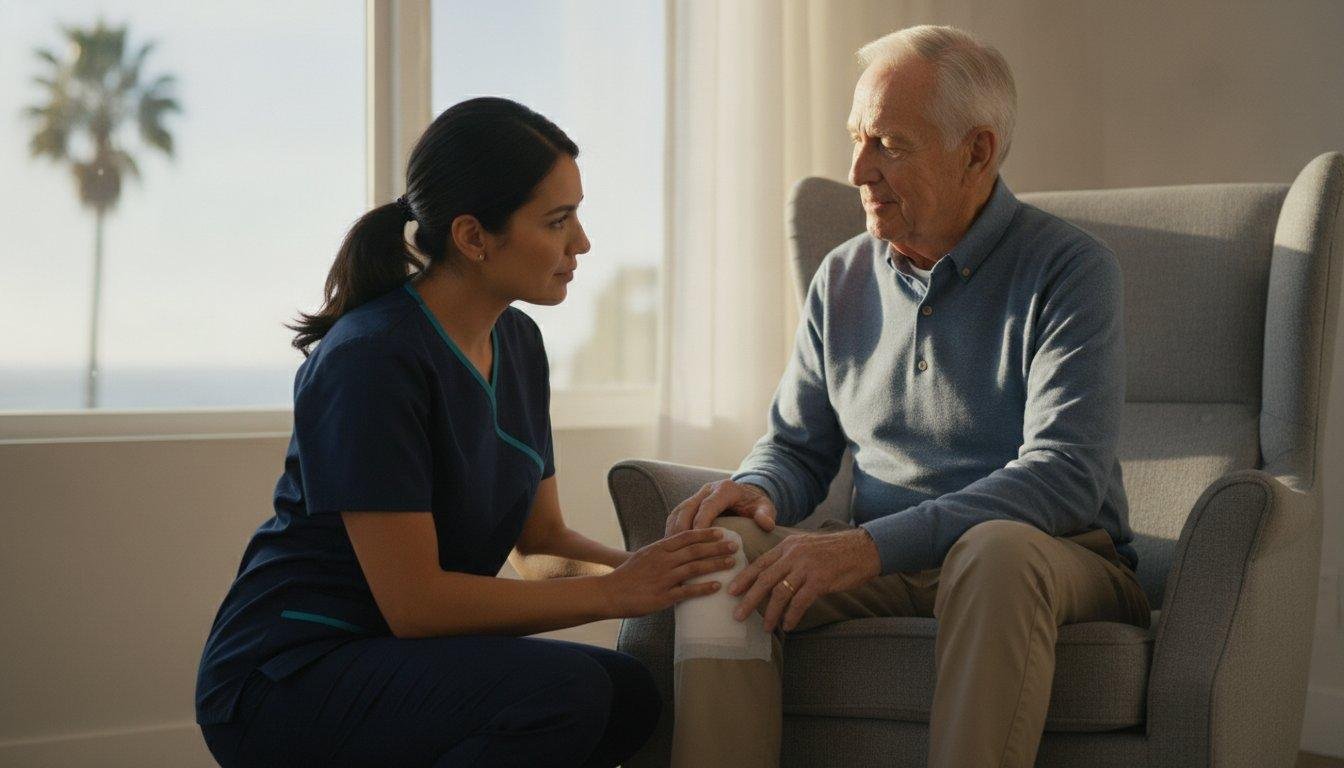
Is the success of your surgical procedure determined in the operating room or in the critical days following discharge? While a surgeon’s skill is paramount, the transition to home-based post-operative care Los Angeles patients receive often dictates the speed and safety of their long-term recovery. It’s natural to feel a sense of apprehension as you trade the 24-hour monitoring of a hospital for the quiet of your own bedroom. You might worry about managing complex medication schedules, identifying early signs of infection, or simply regaining the mobility needed for daily tasks.
We understand that this transition requires more than just a helping hand; it demands a disciplined clinical framework. This guide provides the professional confidence you need to navigate your recovery by outlining exactly how skilled nursing and rehabilitative therapy work together to prevent hospital readmission. You’ll learn the vital differences between clinical nursing and basic caregiving, how to structure your home environment for safety, and what to expect from an interdisciplinary team of therapists dedicated to your independence.
Key Takeaways
- Understand why the first 72 hours following hospital discharge represent the most critical window for preventing medical complications and readmission.
- Learn how professional post-operative care Los Angeles patients receive utilizes skilled nursing to provide essential wound management and clinical monitoring.
- Discover the specific roles that Physical and Occupational Therapy play in restoring independent mobility and the ability to perform daily activities safely.
- Identify essential modifications for your home environment, including the setup of a dedicated recovery station, to minimize the risk of falls during your convalescence.
- Recognize the value of a physician-coordinated, interdisciplinary approach that integrates multiple clinical specialties into a single, cohesive care plan.
Navigating the Transition: Post-Operative Care in Los Angeles
The moment you leave the hospital, the clinical responsibility for your health shifts from a controlled facility to your home environment. This transition marks the beginning of the post-operative period, a phase where precise medical management is essential for long-term health. While discharge papers provide a roadmap, the actual journey of recovery involves managing pain, monitoring wounds, and slowly regaining strength. For many, this bridge between the hospital and full independence is the most vulnerable time in their medical journey.
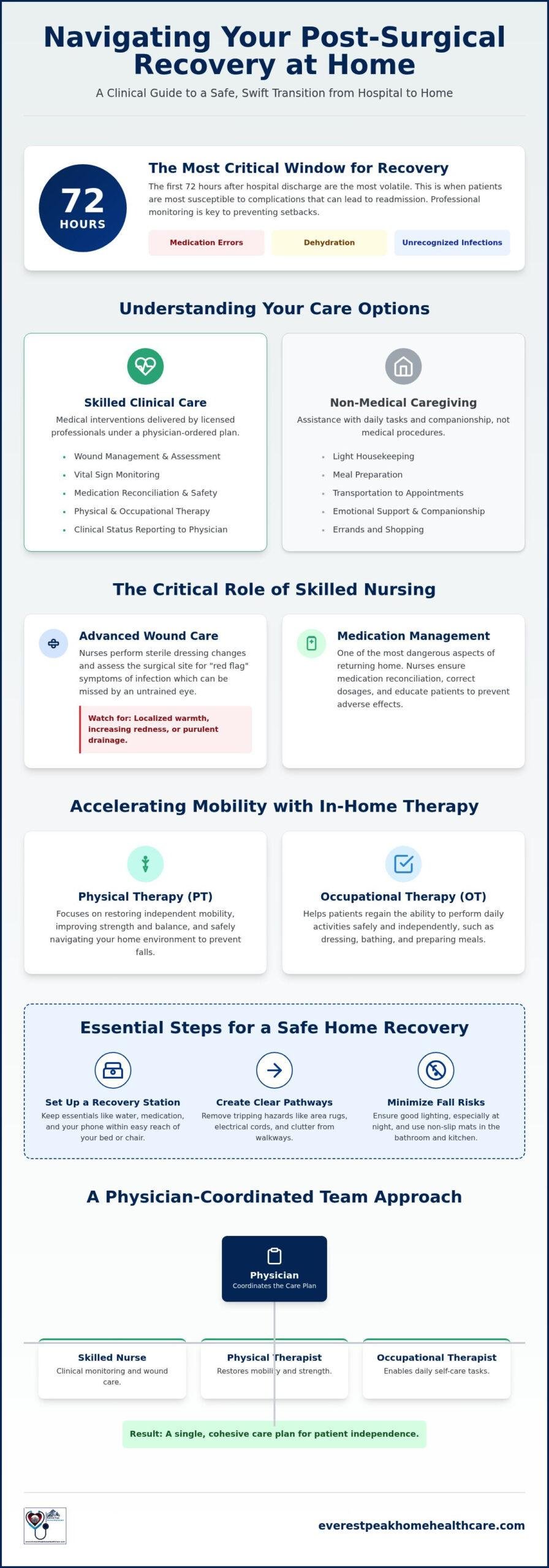
Clinical research into hospital readmission rates consistently points to the first 72 hours as the most volatile window. During this time, patients are most susceptible to medication errors, dehydration, or unrecognized signs of infection. Professional post-operative care Los Angeles families choose acts as a medical safety net, ensuring that the progress made in the operating room isn’t lost during the first few days at home. In a metropolitan area like Los Angeles, the logistics of recovery are uniquely complex. High-volume hospitals discharge patients into a city where traffic and distance can turn a simple follow-up appointment into a multi-hour ordeal. Clinical home health care solves this by bringing the expertise of the clinic directly to your residence.
What is Clinical Post-Operative Home Care?
Clinical care differs significantly from non-medical aftercare or companionship. While a caregiver might assist with light housekeeping or meal preparation, a clinician provides skilled medical interventions such as wound care, vital sign monitoring, and physical therapy. These services are delivered through physician-ordered care plans that dictate specific frequencies and goals for your improvement. Post-operative care is a clinical intervention designed to restore patient autonomy. It operates on a per-visit model, providing targeted expertise when it’s most needed rather than requiring an expensive, around-the-clock facility stay.
Why Professional Support Matters in LA
The primary benefit of professional monitoring is the early detection of complications, particularly surgical site infections. An experienced nurse can identify subtle changes in a wound’s appearance or a patient’s temperature before they escalate into an emergency. For families in North Hollywood and the San Fernando Valley, this support also alleviates the immense pressure on family caregivers. Utilizing professional post-operative care Los Angeles services allows the family to focus on emotional support while the clinical team handles the technical aspects of recovery. This structured approach provides a clear, documented path toward healing that keeps both the patient and their primary physician informed every step of the way.
The Critical Role of Skilled Nursing in Surgical Recovery
While a comfortable environment is helpful, the success of your recovery depends on clinical vigilance. Registered Nurses (RNs) and Licensed Vocational Nurses (LVNs) provide the medical oversight necessary to identify complications before they require emergency intervention. When arranging post-operative care Los Angeles residents should prioritize clinical expertise over simple companionship to ensure a safe transition. During a home visit, an RN conducts a comprehensive physical assessment, evaluates the surgical site, and reviews all physiological systems. Unlike non-medical caregivers, a nurse possesses the training to interpret subtle changes in vital signs that indicate a shift in your clinical status.
Advanced Wound Care and Assessment
Proper management of a surgical incision is more complex than simply changing a bandage. Skilled nurses perform sterile dressing changes while evaluating the wound for signs of dehiscence or infection. They look for specific “red flag” symptoms, such as localized warmth, increasing erythema, or purulent drainage, which might be missed by an untrained eye. This level of clinical assessment is a cornerstone of safe home recovery after surgery. Nurses also educate patients on how to maintain hygiene and protect the incision during bathing without compromising the healing tissue. This education empowers you to participate in your own recovery while maintaining the integrity of the surgical site.
Medication Management and Safety
One of the most dangerous aspects of returning home is medication reconciliation. Patients often leave the hospital with new prescriptions that must be integrated with their existing medications. An RN ensures that pain management protocols are followed precisely to prevent adverse drug interactions or respiratory depression. They coordinate directly with the surgeon’s office to adjust dosages based on the patient’s reported pain levels and vital signs. This structured approach to Skilled Nursing Care ensures that complex post-hospitalization regimens are managed with clinical precision. By monitoring blood pressure, heart rate, and oxygen saturation, nurses provide early detection of complications like deep vein thrombosis or pulmonary embolism. These are critical risks in the weeks following a procedure, and having a clinician in the home provides the peace of mind that no symptom is overlooked.
Accelerating Mobility with In-Home Rehabilitative Therapy
Restoring independence after surgery requires more than just biological healing; it demands a structured return to physical activity. While skilled nursing manages the clinical stability of the patient, rehabilitative therapy focuses on the restoration of function. For those seeking the post-operative care Los Angeles providers offer, the primary advantage of home-based therapy is the ability to practice mobility within your actual living environment. In a controlled facility, patients often walk on perfectly level, unobstructed surfaces that don’t reflect the reality of their homes. In-home therapy allows clinicians to address real-world obstacles like area rugs, narrow doorways, and specific staircases, ensuring that your progress translates directly to daily safety.
Physical Therapy: Restoring Strength and Range of Motion
Physical Therapy (PT) is a cornerstone of recovery for orthopedic and cardiac procedures. Following a total hip or knee replacement, a Physical Therapist develops a customized exercise program designed to strengthen the supporting musculature and increase the joint’s range of motion. These sessions include gait training, where the therapist ensures the patient is using assistive devices like walkers or canes correctly to prevent compensatory injuries. Beyond just muscle strength, Physical Therapy serves a vital systemic role in the early stages of healing. Engaging in regular Physical Therapy reduces the risk of blood clots and pneumonia post-surgery by promoting circulation and encouraging deep respiratory effort during activity.
Occupational Therapy: Adapting the Environment for Independence
Occupational Therapy (OT) focuses on the “occupations” of daily life, which include essential Activities of Daily Living (ADLs) such as bathing, dressing, and grooming. An Occupational Therapist evaluates how a patient interacts with their home and teaches modified techniques to maintain autonomy while adhering to post-surgical precautions. This might involve learning how to dress without bending past a 90-degree angle after hip surgery or identifying energy conservation strategies for cardiac patients who experience fatigue. By integrating Occupational Therapy into post-operative care Los Angeles, patients can proactively identify necessary home modifications. The therapist may recommend the installation of grab bars or the use of a shower chair to minimize fall risks during the most vulnerable stages of recovery. This comprehensive assessment ensures that the home becomes a therapeutic space that supports, rather than hinders, the patient’s journey toward independence.
Essential Steps for a Safe Home Recovery Environment
A successful recovery depends as much on your surroundings as it does on clinical intervention. Before you arrive home, your physical space must be audited to accommodate temporary mobility limitations. Choosing the right post-operative care Los Angeles families trust often begins with a thorough home safety assessment. Clearing wide, unobstructed pathways is the first priority; even small area rugs or loose cords can become significant hazards when using a walker or cane. Proper lighting in hallways and bathrooms is equally vital, especially for nighttime medication schedules. Bathroom accessibility is a critical safety factor; installing a raised toilet seat or a non-slip bath mat can prevent the sudden strain that often leads to surgical site complications.
We recommend setting up a “recovery station” in the room where you’ll spend the most time. This station should centralize everything you need within arm’s reach: current medications, a bottle of water, a phone, and your discharge instructions. A well-organized station prevents the anxiety of searching for essentials while in pain. It should also include a log to track medication times, which helps avoid double-dosing or missed doses. To ensure your home is clinically prepared for a safe return, consider arranging professional post-operative care before your discharge date.
The First 48 Hours: A Clinical Checklist
The first 48 hours following discharge are a period of high clinical risk, often referred to as the “transitional care” window. Upon arrival, a skilled nurse should review your hospital discharge papers to ensure all physician orders are understood and correctly implemented. This review includes establishing a definitive schedule for Physical Therapy and nursing visits to create a structured rhythm of care. It’s also the time to clarify roles within the household. While family members provide essential emotional support and assistance with daily meals, the clinical team handles specialized tasks like wound assessment, vital sign monitoring, and medication reconciliation. This distinction ensures that your medical needs are never compromised by the logistical demands of daily life.
Managing Pain and Emotional Wellness
Recovering in a familiar environment offers a profound psychological advantage that institutional facilities cannot replicate. Being in your own space reduces the “hospital delirium” often seen in older adults and lowers overall anxiety levels. However, the emotional stress of recovery can still be taxing for both the patient and their family. Medical social workers can bridge this gap by providing resources and counseling to navigate the logistical and emotional hurdles of a long-term recovery. Maintaining a steady rhythm of professional visits ensures that clinical needs are met without overwhelming the household’s daily life. By integrating the post-operative care Los Angeles providers offer into your discharge plan, you create a stable environment where the primary focus remains on healing and the restoration of your independence.
Professional Post-Operative Care with Everest Peak Home Health Care
Everest Peak Home Health Care operates as a clinical extension of your surgical team, providing the structured, interdisciplinary framework necessary for a successful homecoming. We deliver the specialized post-operative care Los Angeles patients require by integrating skilled nursing, physical therapy, and occupational therapy into a single, cohesive care circle. Every intervention we perform is guided by a physician-coordinated care plan, ensuring that our clinical actions align perfectly with your surgeon’s specific protocols. This professional alignment reduces the risk of recovery setbacks and provides a clear, documented path toward the restoration of your health.
Our per-visit clinical model offers a focused and flexible alternative to expensive 24/7 residential facility stays. Instead of around-the-clock companionship, we provide targeted medical encounters designed to achieve specific rehabilitative milestones. Each visit from our Licensed Registered Nurses (RNs) or therapists is an opportunity to assess your progress, manage clinical needs, and adjust your care plan as you regain strength. This approach prioritizes your dignity and independence, allowing you to recover in the comfort of your own home while receiving the same high standard of medical oversight found in a clinical setting.
Serving the San Fernando Valley and Greater Los Angeles
Based in North Hollywood, our agency possesses a deep understanding of the local healthcare landscape across the San Fernando Valley and the Greater Los Angeles area. We maintain direct communication channels with local surgeons and hospital discharge planners to facilitate seamless transitions for our patients. Our local presence allows for responsive scheduling, ensuring that professional monitoring begins the moment you arrive home from the hospital. By coordinating closely with your existing medical providers, we ensure that no detail of your surgical aftercare is overlooked during the transition process.
How to Begin Your Recovery Journey
Initiating home health services is a structured process that typically begins before you leave the hospital. Your surgeon or hospital discharge planner will provide a referral for skilled home health services based on your medical necessity. Once we receive this referral, our team schedules an initial clinical assessment visit at your residence. During this first encounter, a clinician performs a comprehensive evaluation of your physical status, reconciles your medications, and identifies any environmental hazards in your home. This assessment serves as the foundation for your customized recovery plan. If you are preparing for an upcoming surgery, we invite you to Contact Everest Peak Home Health Care for a clinical consultation to discuss how our professional team can support your safe return to independence.
Securing Your Path to Full Independence
The journey from hospital discharge to full recovery is more than a matter of time; it is a matter of clinical precision. As we have explored, the integration of professional monitoring, rehabilitative therapy, and environmental safety creates a stable foundation for healing. By prioritizing high-standard post-operative care Los Angeles residents can confidently navigate the critical weeks following surgery while significantly reducing the risk of hospital readmission and long-term complications.
At Everest Peak Home Health Care, our licensed clinical interdisciplinary team is dedicated to serving North Hollywood and the Greater LA area with physician-coordinated care plans. We focus on providing the expert oversight necessary to preserve your dignity and autonomy throughout the healing process. You don’t have to manage this transition alone. Schedule a Clinical Home Health Consultation to ensure your recovery is managed with the professional rigor it requires. We look forward to supporting your steady progress toward a healthier, more mobile future.
Frequently Asked Questions
Does insurance or Medicare cover post-operative home health care in Los Angeles?
Medicare and most private insurance plans cover post-operative home health care when it is deemed medically necessary and ordered by a physician. Coverage typically includes skilled nursing and rehabilitative therapies on a per-visit basis. Patients must generally meet specific eligibility requirements, such as being homebound, to qualify for these benefits. It is advisable to verify your specific plan’s benefits regarding post-operative care Los Angeles services before your surgery date to ensure a smooth transition and avoid unexpected costs.
What is the difference between a home health nurse and a personal caregiver?
A home health nurse is a licensed clinical professional, such as a Registered Nurse (RN), who provides medical interventions like wound care and medication management. In contrast, a personal caregiver generally provides non-medical assistance with daily tasks like meal preparation or light housekeeping. Home health focuses on clinical recovery and the restoration of physical function under a doctor’s supervision, while caregiving focuses on companionship and general lifestyle support during your recovery.
How many times a week will a physical therapist visit my home after surgery?
The frequency of physical therapy visits is determined by your surgeon’s orders and your specific clinical needs. Typically, patients receive two to three visits per week during the initial phase of recovery. These sessions focus on gait training, strengthening exercises, and improving range of motion. As you regain mobility and meet your rehabilitative goals, the frequency may be adjusted to support your transition toward independent activity and long-term physical health.
Do I need a doctor’s referral to start post-operative care with Everest Peak Home Health Care?
Yes, a physician’s order is required to initiate clinical home health services. This ensures that the care plan we develop is fully coordinated with your surgeon’s medical objectives. We work closely with hospital discharge planners and surgical offices in the San Fernando Valley to facilitate this referral process. Once the order is received, our team conducts a comprehensive clinical assessment to begin your structured recovery journey with Everest Peak Home Health Care.
Can you provide wound care for complex surgical incisions at home?
Our licensed nurses are specifically trained in advanced wound care management for complex surgical sites. This includes performing sterile dressing changes, monitoring for signs of infection, and managing specialized equipment like wound vacuums if ordered by your physician. By providing this clinical oversight at home, we help prevent complications that could lead to hospital readmission while ensuring your incision heals according to the expected clinical timeline and standards of care.
What happens if I have a medical concern between scheduled nursing visits?
While we provide per-visit clinical care rather than 24/7 monitoring, we establish clear protocols for managing concerns between visits. Patients and families are educated on specific “red flag” symptoms that require immediate attention. If a non-emergency clinical question arises, you can contact our office to speak with a clinical coordinator. For life-threatening emergencies, patients should always contact local emergency services immediately to ensure the highest level of safety and rapid medical intervention.
How do you coordinate with my surgeon in Los Angeles during my recovery?
We maintain a direct line of communication with your surgical team to ensure seamless coordination. Our clinicians provide regular status updates on your wound healing, vital signs, and functional progress. If any clinical abnormalities are detected during a visit, we notify your surgeon’s office immediately to facilitate necessary adjustments to your care plan. This collaborative approach ensures that your home-based post-operative care Los Angeles remains aligned with clinical standards and your surgeon’s specific expectations.
Is home health care better than staying in a skilled nursing facility?
Home health care allows you to recover in a familiar, comfortable environment, which often reduces anxiety and promotes better sleep. For many patients, recovering at home with professional clinical support is a highly effective alternative to an institutional stay. It provides targeted medical attention while allowing you to practice mobility in your own living space. However, the best choice depends on your specific medical stability and the level of support available from family members at home.