
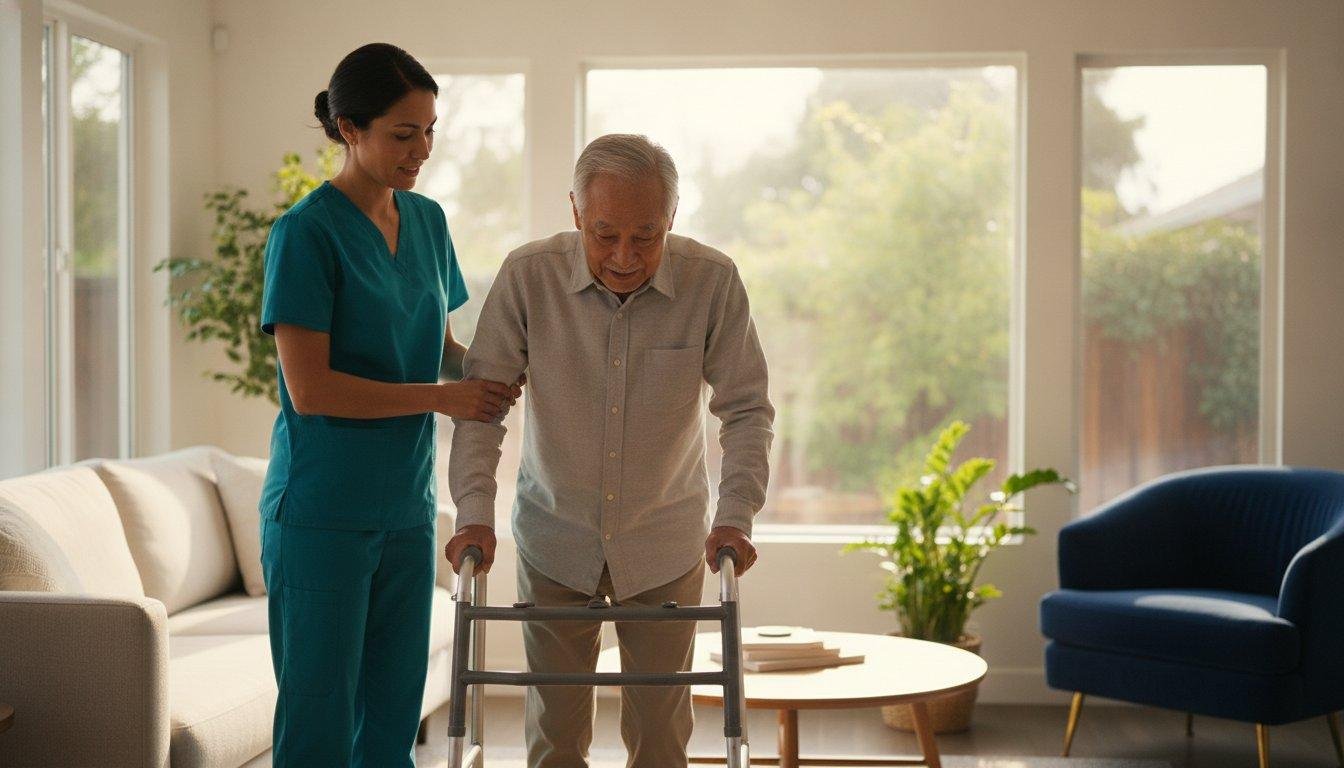
What if the most effective clinical recovery doesn’t require a hospital wing, but rather the familiar environment of a senior’s own living room? Navigating the transition from acute hospital care to professional in-home medical care for seniors often brings a mix of relief and profound uncertainty for families. You likely want to ensure your parent maintains their independence, yet the fear of a sudden health setback or a confusing hospital readmission remains a constant concern during these stressful health transitions.
This guide provides a clear framework for understanding how licensed clinical interventions at home support long-term health management and physical recovery. We’ll explore the specific roles of skilled nursing, physical therapy, and occupational therapy, detailing how these medical professionals coordinate to build a stable, high-quality care environment. By the end of this article, you’ll have a structured plan to navigate clinical requirements while ensuring your loved one receives the expert support they need to thrive in the comfort of their own residence.
Key Takeaways
- Distinguish between clinical home health and non-medical home care to ensure your loved one receives the appropriate level of licensed medical intervention.
- Understand the specialized roles of Skilled Nurses and Physical Therapists in managing complex medications and restoring mobility to prevent hospital readmission.
- Identify the clinical indicators that signal a need for professional in-home medical care for seniors, particularly when managing chronic conditions or recovering from surgery.
- Learn how to coordinate with hospital discharge planners and conduct home safety assessments to create a secure environment for rehabilitative therapy.
- Discover how a structured clinical visit model supports long-term health management while preserving the patient’s dignity and independence at home.
Understanding In-Home Medical Care for Seniors: Beyond Basic Support
While many families use the terms “home care” and “home health” interchangeably, these services represent distinct levels of professional support. Clinical home health is a specialized intervention provided by licensed medical professionals, such as Registered Nurses and Physical Therapists. Choosing professional in-home medical care for seniors ensures that clinical oversight remains consistent during the vulnerable period following a hospital discharge. This model brings hospital-grade monitoring and sophisticated therapeutic techniques into a residential setting, allowing patients to recover in a familiar, low-stress environment.
The primary objective of these services is to facilitate recovery, stabilize acute conditions, or slow functional decline in patients with chronic illnesses. This approach is deeply rooted in medical specialty focused on older adults, prioritizing both clinical outcomes and the preservation of personal dignity. By delivering skilled nursing and rehabilitative therapy at home, providers help seniors avoid the risks associated with prolonged hospital stays, such as secondary infections or the disorientation often caused by unfamiliar surroundings.
Clinical Home Health vs. Personal Care: Key Differences
Understanding the difference between medical and non-medical support is essential for creating an effective care strategy. Clinical home health focuses on task-oriented medical visits designed to treat a specific diagnosis. In contrast, personal care involves hourly assistance with activities of daily living. Seniors often experience the best outcomes when these services are integrated, providing both medical safety and physical comfort. Key distinctions include:
- Medical Care: Involves clinical procedures such as wound management, IV medication administration, and specialized speech or occupational therapy.
- Personal Care: Focuses on custodial support, including help with bathing, grooming, and basic mobility within the home.
- Clinical Oversight: Medical care is strictly regulated and requires professional licensure, whereas personal care focuses on companionship and domestic assistance.
The Role of Physicians in Home Medical Plans
Professional in-home medical care for seniors is never a standalone service; it’s a strictly regulated component of a patient’s broader healthcare journey. Every clinical intervention must be authorized and directed by a primary physician or a specialist. This ensures that the care provided at home aligns perfectly with the patient’s medical history and current pharmacological needs. The medical team acts as the physician’s eyes and ears, providing detailed assessments that inform future treatment decisions.
The foundation of this partnership is the Plan of Care. This formal document is developed collaboratively between the physician and the home health agency to outline specific goals, treatment frequencies, and required medical disciplines. The Plan of Care serves as the clinical roadmap for a patient’s recovery. By following this structured guide, the medical team ensures that every visit contributes directly to the patient’s long-term health management and independence.
The Multidisciplinary Team: Specialized Clinical Roles in Senior Care
Effective in-home medical care for seniors is not a solitary effort. It requires a synchronized team of specialists working under the guidance of a primary physician to achieve specific health outcomes. This multidisciplinary approach ensures that clinical care covers every dimension of a patient’s recovery, from complex wound management to the restoration of physical mobility. It’s about total health. By integrating various medical disciplines, home health agencies provide a comprehensive safety net that supports both the patient and their family caregivers.
Skilled Nursing: The Clinical Foundation
Registered Nurses (RNs) and Licensed Vocational Nurses (LVNs) act as the primary clinical observers in the home. Their role isn’t just about basic check-ups. They perform rigorous medical assessments to monitor vital signs and manage chronic disease symptoms. Common tasks include IV therapy, medication reconciliation, and specialized education for conditions like diabetes or congestive heart failure. Families seeking Skilled Nursing Services Los Angeles rely on these professionals to maintain hospital-level clinical standards within a residential setting.
Rehabilitative Therapies: PT, OT, and Speech
Rehabilitation is essential for seniors who’ve experienced a decline in function due to surgery, illness, or injury. Physical Therapy (PT) focuses on gross motor skills, gait training, and strengthening exercises designed to improve balance and prevent future falls. Occupational Therapy (OT) takes a different approach by focusing on fine motor skills and “task mastery.” These specialists help seniors adapt their environment and techniques to perform daily activities, such as bathing or cooking, with greater independence.
Speech-Language Pathologists play a critical role in addressing communication barriers and neurological impairments. They specialize in treating dysphagia, a common swallowing disorder that can lead to serious complications like aspiration pneumonia if left unmanaged. By working together, these therapists ensure that the patient’s physical and cognitive recovery progresses in tandem.
Medical Social Services round out the team by assisting families with the logistical and emotional challenges of long-term care. They provide guidance on navigating in-home support services and community resources that bolster a senior’s safety. This comprehensive oversight allows families to focus on their loved one’s comfort while the clinical team manages the complexities of the recovery process.
Assessing the Need: When is Home Medical Care Necessary?
Determining the appropriate time to transition to in-home medical care for seniors requires a thorough assessment of both clinical indicators and environmental safety. Often, the need becomes apparent when a senior experiences a sudden change in health status, such as an unexplained fall or difficulty managing a new medication regimen. Professional intervention ensures that these shifts don’t lead to a total loss of independence. Medical social workers play a vital role during this assessment phase, as they identify hidden needs within the home environment, such as social isolation or logistical barriers to care, that might otherwise compromise a patient’s stability.
Recovery After Surgery or Acute Illness
The period immediately following a hospital discharge is a critical clinical window. The first 30 days are when the risk of readmission is highest, particularly for seniors recovering from major procedures. For those seeking Post-Operative Care North Hollywood, professional oversight is essential following surgeries like hip or knee replacements and significant cardiac events. Premature discharge without structured clinical support can lead to wound infections, improper healing, or the incorrect application of physical therapy protocols. Skilled clinicians provide the necessary monitoring to ensure the recovery stays on track and meets the physician’s expectations.
Managing Chronic and Complex Conditions
Chronic illnesses like diabetes or COPD require more than just occasional check-ins; they demand precise, ongoing management to prevent acute exacerbations. Nurses specialize in medication reconciliation, a process that ensures all prescriptions are current and safe to take together, which significantly improves patient adherence. This specialized Medicare coverage for home health care allows seniors to receive consistent monitoring of blood glucose or respiratory function without leaving their homes. Continuous clinical oversight reduces hospital readmission rates by identifying minor health fluctuations before they become emergencies.
Therapeutic intervention also prevents the “deconditioning” cycle, where a senior becomes less active due to illness, leading to muscle atrophy and further health decline. By engaging in regular physical or occupational therapy sessions, patients maintain the strength required for daily tasks. This proactive approach supports the long-term goal of health management while allowing the individual to remain in a setting where they feel most secure. It’s about maintaining a stable quality of life while managing the complexities of aging.
Navigating the Transition: Preparing for In-Home Clinical Care
Transitioning from an acute care facility to a residential setting requires meticulous planning to maintain clinical continuity. This period is often the most stressful for families, as the responsibility for daily oversight shifts from hospital staff to the home health team and family caregivers. Preparing for in-home medical care for seniors involves more than just arranging transportation; it requires the establishment of a clinical environment that supports professional monitoring and therapeutic interventions. Proper preparation reduces the risk of medical errors and ensures that the clinical team can begin the recovery process without delay.
The Hospital-to-Home Roadmap
The journey begins well before the patient leaves the hospital. Coordination with the discharge planner or primary care physician is essential to ensure that all clinical records and prescriptions are transferred to the home health agency. Once discharge orders are signed, the agency typically schedules the initial clinical assessment within 24 to 48 hours. During this interval, medical social workers assist families by navigating insurance requirements and identifying community resources that bolster the home support system. Caregivers should focus on maintaining a detailed log of discharge instructions to share with the incoming nurse, ensuring no detail of the physician’s plan is overlooked.
Creating a Safe Clinical Environment at Home
A successful transition relies on the physical preparation of the living space. Occupational therapists often recommend specific home modifications to mitigate fall risks and improve accessibility. These changes might include removing loose rugs, improving lighting in hallways, or installing grab bars in the bathroom. Families should also designate a specific, well-lit area for medical supplies and therapy sessions. This dedicated space allows clinicians to perform their tasks efficiently while keeping the rest of the home a place of comfort and rest. Organizing all current medications in one central location is also vital, as it allows the visiting nurse to perform a thorough medication reconciliation during the first visit.
The first visit serves as the clinical foundation for the entire care episode. The clinician will conduct a comprehensive assessment of the patient’s physical status, vital signs, and cognitive function. This visit is also the ideal time to establish clear communication channels between the family, the clinical team, and the overseeing doctor. By setting these expectations early, everyone involved in the patient’s care remains aligned with the long-term goals of recovery and independence. If you’re ready to begin this process, you can contact our clinical team to discuss your loved one’s specific needs and start building a customized care plan.
Clinical Excellence in Los Angeles: The Everest Peak Approach
Everest Peak Home Health Care operates with a dedicated commitment to professional rigor and clinical excellence. Providing in-home medical care for seniors requires a deep understanding of the physiological and emotional challenges that accompany the aging process. Our approach prioritizes a multidisciplinary team model where Registered Nurses, therapists, and medical social workers communicate internally to ensure every patient goal is met. This collaborative environment ensures that clinical interventions are synchronized, which reduces the risk of fragmented care that often occurs during complex health transitions. We focus on providing a sense of calm and stability for families who are managing the recovery of a loved one.
Why Local Expertise Matters in Home Health
Serving the San Fernando Valley and the Greater Los Angeles area requires a team that understands the nuances of the local healthcare landscape. Everest Peak’s presence in North Hollywood allows our clinicians to coordinate effectively with regional hospitals and specialists, ensuring that discharge orders are implemented with precision. Having a responsive local team for scheduled clinical visits means that patients receive timely assessments without the delays often associated with larger, national providers. This localized expertise provides families with a sense of stability, knowing that professional support is deeply integrated into their own community and familiar with the specific resources available in the Los Angeles area.
A Partner in the Journey of Recovery
Our practice is built on a “service-to-outcome” framework, where every clinical visit is designed to achieve a practical benefit for the patient’s quality of life. Whether it’s a physical therapist helping a senior regain the strength to navigate their home safely or a nurse managing complex wound care to prevent infection, the ultimate goal is the preservation of independence. We believe that professional medical support should enhance a senior’s autonomy rather than diminish it. By focusing on dignity and respect, we act as a protective extension of the family’s care circle, providing a structured path through the complexities of home-based medical care.
Taking the first step toward professional support is a decision that impacts the entire family’s well-being and peace of mind. A comprehensive assessment allows our team to identify specific clinical needs and develop a clear roadmap for recovery and health management. You can schedule a clinical assessment with Everest Peak Home Health Care to begin creating a customized plan that supports your loved one’s long-term health and stability in the comfort of their own home.
Empowering Senior Independence Through Clinical Excellence
Implementing professional in-home medical care for seniors ensures that the transition from a hospital setting to a residential one is handled with clinical precision. By integrating the expertise of licensed Registered Nurses and specialized therapists, families provide their loved ones with the hospital-grade monitoring necessary for safe post-operative and chronic care management. This structured approach not only addresses immediate medical needs but also preserves the dignity and autonomy of the individual within their familiar community.
Everest Peak Home Health Care remains a dependable partner for families in the San Fernando Valley and Greater Los Angeles. Our multidisciplinary team of clinicians acts as a professional extension of your care circle, focusing on long-term stability and health improvement. If you’re ready to secure a structured plan for your loved one’s recovery, Contact Everest Peak for Professional Home Health Care in North Hollywood to discuss your specific clinical requirements. You don’t have to manage these transitions alone; a professional roadmap to recovery is within reach.
Frequently Asked Questions
What is the difference between home health care and home care?
Home health care involves clinical interventions provided by licensed medical professionals, such as Registered Nurses and Physical Therapists. In contrast, home care focuses on custodial assistance with daily activities like meal preparation and grooming. Professional in-home medical care for seniors is specifically designed to manage medical diagnoses and facilitate physical recovery through task-oriented visits.
Who is eligible for in-home medical care for seniors?
Eligibility typically requires a patient to be under a physician’s care and considered homebound. This means leaving the residence requires a taxing effort or the assistance of another person. The senior must also require a specific skilled service, such as nursing or rehabilitative therapy, to qualify for clinical home health coverage.
Does a doctor have to order home health services?
Yes, a physician must authorize all clinical home health services through a formal order. The doctor works with the home health agency to develop a Plan of Care, which acts as the clinical roadmap for treatment. This ensures that every intervention aligns with the patient’s medical history and current pharmacological needs.
How often do the nurses or therapists visit the home?
Visit frequency is determined by the specific needs outlined in the Plan of Care. Unlike hourly custodial care, clinical visits are task-specific and may occur several times a week. As the patient’s condition stabilizes or improves, the frequency of these visits may be adjusted to support their transition toward total independence.
Can in-home medical care prevent a senior from going to a nursing home?
Clinical home health can often delay or prevent the need for long-term facility placement. By providing hospital-grade monitoring and specialized therapy at home, clinicians address health challenges before they escalate into emergencies. This proactive approach helps seniors maintain their autonomy while receiving the professional support necessary for long-term health management.
What medical conditions can be managed with home health care?
Home health care effectively manages a wide range of chronic and acute conditions, including diabetes, congestive heart failure, and chronic obstructive pulmonary disease. It’s also utilized for complex wound management and medication reconciliation. These clinical services ensure that patients with multifaceted health needs remain stable in a domestic setting.
Is home health care available for post-operative recovery?
Yes, post-operative recovery is a primary focus of clinical home health services. Specialized support is available for seniors recovering from orthopedic procedures like hip replacements or cardiac surgeries. These visits include wound monitoring, pain management education, and physical therapy to ensure the patient reaches their rehabilitative milestones safely.
What should I look for in a licensed home health agency in Los Angeles?
Look for a Medicare-certified agency that employs a multidisciplinary team of licensed Registered Nurses and therapists. In-home medical care for seniors in Los Angeles is most effective when the agency has local expertise in the San Fernando Valley and strong ties to regional specialists. This ensures a more responsive and coordinated approach to the patient’s recovery journey.