Imagine standing in a hospital hallway with a thick stack of discharge papers while your parent waits in a wheelchair, ready to return home but clearly fragile. This transition from constant clinical supervision to a private residence often feels like a sudden loss of support rather than a step toward recovery. Securing professional geriatric home health care Los Angeles families can trust transforms this high-pressure moment into a structured medical plan. It’s the difference between simply managing a household and executing a professional clinical strategy that prioritizes patient safety.
You likely believe that a successful recovery requires more than just basic supervision; it demands specialized medical expertise delivered in a familiar environment. We understand that the responsibility of coordinating multiple therapists while monitoring complex medication schedules feels overwhelming for any caregiver. This guide provides a comprehensive framework for professional geriatric services, ensuring you have the knowledge to facilitate a safe transition and improve your loved one’s physical function. We’ll examine how skilled nursing and rehabilitative therapies work in tandem to restore independence and provide your family with essential peace of mind.
Key Takeaways
- Distinguish between physician-ordered clinical interventions and non-medical companion care to ensure your loved one receives the appropriate level of medical support.
- Learn how a multidisciplinary team of licensed nurses and therapists collaborates to manage complex health needs while prioritizing the patient’s autonomy and dignity.
- Understand how professional geriatric home health care Los Angeles services bridge the critical gap after hospital discharge, reducing the risk of readmission through skilled clinical oversight.
- Identify how comprehensive home safety assessments go beyond basic checks to address environmental hazards and implement professional strategies for fall prevention.
- Discover the practical benefits of customized care plans that integrate physical, occupational, and speech therapies to improve long-term functional and cognitive outcomes.
Understanding Geriatric Home Health Care in Los Angeles
Geriatric home health care Los Angeles is a clinically driven model of medical support that brings hospital-level expertise directly to a patient’s private residence. This service isn’t merely about assistance with daily tasks; it’s a physician-ordered plan of care designed to address specific medical needs. For many families in the Los Angeles area, this approach provides a viable alternative to prolonged stays in skilled nursing facilities. By receiving clinical intervention at home, seniors maintain their dignity and autonomy while benefiting from professional oversight that targets recovery and stability.
The decision to initiate home health services usually stems from a specific clinical trigger. Common scenarios include the period immediately following a major surgery, the exacerbation of a chronic condition like congestive heart failure, or a noticeable decline in physical mobility that increases fall risks. In these moments, the goal is to stabilize the patient’s health and prevent a return to the hospital. Skilled clinical teams provide the necessary framework to manage these transitions safely and effectively.
The Role of Skilled Nursing in Senior Wellness
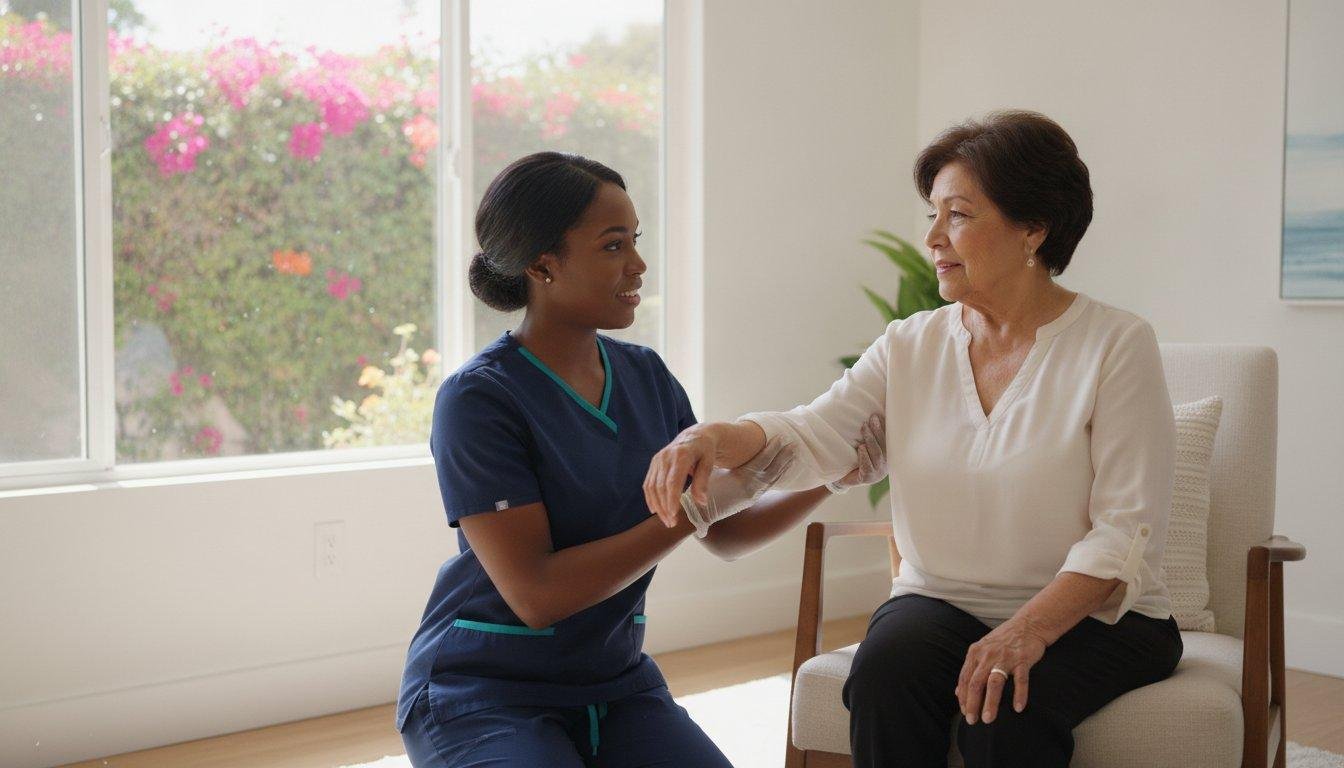
Skilled nursing serves as the foundation of clinical home-based care. Licensed nurses monitor vital signs and assess medication adherence to identify potential complications before they become emergencies. This professional oversight includes advanced wound care and the management of post-surgical sites, which are critical for preventing infections. Beyond direct treatment, nurses provide essential education to family members. They teach caregivers how to manage complex medical equipment and recognize early warning signs of health deterioration, fostering a safer environment for the senior.
Home Health vs. In-Home Caregiving: What Does Your Parent Need?
It’s vital to distinguish between clinical home health and general home care services. While non-medical caregiving focuses on Activities of Daily Living (ADLs) like bathing or meal preparation, home health care addresses medical necessity through skilled interventions. Clinical services require a formal referral from a physician and are typically covered by insurance when specific criteria are met. Many families find that a holistic approach works best, where clinical visits from therapists and nurses complement the daily support provided by personal care assistants. This combination ensures that both the medical and functional needs of the senior are met with precision.
The Multidisciplinary Team: Clinical Support for LA Seniors
Effective geriatric care isn’t a solo effort; it requires a synchronized clinical ecosystem. When families seek geriatric home health care Los Angeles services, they’re often looking for more than just a single practitioner. They require a coordinated strategy. This team-based approach ensures that physical recovery, medication management, and emotional stability are addressed simultaneously. By having specialists who communicate regularly, we minimize the risk of conflicting instructions that often occur when seeing multiple doctors across different Los Angeles clinics. This professional synergy acts as a safety net, ensuring no detail of the patient’s health is overlooked.
Rehabilitative therapies are most effective when they occur in the patient’s natural setting. Rather than simulating a daily routine in a sterile clinic, a therapist works with the senior in the actual environment where they live. Home safety assessments conducted by these clinicians identify specific environmental hazards, such as loose rugs or poor lighting, that might lead to a fall. Practicing mobility in a familiar space builds confidence and accelerates the patient’s return to independence.
Rehabilitative Therapies: Physical, Occupational, and Speech
- Physical Therapy (PT): Clinicians focus on gait training and balance. The goal is to restore the strength and coordination needed for safe movement within the home, specifically targeting the prevention of future falls.
- Occupational Therapy (OT): These specialists assist with adapting daily tasks. This includes mastering self-care routines and modifying the home environment to support autonomy after a significant health event.
- Speech Therapy (ST): Speech-language pathologists address dysphagia, or swallowing disorders, which are common in the geriatric population. They also work on cognitive-communication needs to improve clarity and memory.
Medical Social Services: Support Beyond Clinical Care
The challenges of aging aren’t limited to physical ailments. Medical Social Workers provide the necessary bridge between clinical care and community support. They help families navigate the logistical hurdles of the Los Angeles healthcare landscape, assisting with long-term care planning and emotional counseling. By connecting seniors with local resources and support groups, they foster a sense of community that is vital for mental wellness. This holistic support helps alleviate the stress that often accompanies a difficult health transition.
A well-structured multidisciplinary team creates a protective circle around the senior. Engaging with professional geriatric home health care Los Angeles teams ensures that every aspect of the patient’s well-being is monitored with clinical precision and quiet compassion.
Post-Hospital Recovery and Chronic Disease Management
The first 30 days following a hospital discharge represent a vulnerable period for seniors. Without professional oversight, the transition from a highly controlled clinical environment to a private residence often leads to complications or medication errors. Professional geriatric home health care Los Angeles provides the necessary clinical vigilance to bridge this gap. By monitoring recovery progress and adjusting treatment plans in real-time, clinicians ensure that the patient’s home becomes a safe, effective extension of the medical facility. This structured oversight is essential for reducing the risk of 30-day hospital readmissions, which are often preventable with skilled intervention.
Successful recovery also depends on specialized post-operative care, particularly following orthopedic or cardiac procedures. Licensed nurses and therapists work in tandem to manage surgical sites and implement rehabilitative protocols that are specific to the patient’s procedure. This level of coordinated care ensures that the physical gains made during surgery aren’t lost during the initial weeks at home. It provides a stable foundation for the senior to regain their strength and return to their previous level of function safely.
Navigating the Hospital-to-Home Transition
Effective transition begins before the patient leaves the hospital. Coordinating with discharge planners at major Los Angeles medical centers ensures that the clinical team has a complete understanding of the patient’s recent medical history. Once the senior is home, the immediate priority is medication reconciliation. A licensed nurse reviews all prescriptions to identify potential drug interactions or dosage discrepancies that can occur during a transfer of care. Establishing a clinical visit schedule that mirrors the intensity of the patient’s recovery needs allows for early detection of complications like infection or fluid retention. Families can find additional guidance through the Los Angeles County Aging & Disabilities Department, which provides a framework for local support services.
Clinical Management of Chronic Illness at Home
Managing progressive conditions like Parkinson’s, COPD, or congestive heart failure requires consistent clinical monitoring rather than occasional check-ins. Skilled nursing teams perform regular assessments to track symptom progression and the patient’s response to complex medication regimens. For example, monitoring respiratory function for those with COPD or managing glycemic control for diabetic patients prevents acute episodes that lead to emergency room visits. This proactive approach is integrated within geriatric home health care Los Angeles programs to allow for medical adjustments before a condition reaches a crisis point. Comprehensive chronic care management allows seniors to face long-term health challenges with professional support that honors their personal history and maintains their individual dignity.
Home Safety Assessments and Preserving Independence
A professional home evaluation is a critical component of geriatric home health care Los Angeles. This process transcends a simple walkthrough; it’s a formal clinical tool used by practitioners to align a patient’s physical limitations with their physical surroundings. By identifying barriers to movement early, clinicians reduce the likelihood of accidents that frequently lead to hospital readmission. This assessment provides a roadmap for recovery, ensuring that the residence supports medical goals rather than hindering them.
Preserving a senior’s autonomy is just as important as ensuring their physical safety. Occupational therapists specialize in transforming the home into a therapeutic environment that encourages self-reliance. By modifying how tasks are performed, rather than simply removing the task, we respect the individual’s dignity. This delicate balance of professional oversight and personal freedom is a hallmark of high-quality clinical support, allowing seniors to remain in their preferred environment for as long as possible.
Conducting a Clinical Home Health Assessment
During an initial visit, a clinician evaluates the senior’s gait and balance specifically within the context of their home’s unique architecture. They analyze the height of seating, the stability of bathroom fixtures, and the accessibility of essential items. This evaluation often results in specific recommendations for adaptive equipment. Installing grab bars or utilizing shower chairs provides the necessary stability for patients to perform hygiene tasks safely without constant supervision. Additionally, the clinical team reviews medication storage and administration systems. Proper organization ensures that medication adherence is maintained, reducing the risk of adverse drug events caused by confusion or accessibility issues.
Fall Prevention Strategies for Los Angeles Homes
Falls remain the leading cause of injury for seniors in Los Angeles. To mitigate this risk, physical therapists specializing in geriatric home health care Los Angeles implement targeted balance exercises that strengthen the core and improve proprioception. These interventions are paired with environmental modifications. Improving lighting in transition areas and securing loose floor coverings are simple but effective clinical recommendations. Every home health plan should include a formal safety plan for emergency situations. This ensures that both the patient and the family know exactly how to respond if an incident occurs, providing a layer of security that supports the senior’s desire for independence.
If you’re ready to secure your parent’s environment, you can schedule a professional home safety assessment with our licensed clinical team today.
Choosing Everest Peak: Professional Clinical Care in Los Angeles
Everest Peak Home Health Care functions as a specialized clinical extension of the family, providing disciplined medical support throughout the region. We prioritize clinical excellence by ensuring every intervention is delivered by a licensed professional who understands the complex needs of the aging population. The geriatric home health care Los Angeles families expect from our team is built on a foundation of stability and professional rigor. By selecting a locally-owned agency, you gain a partner that’s deeply familiar with the specific healthcare landscape of Los Angeles and dedicated to the measurable improvement of our community’s seniors.
Our Team of Licensed Clinical Professionals
Our agency maintains rigorous standards for all clinical staff, employing Registered Nurses and specialized therapists who possess documented expertise in geriatric recovery. We utilize a service-to-outcome framework, where each clinical visit is designed to produce a specific, practical benefit for the patient’s functional independence. This methodology allows us to track progress with precision and adjust care plans as the senior’s condition evolves. We recognize that clinical outcomes improve when patients work with consistent, familiar professionals. This continuity of care builds the confidence necessary for seniors to engage fully in their recovery and ensures that subtle changes in health are identified immediately by a clinician who knows the patient’s baseline.
Serving North Hollywood and the Greater Los Angeles Area
Our North Hollywood headquarters allows us to provide responsive clinical services to families across the greater Los Angeles area. We focus on creating customized care plans that integrate the various disciplines discussed in this guide, from skilled nursing to rehabilitative therapy. Initiating this support is a straightforward, professional process. Families can begin by requesting a clinical review of the patient’s current medical status and physician instructions. Our team acts as a knowledgeable guide, offering a structured path through the complexities of home-based medical care.
Contact Everest Peak Home Health Care for a clinical consultation to learn how our licensed professionals can support your family’s specific health goals and ensure a safe, professional recovery environment at home.
Securing a Stable Path Forward for Your Loved One
Integrating clinical excellence into the home environment is the most effective way to ensure a safe and successful recovery for an aging parent. By prioritizing physician-ordered care and professional oversight, families can significantly reduce the risk of hospital readmissions and medication errors. A coordinated multidisciplinary team of Licensed Registered Nurses (RNs), Vocational Nurses (LVNs), and therapists provides the necessary clinical framework to manage complex health transitions with precision and quiet compassion. This structured approach allows medical interventions to happen where the patient feels most comfortable.
Choosing geriatric home health care Los Angeles seniors can rely on means moving beyond simple supervision to a structured medical strategy. Whether you’re navigating a post-operative recovery or managing a chronic condition, professional intervention preserves the patient’s dignity while maximizing their functional independence. Expert Medical Social Workers further support this process by helping your family navigate the logistical and emotional challenges of long-term care planning. You don’t have to manage these medical complexities alone.
Request a Clinical Home Health Assessment for Your Loved One today to begin creating a customized care plan that prioritizes their safety and well-being. We’re here to provide the steady, expert guidance your family needs to move forward with confidence.
Frequently Asked Questions
What is the difference between home health care and home care in Los Angeles?
Home health care involves clinical, physician-ordered medical services provided by licensed professionals such as registered nurses and therapists. In contrast, home care in Los Angeles typically refers to non-medical assistance with Activities of Daily Living (ADLs) like meal preparation or companionship. While home care focuses on general supervision, geriatric home health care Los Angeles services address specific medical needs and rehabilitative goals through professional intervention.
How do I know if my parent qualifies for geriatric home health services?
A parent typically qualifies if they’re considered homebound and require intermittent skilled nursing or rehabilitative therapy. This means leaving the home requires a significant and taxing effort or the assistance of another person. A clinical assessment determines if the patient’s condition necessitates professional medical oversight to ensure safety and promote recovery in their residence.
Does a doctor need to prescribe home health care services?
Yes, a physician must prescribe home health care services as part of a formal plan of care. Because these interventions are clinical in nature, the doctor must certify that the patient requires skilled nursing or therapy. The home health agency coordinates directly with the prescribing physician to monitor the patient’s progress and adjust the treatment plan as medical needs change.
How often will a nurse or therapist visit the home?
The frequency of visits is determined by the specific plan of care established by the physician and the clinical team. Some patients require daily nursing visits immediately following a hospital discharge, while others might see a physical therapist twice a week for gait training. Each schedule is customized to meet the patient’s unique recovery trajectory and functional goals.
Can home health care help my parent recover after a stroke?
Home health care is highly effective for stroke recovery because it provides access to physical, occupational, and speech therapists in a familiar environment. These specialists work on restoring mobility, improving cognitive communication, and managing swallowing disorders. Receiving these intensive therapies at home allows the patient to practice functional tasks in the exact setting where they’ll use those skills daily.
What areas of Los Angeles does Everest Peak Home Health Care serve?
Everest Peak Home Health Care is based in North Hollywood and serves families throughout the broader Los Angeles area. Our licensed team provides accessible clinical support to various neighborhoods, ensuring that seniors have access to professional nursing and therapy regardless of their specific location. We prioritize local service to maintain responsive and consistent care for our patients.
How does home health care reduce the risk of hospital readmission?
Clinical oversight reduces readmission by identifying potential medical complications before they escalate into emergencies. Licensed nurses perform medication reconciliation to prevent adverse drug interactions and monitor vital signs for early indicators of decline. This proactive approach ensures that the patient remains stable and avoids the common pitfalls that often lead to a return to the hospital within the first 30 days.
Is geriatric home health care covered by insurance or Medicare?
Geriatric home health care Los Angeles services are frequently covered by Medicare and many private insurance plans when the patient meets specific clinical criteria. Generally, the care must be deemed medically necessary and provided by a licensed agency under a doctor’s supervision. Families should verify their specific benefits, but most find that skilled clinical services are an accessible option for post-operative or chronic disease management.