
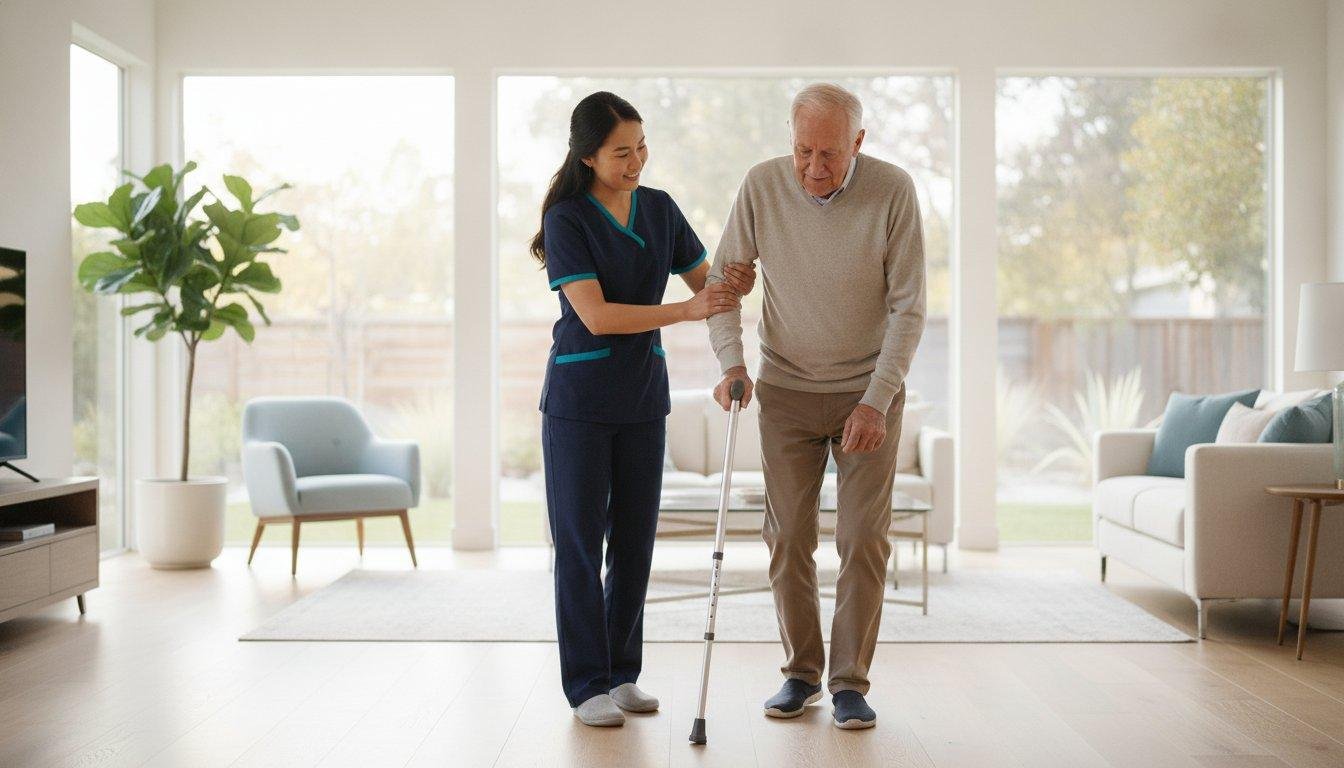
While 85% of adults aged 65 and older wish to remain in their own residences as they age, one in four will experience a fall this year. It’s a sobering reality that often leaves families feeling caught between the desire for a loved one’s autonomy and the constant fear of a household accident. You likely believe that the most effective recovery happens where a person feels most secure, yet the logistical stress of transporting a non-mobile senior to a distant clinic can quickly become an overwhelming obstacle for everyone involved.
Professional physical therapy for seniors at home bridges this gap by bringing clinical-grade rehabilitation directly to your doorstep. This guide illustrates how licensed therapists restore mobility and prevent falls, providing a steady path through the complexities of 2026 Medicare eligibility and insurance coverage. You’ll discover how a multidisciplinary approach reduces caregiver burden and empowers your family member to achieve functional independence within the sanctuary of their own home.
Key Takeaways
- Distinguish between standard non-medical assistance and skilled clinical rehabilitation to ensure your loved one receives the appropriate level of professional medical oversight.
- Discover how physical therapy for seniors at home transforms a familiar living space into a personalized recovery environment while eliminating the physical stress of a hospital commute.
- Compare the logistical advantages of home-based sessions over outpatient clinics, focusing on scheduling flexibility and the effective use of functional household equipment.
- Learn practical strategies for environmental safety, including specific lighting and flooring adjustments that significantly reduce the risk of secondary injuries or falls.
- Understand the benefits of a multidisciplinary care model that integrates professional therapy with skilled nursing and medical social services for a holistic recovery experience.
What is In-Home Physical Therapy for Seniors?
Understanding physical therapy for seniors at home begins with recognizing it as a clinical medical service rather than general assistance. For many families, this transition involves a significant emotional shift. It requires a senior to accept that their private residence is now a setting for clinical recovery. This psychological adjustment is a vital component of the healing process. It transforms the home from a place of potential hazard into a structured environment for regaining strength. Our therapists act as steady guides during this period, ensuring that the patient feels both medically secure and personally respected.
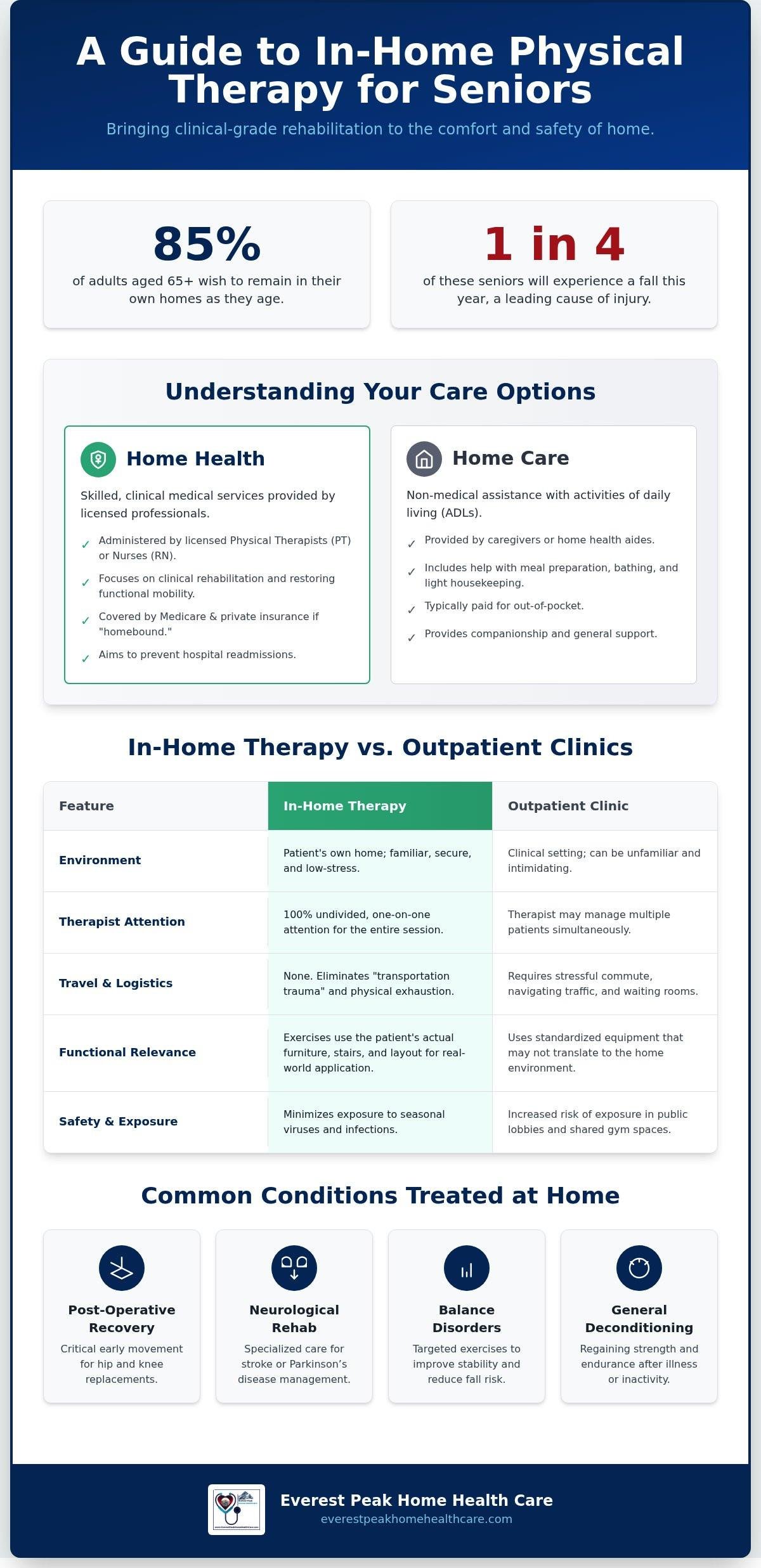
It’s vital to distinguish between “home care” and “home health” to ensure your loved one receives the correct level of support. While home care typically involves non-medical assistance with daily tasks like meal preparation, home health provides specialized clinical rehabilitation. The primary objective of these professional visits is to restore functional mobility and prevent the cycle of hospital readmissions. This medical oversight ensures that a senior can safely navigate their unique environment while recovering from an acute health event or a chronic decline in strength.
To qualify for these services through Medicare or private insurance, a patient must generally meet the criteria for “homebound” status. This designation doesn’t mean a person is completely unable to leave their house. Instead, it indicates that leaving the residence requires a taxing effort or the assistance of another person or a mobility device. When these conditions are met, professional in-home rehabilitation becomes a covered medical necessity that brings hospital-grade expertise to the living room.
The Role of the Licensed Physical Therapist
A Doctor of Physical Therapy (DPT) or a licensed Physical Therapist (PT) brings sophisticated medical training directly to the patient. These professionals possess the expertise to conduct a comprehensive initial evaluation. During this visit, the therapist assesses strength, range of motion, and balance within the context of the senior’s actual living space. Following this assessment, the therapist develops a personalized Plan of Care (POC). This document serves as a roadmap for recovery and requires a physician’s approval, ensuring all interventions align with the patient’s broader medical needs.
Common Conditions Treated at Home
In-home sessions are particularly effective for Geriatric rehabilitation, which focuses on the unique physiological changes and challenges that occur with age. Therapists frequently manage post-operative recovery for hip or knee replacements, where controlled, early movement is critical for long-term success. For those navigating this specific procedure, home health care for knee replacement provides the clinical oversight needed to ensure a safe and structured path back to mobility. They also provide specialized neurological rehabilitation for those recovering from a stroke or managing Parkinson’s disease. Additionally, general deconditioning and balance disorders are addressed to reduce the risk of future falls. This targeted approach ensures that every exercise serves the ultimate goal of returning to a lifestyle of dignity and self-sufficiency.
The Clinical Benefits of Home-Based Rehabilitation
The Clinical Benefits of Home-Based Rehabilitation extend far beyond simple convenience for the family. When a clinician enters a senior’s residence, they transform a familiar living space into a specialized laboratory for functional recovery. This approach effectively eliminates “transportation trauma,” a term describing the physical exhaustion and increased pain levels often triggered by the logistics of traveling to an outpatient clinic. Instead of navigating traffic or waiting in public lobbies, the patient receives clinical care in a low-stress environment that minimizes exposure to seasonal viruses and infections. It’s a method that prioritizes the patient’s immediate comfort while maintaining high medical standards.
Physical therapy for seniors at home provides undivided attention from a licensed professional that is rarely found in a busy gym. In a standard outpatient setting, a therapist might manage multiple patients simultaneously. At home, the clinician focuses entirely on the individual’s specific movement patterns and physiological responses. They observe how a senior actually interacts with their own furniture, rugs, and bathroom fixtures. This real-time assessment allows for immediate postural corrections that translate directly to daily safety and long-term success. Every session is a purposeful step toward reclaiming a sense of self-sufficiency without the distractions of a clinical institution.
Functional Mobility and ADL Improvement
Training focuses heavily on Activities of Daily Living (ADLs) such as safely entering a bathtub or navigating a narrow hallway with a walker. Our physical therapists often work in close coordination with those providing occupational therapy in Los Angeles to ensure a comprehensive and multidisciplinary recovery plan. This collaboration helps seniors improve their gait speed and gain confidence on various floor surfaces, from thick carpeting to slick kitchen tile. By practicing these specific movements where they occur every day, the senior builds muscle memory that is immediately applicable to their routine. This practical application ensures that the skills learned during therapy don’t disappear once the clinician leaves the room.
Fall Prevention as a Life-Saving Strategy
Falls represent a leading cause of injury for adults over 65, often initiating a rapid decline in long-term health and independence. Statistics show that one in four seniors experiences a fall each year, making preventative balance training a critical medical intervention. Targeted exercises address this risk by strengthening the body’s internal awareness and reaction time. Proprioception is the body’s ability to sense its own position and movement in space without the need to look at the limbs. Improving this sense is vital for maintaining stability on uneven ground or in low-light conditions. Through methodical exercises, a therapist helps the senior regain the steady footing necessary for a lifestyle of dignity. If you are concerned about a loved one’s mobility, our team can provide a personalized home assessment to identify and mitigate these environmental risks.
Home Therapy vs. Outpatient Clinics: Making the Choice
Choosing between a specialized clinic and physical therapy for seniors at home requires a careful evaluation of the individual’s current mobility and long-term recovery goals. While outpatient clinics offer a centralized location for various treatments, the logistical burden of travel often outweighs the clinical benefits for those with limited endurance. Families frequently find that the stress of coordinating transportation and managing the physical toll of the commute can hinder the actual progress made during the session. In contrast, home-based care removes these barriers. It allows the patient to dedicate their full energy to the rehabilitation process within a familiar and dignified setting.
The primary difference in equipment often surprises families. Clinics utilize heavy gym machinery; however, home therapy focuses on functional tools like stairs, chairs, and doorways. Research into home-based exercise interventions for seniors suggests that these programs are highly effective for improving balance and muscle strength precisely because they mirror daily life. When a senior learns to rise safely from their own favorite armchair, the retention of that skill is significantly higher than when using a generic leg press machine. From a financial perspective, Medicare Part A often covers home health services at 100% for eligible patients. This is often a more accessible option than outpatient visits, which typically involve recurring copayments and travel expenses.
When is a Clinic Better?
There are specific clinical scenarios where an outpatient facility remains the preferred choice. Certain advanced neurological or orthopedic conditions might require specialized technology, such as anti-gravity treadmills or large-scale aquatic therapy tanks, which cannot be transported to a residence. As a senior progresses in their recovery and regains a higher level of independence, transitioning to a community-based clinic can also offer valuable social interaction. This shift often marks a successful milestone in the recovery journey, moving the patient from acute home-based support toward broader community engagement and higher-intensity athletic training.
Why Home Health Wins for Post-Surgical Recovery
For those navigating the critical first weeks following a procedure, home health provides an unmatched level of safety and clinical oversight. Our team specializes in post-operative care in North Hollywood, focusing on wound management and early mobilization within the first 14 to 28 days of discharge. Receiving physical therapy for seniors at home during this window significantly reduces the risk of surgical site infections (SSI) by avoiding exposure to public waiting rooms. Licensed therapists monitor pain levels and surgical incisions in real-time, ensuring that the patient remains stable and comfortable while their body begins the complex work of healing. Families managing a joint procedure can learn more about how home health care for knee replacement recovery supports safe mobilization and wound management during this critical period.
Preparing Your Home for Safe Senior Physical Therapy
The success of physical therapy for seniors at home depends heavily on the safety and organization of the environment. Before a therapist arrives, the residence must transition from a standard living space into a secure clinical setting. This preparation isn’t merely about convenience; it’s a critical step in preventing the secondary injuries that often occur during the early stages of rehabilitation. By methodically addressing environmental hazards, you create a sense of security that allows the senior to focus entirely on their physical goals. It’s a collaborative process that ensures the home remains a sanctuary while becoming a place of active recovery.
To establish a functional “therapy zone,” families should identify a well-lit area with a flat, non-slip surface and a sturdy chair that doesn’t have wheels. A qualified professional will use this space to lead exercises, so it’s vital to ensure the area is free from distractions. Consider the following safety adjustments before the first session begins:
- Remove all throw rugs and loose electrical cords from primary walking paths to eliminate trip hazards.
- Install high-visibility LED lighting in hallways, bathrooms, and stairwells to compensate for changes in depth perception.
- Place non-slip mats in the bathroom and consider the installation of professional-grade grab bars near the toilet and shower.
- Clear clutter from all transit areas to ensure there’s enough room for a therapist to walk alongside the patient.
The Entryway and Living Space
A thorough assessment of the home starts at the threshold. High door sills or uneven porch steps can present significant obstacles for those using walkers or wheelchairs. If possible, consider temporary ramps or threshold transitions to create a seamless entry. Inside the living area, you may need to rearrange furniture to provide a “wide-turn” radius, ensuring that mobility aids can move freely without snagging on upholstery or table legs. It’s also essential to verify that a phone or emergency alert device is within reach in every room where the senior spends time alone. This level of detail reinforces the brand’s commitment to the patient’s total well-being.
The Role of the Caregiver During Sessions
Caregivers serve as a vital link in the multidisciplinary recovery chain. During active sessions, your primary role is to observe and learn the Home Exercise Programs (HEPs) that the senior must perform between professional visits. To support this process, reviewing a structured set of home health physical therapy exercises can help caregivers and patients alike feel more confident and prepared between clinical visits. This ensures that the patient maintains their progress safely when the clinician isn’t present. While it’s natural to want to assist, it’s important to provide emotional encouragement without interfering with the therapist’s clinical instructions. You can further support the process by documenting daily progress and reporting any physiological changes to the skilled nursing care team. This coordinated effort ensures that no detail of the individual’s recovery is overlooked. To begin this journey with professional oversight, you can schedule a comprehensive home safety evaluation with our specialized team today.
Rebuilding Independence with Everest Peak Home Health Care
Everest Peak Home Health Care approaches rehabilitation with a philosophy that treats the individual, not just the clinical diagnosis. This “Compassionate Expert” model is particularly vital when introducing physical therapy for seniors at home, as it acknowledges the emotional weight of inviting medical support into a private residence. Our team acts as a steady guide through this transition, ensuring that every exercise and intervention respects the sanctity of the household. We maintain deep roots in North Hollywood and the San Fernando Valley, providing a local presence that national corporate agencies often lack. This community connection allows our intake team to facilitate a seamless transition from hospital discharge to the first in-home visit, reducing the stress of the recovery process for both the patient and their family.
A cornerstone of our approach is the multidisciplinary coordination between our licensed physical therapists, registered nurses, and medical social workers in LA. This collaborative framework ensures that we address the physical, clinical, and emotional facets of healing simultaneously. When a therapist identifies a barrier to recovery, they can immediately consult with our broader clinical team to adjust the plan of care. This integrated oversight provides a sense of security and professional grace, allowing families to feel confident that no detail of their loved one’s health is overlooked. By prioritizing the patient’s emotional well-being alongside their physical progress, we help restore a lifestyle characterized by dignity and self-sufficiency.
Personalized Clinical Oversight
We believe that the relationship between a senior and their clinician is a fundamental driver of successful outcomes. Our agency carefully matches therapists to the specific medical needs and personality traits of each individual, fostering an atmosphere of trust and mutual respect. Every visit is conducted with the highest standards of dignity, ensuring the senior feels empowered rather than clinicalized. Throughout the process, our team maintains consistent communication with the primary care physician (PCP). This transparency ensures that the rehabilitation goals remain perfectly aligned with the patient’s overall medical history and current health status.
Getting Started in Los Angeles
Initiating care is designed to be a straightforward and supportive experience for families and medical professionals alike. The referral process is simple, requiring only a physician’s order to begin the eligibility assessment. During the initial evaluation visit, a licensed professional will conduct a thorough review of the home environment and the senior’s functional abilities. This first meeting is an opportunity for the family to ask questions and define the specific goals that matter most to their lifestyle. If you’re ready to restore safety and mobility for a loved one, you can Contact Everest Peak for a consultation in San Fernando Valley to begin the journey toward functional independence.
Restoring Confidence and Vitality in the Comfort of Home
Embracing physical therapy for seniors at home is a transformative decision that prioritizes both medical excellence and personal dignity. By integrating clinical-grade rehabilitation into a familiar environment, your loved one can focus on regaining functional mobility without the physical exhaustion of a clinic commute. This approach addresses immediate post-surgical needs while building a foundation for long-term safety through targeted fall prevention and environmental modifications. Our licensed clinical professionals conduct thorough home assessments to identify environmental hazards, resulting in a significantly reduced risk of falls for the senior.
Everest Peak Home Health Care remains a steady guide for families across the San Fernando Valley and the greater Los Angeles area. Our team of specialists is dedicated to geriatric rehabilitation, ensuring that every plan of care is as unique as the individual we serve. We coordinate closely with physicians and families to provide a seamless transition from hospital to home, fostering an atmosphere of reliability and trust. Contact Everest Peak Home Health Care today to schedule a consultation and take the first step toward a more independent, secure lifestyle.
Frequently Asked Questions
Does Medicare cover physical therapy for seniors at home?
Medicare usually covers these services when they’re deemed medically necessary by a physician. For those meeting “homebound” status, Medicare Part A often covers 100% of the costs for physical therapy for seniors at home. If you don’t meet the homebound criteria, Medicare Part B may still provide coverage for outpatient therapy delivered in your residence. It’s vital to verify your specific plan details to understand any applicable deductibles or co-insurance requirements.
How many times a week does a physical therapist come to the house?
The frequency of visits is determined by a personalized Plan of Care approved by your primary care physician. Most seniors receive visits two to three times per week, depending on the severity of their condition and their specific recovery goals. As you gain strength and functional independence, the frequency may decrease. Our licensed therapists continuously monitor your progress and adjust the schedule to ensure you’re receiving the optimal level of clinical support throughout your journey.
Do I need a doctor’s referral for in-home physical therapy?
Yes, a physician’s referral or order is required to initiate skilled home health services. This ensures that the rehabilitative plan is perfectly aligned with your broader medical history and current health status. Once your doctor provides the order, our intake team coordinates the transition to begin your evaluation. This collaborative approach between your primary care physician and our licensed therapists ensures that every intervention is safe, effective, and medically supervised for your total well-being.
What is the difference between a physical therapist and a home health aide?
A physical therapist is a licensed clinical professional focused on restoring movement, strength, and balance through specific medical interventions. In contrast, a home health aide provides personal care assistance with daily activities such as bathing, grooming, and hygiene. While both roles support a senior’s independence, the therapist’s work is rehabilitative and diagnostic, while the aide’s work is supportive and focused on maintaining daily comfort and safety within the home environment.
Can physical therapy help a senior who has already had a fall?
Physical therapy is a critical intervention for seniors who have experienced a fall. A licensed therapist conducts a thorough assessment to identify the underlying causes of the incident, such as muscle weakness or balance disorders. By implementing targeted exercises and environmental safety modifications, we help rebuild the patient’s confidence and physical stability. This proactive approach significantly reduces the risk of secondary injuries and helps the individual return to a lifestyle characterized by dignity and self-sufficiency.
What equipment do I need to buy for home physical therapy sessions?
You don’t need to purchase expensive medical machinery for your sessions. Our therapists are trained to utilize your existing household furniture, such as sturdy chairs and stairs, to facilitate functional movement. The clinician may bring portable equipment like resistance bands, small weights, or balance pads to enhance your workout. If specific safety equipment like grab bars or non-slip mats is recommended, our team will provide a detailed checklist to help you prepare your environment for success.
How long does a typical home physical therapy session last?
A typical session usually lasts between 45 and 60 minutes. This duration allows the therapist to conduct a brief assessment, lead you through your personalized exercises, and provide education on safety or home exercise programs. The exact length may vary based on your endurance levels and the specific clinical goals established in your Plan of Care. We move at a methodical pace, ensuring that each movement is performed correctly and safely before moving to the next task.
Is home physical therapy available in the San Fernando Valley?
Everest Peak Home Health Care provides comprehensive physical therapy for seniors at home throughout the San Fernando Valley and the greater Los Angeles area. Our team of licensed professionals is rooted in the North Hollywood community, offering clinical expertise with a warm, human-centric approach. Whether you’re recovering from surgery or managing a chronic condition, we serve as a steady guide to help you achieve functional independence without the need for a hospital commute or clinic visit.