
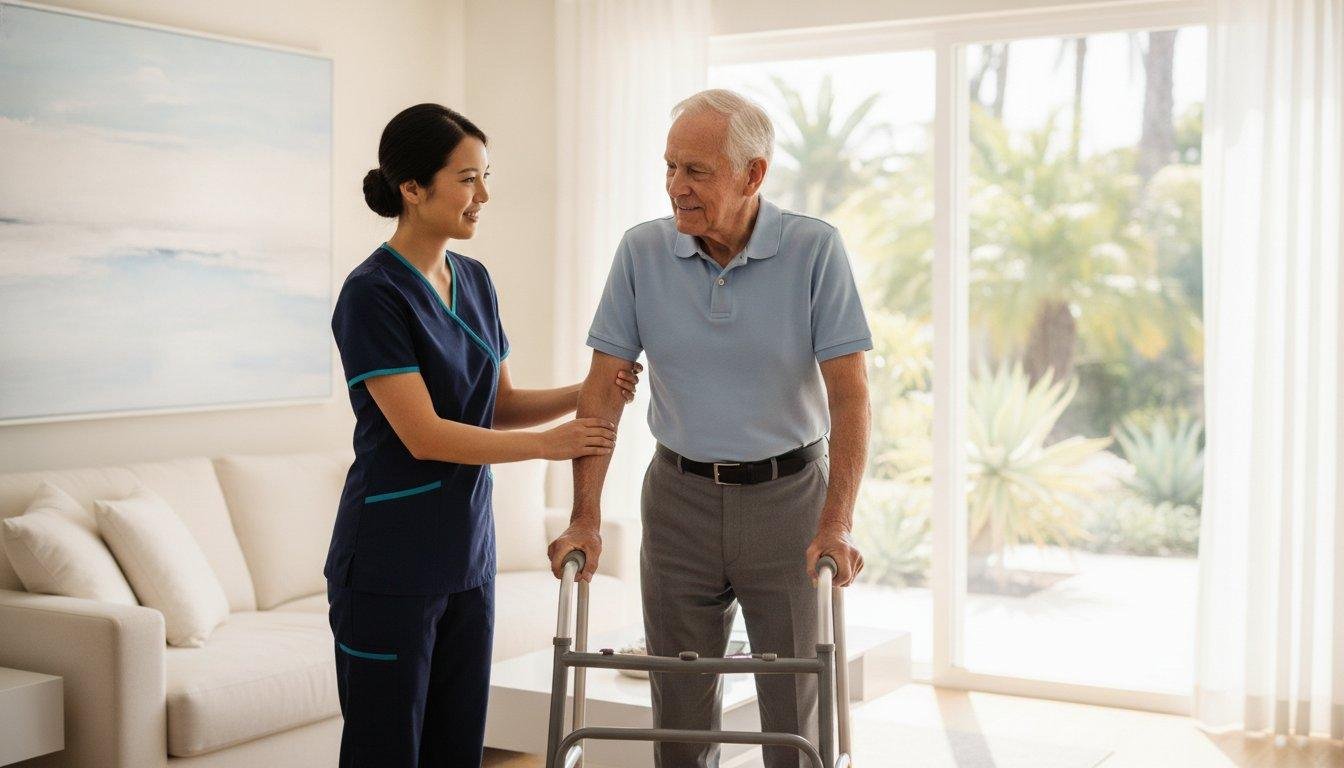
The decision to seek help with personal care is often viewed as a loss of freedom, but for many, professional support is actually the foundation of staying home longer. When a family member faces challenges with bathing, dressing, or mobility, the risk of injury increases significantly. Approximately 70 percent of individuals utilizing home healthcare services are aged 65 and older; this is a demographic where a single fall can alter the entire course of recovery. Integrating professional assistance with activities of daily living at home provides a protective layer of clinical oversight. This support ensures that basic needs are met with dignity while reducing the physical and emotional burden on family caregivers.
You likely want to ensure your loved one remains safe and comfortable without causing them to feel like they’ve lost their privacy. It’s common to feel overwhelmed by the transition from independent living to receiving care. This article provides a clear framework for understanding different levels of support, from basic hygiene to complex health management. You’ll learn how to distinguish between medical needs and personal assistance, helping you make an informed decision that prioritizes both safety and self-respect. We’ll outline the specific categories of daily care and demonstrate how a structured care plan serves as a preventative measure for long-term health.
Key Takeaways
- Learn how to identify the subtle differences between ADLs and IADLs to recognize when a loved one requires additional support for their daily routine.
- Discover why professional assistance with activities of daily living at home is a vital clinical intervention that prevents complications such as infections or hospital readmissions.
- Understand the specific red flags that indicate a need for a formal Home Health Assessment conducted by a licensed clinical professional.
- See how a multi-disciplinary approach, involving personal care assistance and skilled therapy, creates a safer environment for aging in place.
- Gain confidence in how professional home care maintains a patient’s dignity and autonomy through customized, respectful clinical support.
What is Assistance with Activities of Daily Living (ADLs) at Home?
Understanding how to manage basic physical needs is essential for any patient recovering from surgery or managing the effects of aging. These tasks, clinically known as Activities of Daily Living (ADLs), represent the fundamental self-care actions that humans perform every day to maintain their health and dignity. ADLs are the clinical benchmark for functional independence. When a person can’t perform these tasks safely on their own, professional assistance with activities of daily living at home becomes a necessary intervention to preserve their health and quality of life. These activities aren’t just chores; they’re the essential building blocks of a stable and secure home environment. Without them, the risk of secondary health complications increases, often leading to avoidable hospitalizations.
The 6 Core Activities of Daily Living
The clinical assessment of a patient’s needs begins with evaluating their ability to handle six specific areas of self-care. Professional support in these areas focuses on both the execution of the task and the observation of the patient’s physical state. For example, bathing and showering involve more than just cleanliness. A professional caregiver uses this time to monitor for changes in skin integrity, which is vital for preventing infections or pressure sores. Dressing involves selecting appropriate attire and managing fasteners like buttons or zippers; this assistance prevents falls caused by tripping over loose garments or struggling with restrictive clothing. Toileting and continence care are equally critical. By managing hygiene and providing timely support, professionals help prevent skin breakdown and reduce the incidence of urinary tract infections, which are a leading cause of confusion and falls in older adults.
Functional Mobility and Transferring
Mobility is the cornerstone of independence within the home. A specific component of this is “transferring,” which describes the physical ability to move from one position to another, such as shifting from a bed to a wheelchair or rising from a seated position to stand. This is often where the highest risk of injury occurs. Professional assistance with activities of daily living at home ensures these transitions are handled using proper body mechanics. This specialized support significantly reduces the risk of hip fractures and head injuries, which are often the result of unassisted or improper transfers. Beyond immediate safety, consistent mobility assistance helps preserve muscle tone and encourages healthy circulation. By keeping a patient moving safely, home care professionals prevent the muscle atrophy and blood clots that often follow prolonged periods of inactivity, directly contributing to a more robust recovery process.
The Clinical Importance of Professional ADL Support
Professional assistance with activities of daily living at home should be viewed as a proactive medical strategy rather than a simple convenience. Clinical evidence suggests that many hospitalizations for older adults are triggered by a “failure to thrive,” which often begins with the neglect of basic self-care. When a trained professional manages hygiene, they’re implementing a rigorous infection-control protocol. For instance, proper oral care reduces the bacterial load that can lead to aspiration pneumonia, while meticulous skin care and toileting assistance are primary defenses against urinary tract infections. These complications are more than just uncomfortable; they often lead to sepsis or acute delirium, which require emergency medical intervention.
Licensed oversight ensures that subtle changes in a patient’s physical or cognitive state are identified before they escalate into a crisis. A professional caregiver notices the slight swelling in a limb or a change in breathing patterns that a family member might overlook. This level of observation is paired with professional empathy. This approach acknowledges the patient’s vulnerability while maintaining a clinical distance that preserves their sense of self. It transforms a potentially awkward interaction into a routine health procedure, ensuring that the patient feels supported rather than scrutinized.
Preventing Hospital Readmission Through Better Self-Care
Nutrition and hydration are often the first ADLs to suffer when a patient lives alone or is recovering from a major health event. Dehydration is a frequent cause of falls and electrolyte imbalances that lead to avoidable emergency room visits. Assistance with eating and drinking ensures that patients receive the precise caloric intake necessary for tissue repair and immune function. Clinical oversight of ADLs is a primary defense against post-operative complications. It ensures the body has the fuel it needs to recover from the physiological stress of surgery, which is a critical component of personal care assistance within a home setting.
Preserving Dignity and Psychological Well-being
Many patients fear that accepting help means losing their independence. However, professional support actually reduces the physical and mental exhaustion caused by the daily struggle with basic tasks. When the stress of fundamental survival is managed, the patient has more energy to focus on rehabilitation and social connection. Being freshly groomed and appropriately dressed has a documented impact on a patient’s self-esteem and overall outlook. It encourages them to engage with their community and participate actively in their own recovery. This support acts as a professional extension of the family care circle, providing peace of mind while fostering a sense of normalcy and respect for the individual.
ADLs vs. IADLs: Understanding Different Levels of Support
While the core categories of self-care focus on the physical body, maintaining a household requires a more complex set of skills known as Instrumental Activities of Daily Living (IADLs). These tasks represent the secondary layer of independence, focusing on a patient’s ability to interact with and manage their environment. Clinically, IADLs often decline before a patient loses the ability to perform basic self-care. This early decline serves as a vital warning sign for clinicians and families alike. It suggests that cognitive executive functions or physical stamina are beginning to waver, even if the patient can still bathe or dress themselves. A comprehensive home health assessment evaluates both domains to determine the precise level of assistance with activities of daily living at home required to maintain safety.
The distinction is straightforward; ADLs are about the “self,” while IADLs are about the “environment.” For example, the ability to physically swallow food is an ADL, but the ability to plan a menu, shop for ingredients, and cook a meal is an IADL. When a patient struggles with environment-based tasks, it often leads to a “cascading disability” where the lack of environmental support eventually compromises their physical health. Integrating professional support for both categories ensures that the patient’s home remains a therapeutic space rather than a source of stress or danger.
Common Instrumental Activities (IADLs)
Managing a home involves several critical functions that support long-term health outcomes. Meal preparation and grocery shopping ensure that a patient has access to nutrient-dense foods, which is essential for maintaining muscle mass and a strong immune response. Managing medications and health records is another high-stakes IADL; errors in dosage or missed appointments can lead to severe adverse reactions or avoidable hospitalizations. Finally, light housekeeping and laundry are clinical necessities. A clean environment prevents the accumulation of allergens and pathogens, while clear walkways reduce the risk of tripping. These tasks are fundamental to creating a sterile, safe environment for recovery.
Comparison Table: ADLs vs. IADLs
This table illustrates the difference between basic physical needs and the complex tasks required for community living. Understanding these levels helps families identify where support is most urgently needed.
| Basic Needs (ADLs) | Complex Living (IADLs) |
|---|---|
| Eating: The physical act of feeding oneself. | Meal Prep: Planning, shopping, and cooking. |
| Walking: Moving from one room to another. | Transportation: Driving or using public transit. |
| Bathing: Maintaining personal hygiene. | Housekeeping: Cleaning and maintaining the home. |
| Dressing: Putting on and taking off clothes. | Shopping: Purchasing essentials and managing funds. |
By assessing both categories, healthcare professionals provide a more accurate picture of a patient’s functional status. This ensures that assistance with activities of daily living at home is tailored to the specific cognitive and physical challenges the individual faces.
Assessing the Need: When to Seek Assistance in North Hollywood
Determining the exact moment when a loved one requires assistance with activities of daily living at home is often a complex process. It’s a transition that requires a balance of clinical observation and emotional honesty. In North Hollywood, where many residents navigate a fast-paced environment, the subtle signs of decline can be easily missed or dismissed as typical aging. However, acknowledging these limitations early is the most effective way to prevent a catastrophic health event. This proactive approach allows for a structured care plan that supports the individual’s desire to remain at home while addressing the physiological realities of their condition.
Physical and Cognitive Warning Signs
Clinicians look for specific indicators that a patient’s functional independence is at risk. Significant weight loss or the discovery of spoiled food in the kitchen often points to a struggle with meal preparation, an IADL that typically fails before basic self-care. Unexplained bruising on the arms or legs, or reports of frequent “near-falls,” are critical red flags for mobility issues. These incidents are often precursors to hip fractures or head injuries. Additionally, a decline in personal hygiene, such as wearing the same soiled clothing for multiple days, indicates that the patient can’t manage the physical demands of bathing and dressing. These aren’t merely lifestyle changes; they’re clinical symptoms of a need for professional personal care assistance.
A formal Home Health Assessment by a licensed nurse provides the necessary data to build a safe care environment. This evaluation serves as a professional baseline, moving beyond the subjective observations of family members to provide an objective clinical profile. Within the Los Angeles medical landscape, this assessment is particularly vital during the post-discharge phase. It ensures that the instructions provided by hospital physicians are accurately translated into daily home routines. This professional oversight bridges the gap between acute medical care and the long-term assistance with activities of daily living at home required for stability.
California Home Health Standards and Licensure
Choosing the right provider in the San Fernando Valley requires an understanding of California’s strict home health standards. There’s a fundamental difference between an independent hire and a licensed home health agency. Licensed agencies must adhere to state-mandated background checks, ongoing clinical training, and professional liability requirements. This structure ensures that the staff member providing assistance is equipped to handle medical emergencies and maintain sterile environments. Relying on a licensed agency provides a layer of institutional accountability that a “hired neighbor” cannot offer. This specialized support is essential for patients who require a high level of clinical rigor to maintain their health at home.
If you’ve noticed these red flags in a family member, taking action now can prevent future hospitalizations. You can contact our clinical team to discuss how a structured assessment can support your family’s needs and provide the necessary clarity for a safe recovery.
Everest Peak Home Health Care: Comprehensive Personal Care
Everest Peak Home Health Care approaches personal care as a vital component of a comprehensive medical strategy. Our Personal Care Assistance isn’t a standalone service; it functions as part of a multi-disciplinary team dedicated to patient recovery. Licensed nurses and therapists collaborate directly with caregivers to ensure that every task is performed with clinical precision. This integrated model means that assistance with activities of daily living at home is always guided by professional medical oversight. We prioritize clinical excellence and professional empathy, ensuring that every patient receives the specialized support they need while maintaining their dignity and autonomy.
This service-to-outcome framework ensures that clinical expertise translates directly into patient comfort and safety. For example, when a clinician identifies a specific challenge with transferring or mobility, they work with the personal care team to implement safer techniques. This collaboration reduces the physical strain on the patient and minimizes the risk of injury during daily routines. It’s a methodical approach that prioritizes long-term health outcomes over short-term task completion. Our caregivers are trained to observe and report changes in condition, providing an extra layer of protection for patients during vulnerable health transitions.
A Customized Pathway to Recovery
Every patient’s journey is unique. We develop care plans that are specifically tailored to individual medical histories and the physical layout of the home environment. This customization is essential for post-operative patients who face temporary functional limitations. Occupational Therapists play a critical role here, focusing on ADL “task mastery” to help patients regain their independence. This might involve relearning how to navigate a kitchen safely or using specialized equipment for bathing. For those requiring mobility support, our team often integrates Physical Therapy for Seniors at Home to build the strength and balance necessary for safe movement. This specialized support ensures that the patient doesn’t just receive help, but actively works toward a higher level of functional ability.
Taking the Next Step Toward Home Safety
Starting home health services is a methodical and unhurried process designed to instill confidence in both the patient and their family. It begins with a thorough professional assessment that identifies specific needs and potential hazards within the home. This initial evaluation allows us to create a structured environment where recovery can thrive. We encourage families to take this proactive step to ensure their loved ones have the professional assistance with activities of daily living at home required for a safe and dignified life. You can Contact Everest Peak Home Health Care for a professional consultation in the Los Angeles area to begin this process.
Our commitment to clinical excellence ensures that no detail of the patient’s care is overlooked. We act as a knowledgeable guide through the complexities of home-based medical care, offering a stable and observant presence. By positioning ourselves as a professional extension of the family’s care circle, we provide the peace of mind that comes from knowing a loved one is in expert hands. This steady support allows families to focus on their relationship with their loved one while we manage the clinical and personal care requirements of their recovery.
Prioritizing Long-Term Health and Independence
Integrating professional assistance with activities of daily living at home represents a proactive commitment to a patient’s long-term recovery and safety. By understanding the critical distinction between basic physical needs and environmental management, families can address health challenges before they lead to emergency room visits. This clinical approach ensures that daily tasks like hygiene and mobility are handled with the precision and respect that every individual deserves. It’s about creating a sustainable path forward that values the person’s autonomy while ensuring their physical needs are met.
Everest Peak Home Health Care provides comprehensive clinical oversight for all personal care services throughout North Hollywood and the Greater Los Angeles Area. Our team of Licensed Registered Nurses and Therapists works collaboratively to create a stable environment that fosters both physical healing and psychological well-being. This methodical support allows your loved one to age in place with confidence and dignity. You don’t have to navigate these complex health transitions alone.
If you’re ready to create a safer home environment, we invite you to Schedule a Clinical Home Health Assessment with our expert team. Taking this step ensures that your family has a knowledgeable partner to guide you through every stage of the care process. We look forward to supporting your family’s health journey with reliability and professional excellence.
Frequently Asked Questions
Is assistance with activities of daily living covered by Medicare?
Medicare typically covers personal care assistance only when it is provided in conjunction with skilled services, such as nursing or physical therapy, as part of a medically necessary plan of care. If a patient requires only assistance with activities of daily living at home without a clinical need for skilled intervention, it is often classified as custodial care, which traditional Medicare generally does not cover. Families should review their specific Medicare Advantage or secondary insurance policies for potential variations in these coverage standards.
How is ADL assistance different from skilled nursing care?
ADL assistance focuses on supporting fundamental self-care tasks, including hygiene, dressing, and mobility, to maintain a patient’s functional independence and safety. Skilled nursing care involves medical interventions that must be performed by a Licensed Vocational Nurse or Registered Nurse, such as wound management, intravenous therapy, or complex medication administration. While personal care focuses on the physiological support required for daily stability, skilled nursing addresses specific clinical conditions and acute medical needs.
Can my loved one receive ADL support after a hospital discharge in North Hollywood?
Post-hospitalization support is a standard component of home health care for residents in North Hollywood to ensure a stable transition from acute care to the home environment. Following a discharge, a clinical team coordinates personal care to prevent the physical strain and exhaustion that often lead to avoidable hospital readmissions. This professional support allows the patient to focus on their prescribed recovery plan while staff manage the physical demands of daily hygiene and movement.
What happens during a professional home health assessment for ADLs?
A licensed nurse conducts a methodical evaluation of the patient’s physical capabilities, cognitive status, and home environment safety. This process identifies specific functional deficits and potential hazards, such as fall risks or obstacles to proper hygiene, that could compromise the patient’s stability. The resulting assessment forms the basis of a customized care plan, ensuring that all professional interventions are tailored to the patient’s unique medical history and specific recovery goals.
How many hours of personal care assistance are typically required?
The duration of support is determined by the specific clinical needs identified during the initial home health assessment rather than a pre-set standard. Some patients may require only a few hours per week to assist with high-risk tasks like bathing, while others recovering from major surgery may need more frequent daily visits to ensure safety. This schedule is regularly reviewed by a clinical supervisor to ensure it remains aligned with the patient’s progress and functional improvement.
Do I need a doctor’s order for ADL assistance at home?
A physician’s order is required for home health services that include professional assistance with activities of daily living at home when these services are billed through insurance or Medicare. This requirement ensures that the care provided is medically necessary and integrated into the patient’s comprehensive treatment plan. Our clinical team works directly with your primary care physician to secure the necessary documentation and coordinate the methodical initiation of your home-based care.
Can ADL support help a patient with dementia or Alzheimer’s?
Professional support is highly effective for patients managing cognitive decline because it provides a stable, predictable routine that reduces anxiety and confusion. Caregivers trained in memory care utilize specialized techniques to guide patients through self-care tasks while prioritizing their safety and dignity. This structured approach helps maintain the patient’s functional abilities for as long as possible while significantly reducing the physical and emotional burden on family members.
What is the difference between a home health aide and a personal care assistant?
A home health aide typically possesses state-certified training and works under the direct supervision of a Registered Nurse to provide personal care alongside basic health monitoring. A personal care assistant focuses primarily on supporting ADLs and environmental tasks to ensure patient comfort and household safety. Both roles are essential components of a multi-disciplinary team, though the home health aide often has a broader clinical scope within a medical home health setting.