
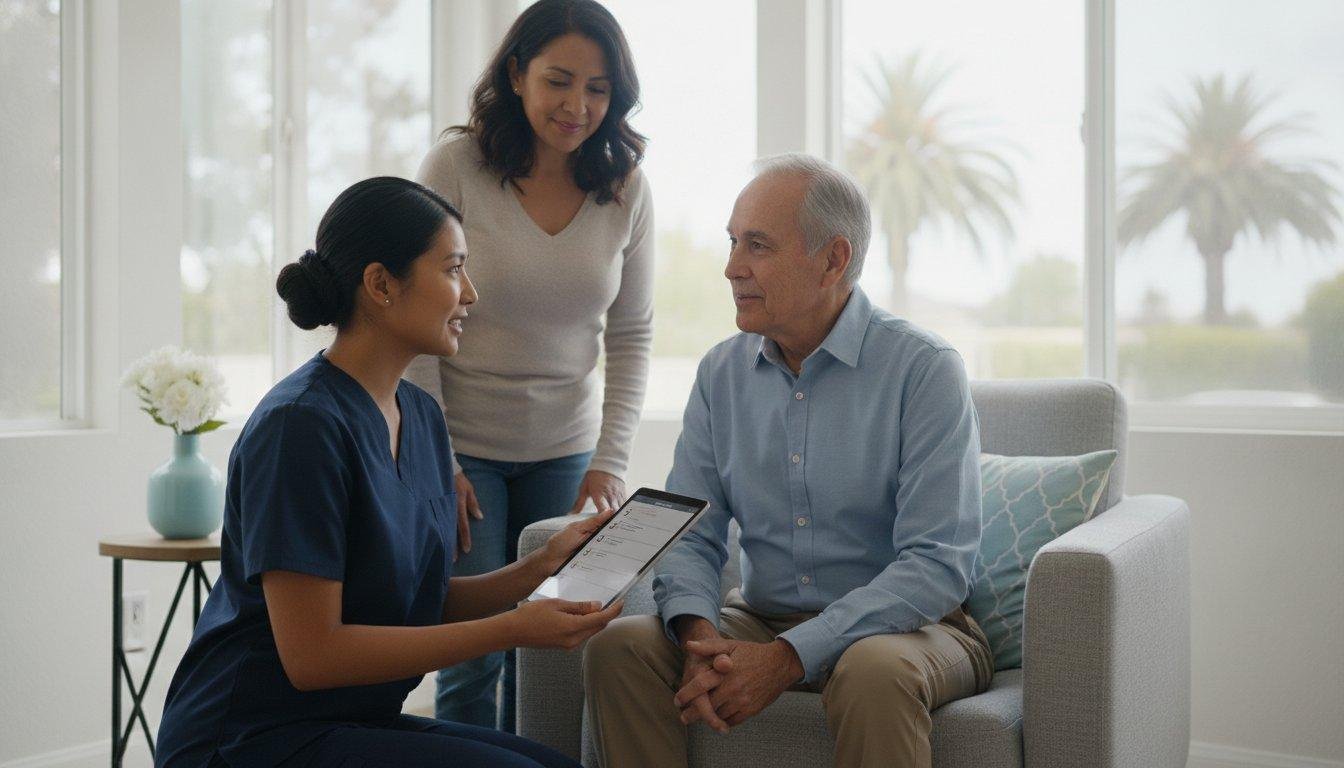
Could the difference between a successful recovery at home and a sudden hospital readmission be a single clinical visit? For many families, the period following a hospital discharge is defined by high stress and medical uncertainty. It’s often difficult to determine if a loved one’s change in mobility is a temporary setback or a sign of a more serious health decline. You want to provide the best support possible, but the technical requirements of skilled nursing and therapeutic disciplines can feel overwhelming to manage without expert guidance.
We understand that you need more than a basic safety walkthrough; you need a professional roadmap for care. This guide explains exactly what a clinical home health assessment for elderly patients involves and how it serves as a diagnostic tool for long-term independence. By using our professional checklist, you’ll learn to identify specific care needs that require specialized intervention. We’ll walk you through the clinical process so you can communicate clearly with physicians and secure the peace of mind that comes from a disciplined, medical plan of action.
Key Takeaways
- Understand why a professional clinical evaluation is the mandatory first step for accessing physician-prescribed skilled nursing and therapeutic services.
- Learn the specific medical and functional metrics used during a home health assessment for elderly patients to determine the appropriate level of clinical support.
- Identify “red flag” indicators, such as mobility changes or medication errors, that signal an immediate need for skilled intervention.
- Discover how to streamline the assessment process by organizing essential medical documentation and comprehensive medication lists before the clinician arrives.
- See how a multidisciplinary team of Registered Nurses and therapists collaborates to design a customized care plan focused on patient independence.
Understanding the Home Health Assessment: Why It Is the First Step in Clinical Care
A home health assessment for elderly individuals is a formal, multidimensional diagnostic process that serves as the cornerstone of home-based medical care. Unlike a casual safety check, this evaluation is a comprehensive clinical review of a patient’s medical, physical, and social needs. It is a mandatory requirement for any patient seeking skilled nursing or therapy services. This process ensures that every intervention is medically necessary and specifically tailored to the individual’s current health status. By documenting the patient’s condition in detail, the assessment provides the legal and clinical justification required by insurance providers and Medicare to authorize professional care.
Families often find themselves confused by the distinction between “home care” and “home health.” While non-medical home care focuses on assistance with daily tasks like meal preparation or light housekeeping, home health is a clinical service. A home health assessment for elderly patients is designed to bridge the gap between a hospital stay and long-term independence. It acts as the vital foundation for a physician-approved Plan of Care. This document outlines the specific medical goals, the frequency of clinician visits, and the therapeutic milestones the patient is expected to reach during their recovery.
The Clinical Purpose: Beyond Basic Safety
The primary objective of a clinical assessment is to identify early markers of frailty and chronic disease progression before they lead to a crisis. By establishing a precise baseline of health, the clinical team can set measurable rehabilitative goals for Physical Therapy, Occupational Therapy, and Speech Therapy. This process often incorporates a Comprehensive Geriatric Assessment, which allows practitioners to evaluate the patient’s health through a holistic lens. A critical outcome of this visit is medication reconciliation. A licensed professional must verify that all prescriptions and over-the-counter supplements are being taken correctly. This step is essential to prevent adverse drug interactions, which are a leading cause of hospital readmissions among seniors.
Who Conducts the Assessment?
The Registered Nurse (RN) typically serves as the primary clinical evaluator during the initial visit. They are responsible for the overall intake and the coordination of the multidisciplinary care team. When a patient’s needs are primarily rehabilitative, specialized Physical or Occupational Therapists will perform their own discipline-specific evaluations. These assessments focus on range of motion, gait stability, and the ability to perform activities of daily living safely. In many cases, a Medical Social Worker also joins the process to evaluate the home support system. They ensure the patient has the necessary social resources and emotional support to adhere to the clinical plan successfully.
Key Components of a Professional Geriatric Home Assessment
A professional home health assessment for elderly individuals serves as a high-resolution diagnostic window into a patient’s daily life. While hospital-based care focuses on acute stabilization, the home-based clinical evaluation prioritizes long-term stability and the prevention of health complications. This evaluation begins with a comprehensive physical health review. Clinicians record vital signs, analyze nutritional status, and document the progression of existing medical conditions to ensure the patient is physiologically stable enough for home-based rehabilitation. This data allows the clinical team to adjust interventions before minor symptoms escalate into a crisis.
Functional capacity is another critical pillar of the evaluation. Unlike a social visit, this assessment uses standardized metrics to evaluate a patient’s ability to perform Activities of Daily Living (ADLs), such as bathing and dressing, along with Instrumental ADLs like managing finances or preparing meals. Identifying deficits in these areas allows the clinical team to prescribe the specific level of Skilled Nursing Care required to bridge these gaps safely. By understanding these functional limitations, clinicians can develop a plan that promotes autonomy while maintaining safety.
Cognitive and emotional screenings are equally vital to the patient’s overall well-being. Clinicians assess memory, mood, and mental clarity to identify signs of depression or cognitive decline that could hinder recovery. These Key Components of a Professional Geriatric Home Assessment utilize validated tools to create a reliable clinical profile. Finally, the environmental safety review identifies specific fall risks and accessibility barriers, such as inadequate lighting or steep thresholds, that could compromise the patient’s safety. This thorough approach ensures that the home environment supports the clinical goals established in the care plan.
Medication Management and Safety
The reconciliation of medications is a primary clinical priority during the assessment. A licensed nurse meticulously reviews all prescriptions, over-the-counter medications, and supplements to check for potential drug interactions or expired bottles. Beyond a simple inventory, the clinician assesses the patient’s physical and cognitive ability to self-administer these medications safely. This step is crucial for preventing medication errors, which frequently lead to emergency room visits and disrupt the recovery process.
Clinical Indicators for Specialized Therapy
During the evaluation, specific physical indicators determine the necessity of specialized therapeutic disciplines. Gait and balance testing are used to evaluate the need for Physical Therapy to prevent falls and improve mobility. Fine motor skill assessments and “mastery of tasks” evaluations help determine if Occupational Therapy is required to restore independence in daily routines. Additionally, clinicians perform swallowing and communication screenings to identify if Speech Therapy is necessary for safe oral intake and effective expression.
The Family Observation Checklist: Identifying When Skilled Intervention is Needed
Families often serve as the most critical observers in a patient’s care circle. While a professional home health assessment for elderly patients provides a formal clinical baseline, your daily observations can identify subtle shifts that signal a need for more intensive support. By using a structured checklist, you can transform general concerns into specific, actionable data for a clinical team. This preparation ensures that the initial evaluation captures the full scope of the senior’s health status, rather than just a snapshot of a single hour. When you provide concrete examples of recent changes, you help the clinical team prioritize the most urgent aspects of the care plan.
We recommend documenting changes in mobility, mood, and physical health over a 7-day period. This timeframe is long enough to reveal patterns that might be missed in a shorter window. For instance, you might notice that a loved one is consistently more confused in the evening or that their balance is significantly worse after taking certain medications. Recording these details helps clinicians determine if a patient’s needs have evolved beyond basic assistance. Skilled intervention is care that requires the expertise of a licensed nurse or therapist to perform safely and effectively.
Several “Red Flag” indicators should prompt an immediate request for a professional clinical evaluation. These indicators often suggest that the senior’s current support system is no longer sufficient to maintain their safety and health. Look for the following signs:
- Unexplained weight loss, which may indicate nutritional deficits, swallowing difficulties, or underlying chronic conditions.
- Frequent falls or “near-misses” that suggest a decline in gait stability or muscle strength.
- Missed medications or confusion regarding dosages, which can lead to rapid physiological decline and hospital readmission.
Mobility and Safety Observations
Observe how the senior moves through their living space. Do they rely on furniture for balance when walking from room to room? This behavior, often called “furniture surfing,” is a significant indicator of instability that increases the risk of a serious fall. You should also look for visible bruises on the arms or hips, as these often point to “hidden” falls that the senior may not have reported out of fear or forgetfulness. Difficulty getting in or out of a chair or bed without multiple attempts often signals a loss of core strength that requires specialized Physical Therapy intervention.
Clinical and Cognitive Observations
Physical and mental shifts often occur simultaneously and can be early markers of health decline. Check for wounds or skin tears that appear slow to heal, as poor circulation or inadequate nutrition can severely impede the body’s recovery process. Increased confusion regarding the time of day or the daily routine can indicate cognitive fatigue or even a potential infection. Additionally, a noticeable change in appetite or hydration habits should be noted, as these factors directly impact the effectiveness of prescribed medications and the patient’s overall energy levels for rehabilitation.
How to Prepare for a Home Health Assessment Visit in Los Angeles
Preparing for a clinical visit in a high-paced metropolitan area like Los Angeles requires a level of organization that goes beyond basic household tidiness. A home health assessment for elderly patients is a formal medical encounter that establishes the legal and clinical framework for all future care. To maximize the effectiveness of this visit, families should treat it with the same level of preparation as a specialist physician appointment. Proper preparation allows the evaluating clinician to focus entirely on the patient’s physical and functional status rather than searching for missing paperwork.
The presence of a primary caregiver or a family decision-maker is essential during this initial evaluation. This individual provides critical context regarding the senior’s daily routine and can offer insights into behavioral changes that the patient might not report themselves. Having a designated representative present also ensures that the clinician can obtain informed consent and clarify the goals of the physician-approved Plan of Care. Organizing these documents ensures our team can initiate Skilled Nursing Care with a clear understanding of your loved one’s medical history and current clinical needs.
Physical accessibility is another practical priority for a productive visit. The clinician will need to perform a “walk-through” of the home to identify potential safety hazards and evaluate the patient’s mobility in different environments. Ensure that all rooms, especially the bathroom and bedroom, are accessible and well-lit. This allows the practitioner to make accurate recommendations for home modifications or assistive devices that will support the senior’s independence.
Gathering Clinical Information
Compiling a thorough medical history is the most impactful step you can take to assist the clinical team. Gather recent hospital discharge papers, latest laboratory results, and a complete list of contact information for all attending physicians. It’s also vital to create a comprehensive list of all current medications, including dosages and frequencies. Note down any specific questions you have regarding wound care management or rehabilitation milestones. Identifying the primary pharmacy used for prescription refills will also help the nurse synchronize the medication reconciliation process without delay.
Setting the Environment for a Productive Visit
A calm environment facilitates a more accurate cognitive and physical evaluation. Secure pets in a separate area to ensure the clinician can move freely and safely through the home during the environmental assessment. It’s helpful to provide a quiet, private space for the medical interview, as this allows the senior to answer sensitive questions regarding their health and mood without distraction. Finally, have the senior’s ID and insurance cards, such as Medicare or private provider information, ready for verification to prevent administrative delays in the commencement of services.
Everest Peak’s Clinical Assessment Process: Specialized Care for North Hollywood
Everest Peak Home Health Care prioritizes a methodical and disciplined approach to the home health assessment for elderly residents across the San Fernando Valley. We recognize that a clinical evaluation is not a task to be rushed; it’s a foundational diagnostic event that dictates the trajectory of a patient’s recovery. Our clinicians take the necessary time to observe the senior in their natural environment, ensuring that every nuance of their physical and cognitive health is documented with precision. This unhurried pace allows for the preservation of patient dignity while maintaining the rigorous standards of clinical excellence required for home-based medical care.
Our commitment to professional empathy means we view each assessment as an opportunity to build a stable partnership with the family. We understand the stress associated with post-hospitalization logistics and the fear of missing early signs of health decline. By acting as a knowledgeable guide through the complexities of the healthcare system, we provide a structured path toward independence. This patient-centered approach ensures that the individual’s autonomy is respected while their medical needs are met with authoritative expertise.
Multidisciplinary Expertise Under One Roof
Coordinating medical care across multiple providers can be a significant source of stress for Los Angeles families. At Everest Peak, we eliminate this fragmentation by housing a multidisciplinary team of Registered Nurses, Physical Therapists, and Occupational Therapists within a single coordinated agency. When we perform a home health assessment for elderly patients, our specialists collaborate to ensure the Plan of Care addresses every dimension of the senior’s health. For example, a nurse’s clinical findings regarding medication management are immediately integrated with a Physical Therapist’s gait stability goals. This cohesive strategy ensures that Skilled Nursing Services Los Angeles are delivered with professional rigor and clinical oversight. Additionally, our Medical Social Workers provide essential support by connecting families with community resources and assisting with the complexities of long-term care planning.
Starting Your Care Journey with Everest Peak
The transition from a clinical assessment to active care implementation is seamless and highly organized. Once the initial evaluation is complete, our team begins implementing the physician-approved Plan of Care without delay. Within the first 24 to 48 hours following our initial visit, you can expect the commencement of scheduled clinician visits and the delivery of specialized therapeutic interventions. This rapid response is designed to stabilize the patient’s condition and provide immediate peace of mind to the family. We serve North Hollywood and the surrounding communities with a commitment to clinical excellence and compassionate support. To begin this process, you may Contact Everest Peak Home Health Care to schedule a professional assessment today. Our team acts as a dependable partner, offering a clear and professional roadmap through the challenges of aging and recovery.
Securing a Structured Path for Patient Recovery
Establishing a stable recovery at home requires a transition from reactive care to a proactive, clinical strategy. By understanding the components of a professional home health assessment for elderly patients, you’ve taken the first step toward ensuring your loved one’s independence and safety. This process establishes a vital medical baseline that allows for the early detection of health declines and the implementation of a precise, physician-approved Plan of Care.
Everest Peak Home Health Care provides this essential oversight through our comprehensive multidisciplinary care teams. Our staff includes licensed Registered Nurses and Vocational Nurses who are dedicated to maintaining the highest clinical standards across North Hollywood and the San Fernando Valley. We’re here to act as your dependable partner, offering the expertise of Physical, Occupational, and Speech Therapists to support every aspect of the rehabilitative journey.
You don’t have to navigate these health transitions alone. By choosing a structured and observant care partner, you ensure that your family member receives the dignity and professional support they deserve. Schedule a Clinical Home Health Assessment for Your Loved One today to begin a personalized journey toward improved health and long-term stability.
Frequently Asked Questions
Is a home health assessment the same as a caregiver interview?
No, these are distinct processes with different objectives. A caregiver interview focuses on personality fit and scheduling for non-medical assistance with daily tasks. Conversely, a home health assessment for elderly patients is a clinical diagnostic tool performed by a licensed professional to determine medical and rehabilitative needs. It involves physical evaluations, medication reconciliation, and functional testing to establish a formal Plan of Care that is medically supervised.
How long does a professional home health assessment typically take?
A comprehensive initial assessment generally takes between 60 and 90 minutes. This duration ensures the clinician can thoroughly review the patient’s medical history, perform a physical examination, and conduct a safety walk-through of the living environment. The unhurried pace allows the Registered Nurse or therapist to observe the patient’s mobility and cognitive status in detail, ensuring that no clinical indicator or potential safety hazard is overlooked.
Does Medicare cover the cost of a home health assessment for the elderly?
Medicare covers clinical assessments when they are deemed medically necessary and ordered by a physician. Starting January 1, 2026, Medicare also explicitly covers home safety evaluations that are initiated by a doctor. These assessments are essential for establishing eligibility for skilled nursing or therapy services under the Medicare home health benefit, provided the patient meets the specific homebound requirements defined by federal guidelines.
What happens if the assessment determines my parent needs more care than we thought?
If the evaluation identifies higher clinical needs, the clinician will collaborate with the primary physician to adjust the Plan of Care accordingly. This might include increasing the frequency of Skilled Nursing visits or adding specialized disciplines like Occupational or Speech Therapy. The goal is to provide a higher level of professional intervention to prevent hospital readmissions and ensure the patient’s safety while they remain in their own home.
Can a home health assessment be performed if my parent is still in the hospital?
While the formal home health assessment for elderly patients must occur in the residence to evaluate the physical environment, the process often begins with a hospital consultation. A transition coordinator or clinical liaison reviews the patient’s status before discharge to ensure a seamless handoff. The official clinical assessment typically takes place within 24 to 48 hours of the patient returning home to establish an immediate care plan.
Who decides which services (Nursing vs. PT) are included in the Plan of Care?
The patient’s primary physician makes the final determination based on the clinical findings provided by the assessing nurse or therapist. This collaborative process ensures that every service, from Physical Therapy to Medical Social Services, is medically justified and targeted toward specific recovery goals. The resulting Plan of Care serves as a professional roadmap that is reviewed and signed by the doctor to authorize all therapeutic interventions.
How often are home health assessments updated?
Clinical assessments are formally updated at least every 60 days, which is known as a recertification period. However, clinicians perform mini-assessments during every visit to monitor progress and identify any new health challenges. If a patient experiences a significant change in condition, such as a fall or a new diagnosis, a comprehensive “Resume of Care” assessment is conducted to realign the therapeutic goals with the patient’s current needs.
Do I need a doctor’s referral for a home health assessment in California?
Yes, a physician’s order is legally required to initiate skilled home health services in California. This requirement ensures that the care provided is part of a supervised medical strategy. While families can contact an agency like Everest Peak to begin the process, the clinical team will coordinate directly with the patient’s doctor to obtain the necessary authorization for the initial assessment and any subsequent treatment plans.