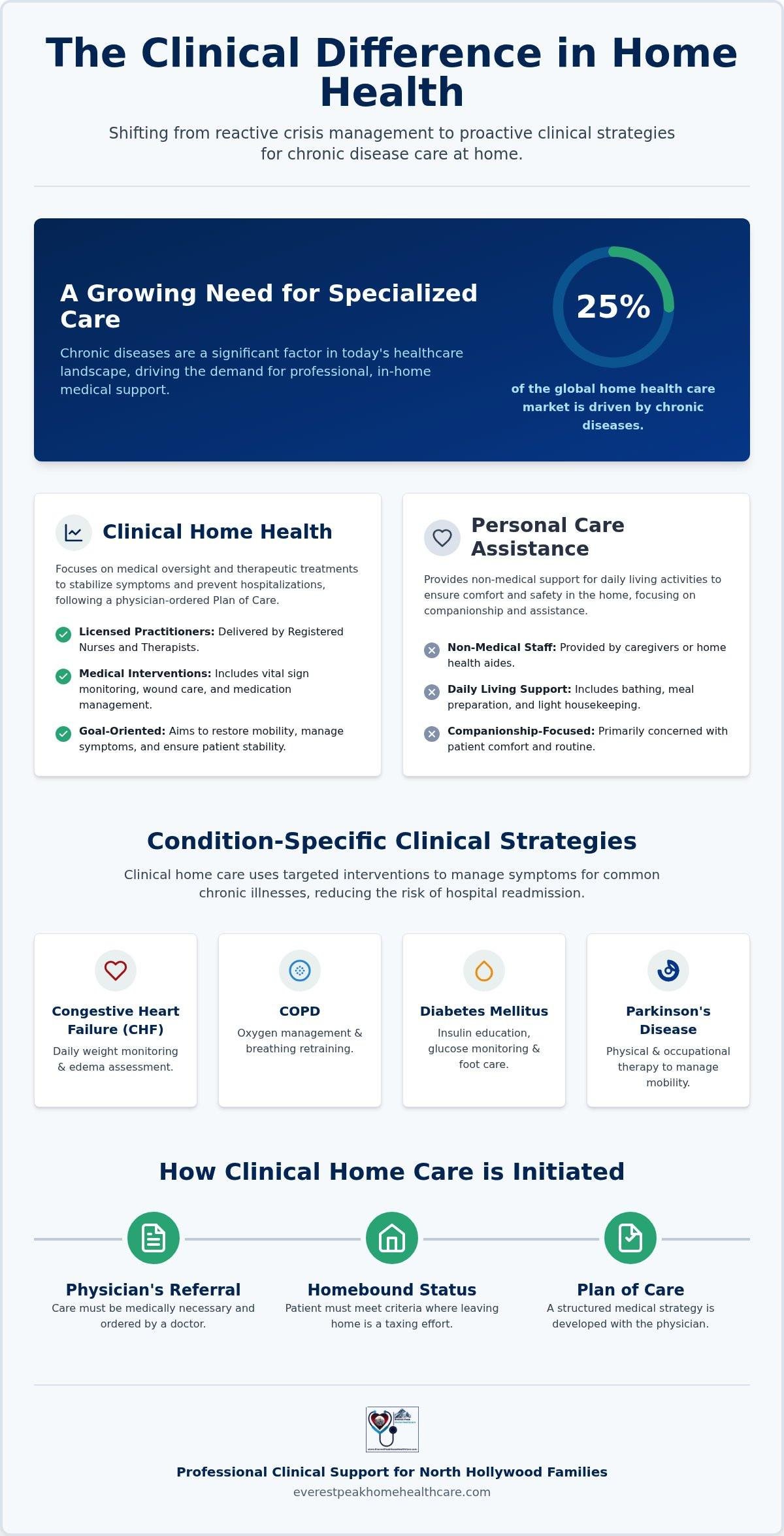
Did you know that chronic diseases now account for over 25 percent of the global home health care market? For many families in North Hollywood, the daily challenge involves more than just managing a diagnosis. It’s often defined by the persistent fear of a medical emergency or the burnout that comes from managing complex medication schedules. Professional chronic disease home care shifts the focus from reactive crisis management to a proactive clinical strategy. By bringing licensed registered nurses and specialized therapists into the home, families can replace uncertainty with a structured medical plan designed to maintain patient stability.
It’s understandable to feel overwhelmed by declining mobility or the technical demands of a treatment plan. You likely want a solution that prioritizes dignity and independence without sacrificing clinical safety. This guide outlines how professional home health services provide the medical oversight necessary to prevent hospitalizations and stabilize long-term symptoms. We’ll examine how a multidisciplinary team of physical and occupational therapists works together to improve daily quality of life. By following a physician-ordered plan of care, you can ensure a safer environment that supports recovery and long-term health at home.
Key Takeaways
- Understand how clinical chronic disease home care provides specialized medical oversight that differs from basic personal care assistance.
- Learn how the coordination between skilled nursing and rehabilitative therapists creates a structured environment for symptom stabilization.
- Identify specific clinical interventions for conditions like heart failure and COPD that help prevent unnecessary hospital readmissions.
- Discover how to conduct a comprehensive home safety assessment to identify fall risks and evaluate a patient’s ability to perform daily activities.
- Explore how professional clinical support acts as a vital bridge between hospital discharge and long-term stability for families in North Hollywood.
What is Chronic Disease Home Care? Defining Clinical Support
Chronic disease home care involves the delivery of professional medical services directly to a patient’s residence. Unlike general assistance, this model relies on scheduled visits from licensed practitioners such as Registered Nurses, Physical Therapists, and Occupational Therapists. Understanding What is Home Care? requires a clear distinction between basic companionship and these high-level clinical interventions. The primary objective is the stabilization of chronic symptoms to prevent acute medical crises that lead to emergency room visits. By implementing a structured medical strategy, patients can manage their health in a familiar environment while maintaining their autonomy.
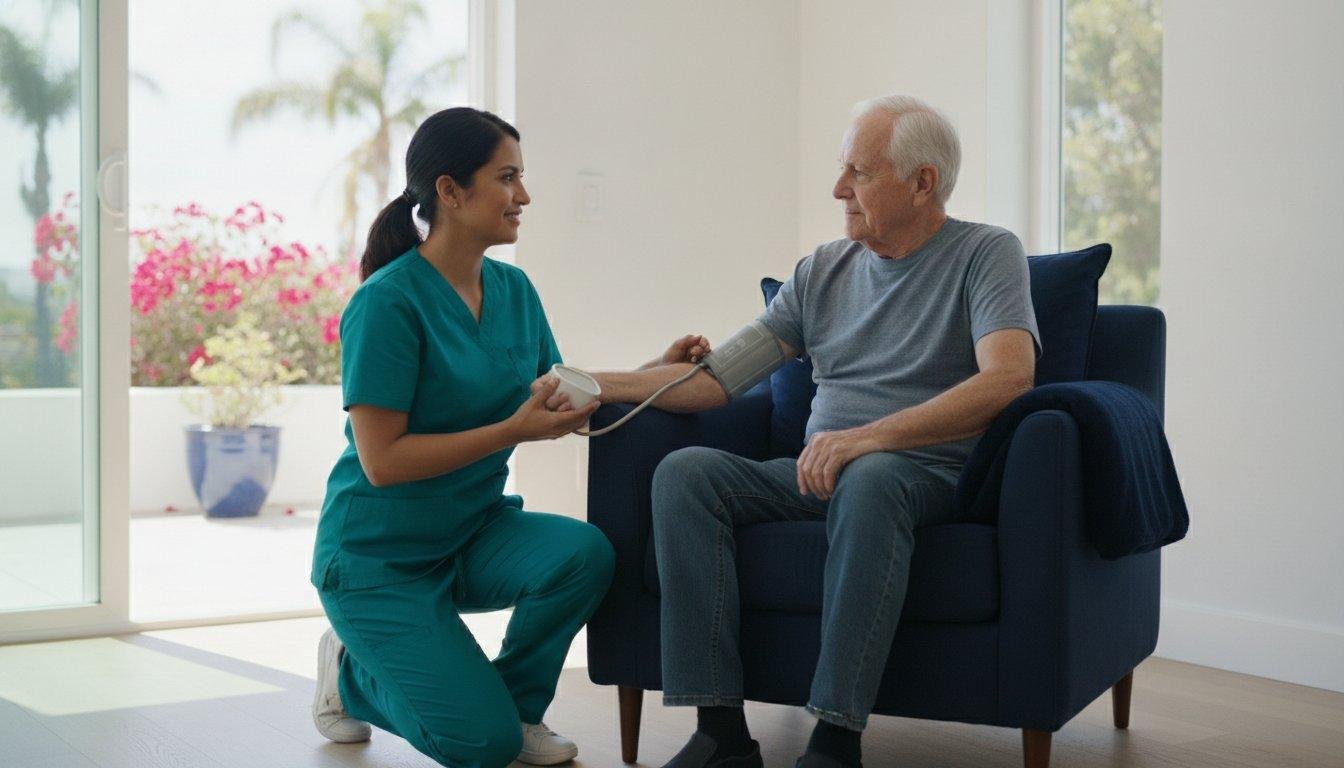
It’s vital to separate clinical care from non-medical personal care assistance. While personal care focuses on bathing or meal preparation, clinical support involves diagnostic assessments and therapeutic treatments. For example, a nurse monitors vital signs and manages complex wound care; meanwhile, a therapist works on restoring mobility. This specialized oversight is commonly utilized for several conditions:
- Congestive Heart Failure (CHF): Focusing on daily weight monitoring and edema assessment.
- Chronic Obstructive Pulmonary Disease (COPD): Involving oxygen management and breathing retraining.
- Diabetes Mellitus: Including insulin education, blood glucose monitoring, and specialized foot care.
- Parkinson’s Disease: Utilizing physical and occupational therapy to manage tremors and preserve mobility.
The Clinical Difference: Why Professional Oversight Matters
Transitioning from family-led care to professional medical management provides a layer of safety that manual caregiving cannot match. Clinical oversight introduces a formal Plan of Care, which is a structured medical strategy developed in direct collaboration with the patient’s physician. This ensures every intervention, from medication adjustments to physical exercises, aligns with specific health goals. Skilled nursing in the context of chronic disease monitoring involves the specialized medical assessment and treatment performed by licensed nurses to manage complex health needs that require professional judgment.
Who Qualifies for Chronic Disease Home Health?
Eligibility for these services depends on meeting specific medical and regulatory criteria. The patient must generally meet the homebound requirement, which means leaving the home requires a taxing effort or the assistance of another person. Often, a recent hospital stay or a significant change in a medical condition triggers this eligibility. A doctor’s referral is mandatory for clinical home visits to begin. This referral ensures that chronic disease home care is medically necessary and remains integrated into the patient’s broader healthcare journey. In 2026, many patients find that these services are covered with no copayment under Medicare, provided they meet the physician-ordered plan requirements.
The Multidisciplinary Team: Coordinating Your Care Plan
Effective chronic disease home care depends on a synchronized effort between various clinical specialists. While hospital departments are often physically separated, home-based clinical teams operate as a unified unit within the patient’s residence. This coordination ensures that medical, physical, and emotional needs are addressed simultaneously to preserve long-term health and patient autonomy. By integrating multiple disciplines, families receive a comprehensive support system that adapts to the evolving nature of long-term illness.
Skilled Nursing: The Front Line of Chronic Management
Registered Nurses and Licensed Vocational Nurses serve as the primary clinical monitors in a home setting. Their role involves proactive monitoring to catch “red flag” symptoms, such as sudden edema or respiratory changes, before they escalate into emergencies. Beyond vital sign monitoring and medication management, nurses provide essential education on Managing Chronic Conditions at Home. This empowers families to understand disease progression and participate in daily self-care with confidence. By coordinating directly with primary care physicians, nurses help adjust treatment plans in real-time based on the patient’s current clinical status.
Rehabilitative Therapies: Maintaining Physical Autonomy
Restoring mobility is a cornerstone of clinical home support. Physical Therapy focuses on strength training and fall prevention, which is particularly vital for patients with chronic respiratory or cardiac conditions. Occupational Therapy complements this by teaching energy conservation techniques for daily activities; this ensures patients can perform tasks like dressing or bathing without excessive fatigue. For those navigating neurological challenges like Parkinson’s, Speech Therapy provides essential support for managing swallowing disorders and cognitive communication issues. These interventions are designed to bridge the gap between hospital discharge and long-term stability.
Medical Social Services: Navigating Logistical Hurdles
Medical Social Workers address the emotional and logistical hurdles that often accompany long-term illness. They assist families in identifying community resources and navigating the complexities of healthcare systems. This holistic approach ensures that the stress of caregiving doesn’t compromise the patient’s recovery process. If you are looking for specialized expertise to manage these transitions, our multidisciplinary team in North Hollywood can help create a customized plan tailored to your family’s specific needs. This structured support system allows patients to remain in their homes while receiving the high level of care they require.
Condition-Specific Strategies: Reducing Hospital Readmissions
Managing a long-term illness requires more than general supervision; it demands condition-specific clinical interventions tailored to the unique risks of each diagnosis. When families utilize chronic disease home care, they gain access to specialized protocols designed to stabilize health and prevent the sudden declines that lead back to the hospital. These strategies focus on high-risk areas where clinical oversight makes the most significant difference in patient outcomes.
- Heart Failure Management: Nurses conduct daily weight monitoring to detect fluid retention early. They perform regular edema assessments and educate patients on sodium restriction to manage cardiac workload.
- COPD and Respiratory Care: Clinical visits focus on oxygen saturation management and the implementation of breathing retraining techniques. These exercises help patients manage shortness of breath and improve lung efficiency.
- Diabetes Care: Specialized nursing focuses on complex wound prevention through regular foot inspections. They also provide nutritional monitoring and blood glucose education to maintain stable metabolic levels.
- Neurological Support: For those recovering from a stroke or living with Parkinson’s, therapists implement clinical strategies to manage tremors, improve gait, and ensure safe swallowing.
Breaking the Cycle of Rehospitalization
Many patients experience a “revolving door” of hospital visits because subtle symptoms go unnoticed until they become full-blown emergencies. In the San Fernando Valley, the transition from acute hospital care to home stability is often the most vulnerable period for a patient. Professional clinical visits provide 24/7 symptom awareness by training caregivers to recognize early warning signs. Consistent clinical monitoring at home directly correlates with lower readmission rates by identifying physiological changes before they require acute intervention. This proactive approach transforms the home into a safe, controlled environment for recovery.
Medication Reconciliation: Preventing Adverse Events
The danger of polypharmacy, or taking multiple medications, is a significant concern in chronic disease management. It’s common for patients to have prescriptions from various specialists that may interact poorly. A structured Multidisciplinary Care Plan allows nurses to reconcile these medications, ensuring adherence and identifying potential drug interactions. By creating a sustainable system for family caregivers, clinical teams reduce the risk of dosing errors. This oversight is a core component of chronic disease home care, as it ensures that the pharmacological strategy supports, rather than complicates, the patient’s overall health goals.
Assessing Home Care Needs: A Los Angeles Family Guide
Determining the appropriate level of support for a loved one requires a systematic approach that balances medical necessity with personal safety. Identifying needs is the first step. For families in the San Fernando Valley, this process often begins during the transition from a hospital setting to the home environment. A structured assessment ensures that every clinical requirement is met while preserving the patient’s independence. Follow these steps to build a sustainable care plan:
- Step 1: Conduct a clinical home safety assessment to identify fall risks and environmental hazards.
- Step 2: Evaluate the patient’s ability to perform Activities of Daily Living (ADLs) such as dressing, hygiene, and mobility.
- Step 3: Determine the frequency of nursing versus therapy visits required based on the physician’s Plan of Care.
- Step 4: Verify insurance coverage and Medicare eligibility in California. As of 2026, the Medicare Part B deductible is $283, though covered home health services typically require a $0 copayment.
- Step 5: Select a licensed agency with local expertise in North Hollywood to ensure seamless coordination with local healthcare providers.
Home Safety and Environmental Adjustments
Bathrooms and stairways are primary “hot spots” where chronic patients face the highest risk of injury. Clinical chronic disease home care incorporates the expertise of Occupational Therapists to recommend specific environmental modifications. These specialists evaluate the need for durable medical equipment and suggest layout changes to conserve the patient’s energy. Utilizing a Home Health Assessment for Elderly checklist can help families identify these risks before the first clinical visit occurs.
Navigating the Emotional Impact on Caregivers
Caregiver burnout is a significant clinical concern when managing long-term illnesses. The technical demands of medication schedules and the physical requirements of mobility assistance can quickly overwhelm family members. Medical Social Workers provide a vital bridge in these scenarios, offering professional counseling and connecting families with community resources throughout Los Angeles. They help balance the patient’s complex clinical needs with their inherent desire for dignity and privacy. This holistic support system ensures the caregiver remains a healthy part of the recovery circle.
If you are ready to establish a professional medical strategy for your loved one, our team is here to guide you. Contact us today to schedule a clinical assessment in the San Fernando Valley and take the first step toward stabilized home health.
Everest Peak: Professional Clinical Support in North Hollywood
Everest Peak operates as a vital clinical bridge for families navigating the complexities of chronic disease home care in North Hollywood and the San Fernando Valley. Our multidisciplinary team, which includes licensed Registered Nurses, Physical Therapists, Occupational Therapists, and Speech Therapists, prioritizes clinical excellence while maintaining a high level of professional empathy. We recognize that every chronic condition requires a unique medical strategy that cannot be addressed with a one-size-fits-all approach. By developing customized care plans in coordination with attending physicians, we ensure that our interventions directly address the specific physiological and rehabilitative needs of each individual patient.
Choosing a localized provider offers distinct advantages for families in the greater Los Angeles area. Our proximity to major regional health systems allows for a quicker response time and more efficient communication with local primary care physicians and specialists. This deep familiarity with the local medical landscape ensures that your loved one’s care remains integrated, consistent, and highly responsive to changes in their condition. We position ourselves as a protective extension of the family’s care circle, providing the steady support needed during difficult health transitions.
A Structured Path to Recovery and Stability
Our clinical philosophy is characterized by a methodical and unhurried assessment process. We don’t believe in hurried visits; instead, we prioritize a thorough monitoring system that identifies subtle health changes before they escalate into medical emergencies. This “service-to-outcome” model ensures that every clinical visit from our licensed practitioners leads to a practical benefit for the patient’s quality of life. Whether it is a Physical Therapist working on gait stability or a Registered Nurse managing complex medication schedules, the goal remains the same: the preservation of patient autonomy and the prevention of hospital readmissions through expert clinical oversight.
Getting Started with Everest Peak Home Health Care
The transition from a hospital discharge to home-based stability is a critical period that requires precise professional coordination. We work directly with your doctor to establish a formal Plan of Care and initiate clinical visits as soon as the medical referral is processed. During the initial clinical assessment in your home, our specialists evaluate the patient’s current clinical status, environmental safety risks, and Activities of Daily Living (ADLs). This detailed baseline allows us to implement the most effective strategies for long-term symptom management within a chronic disease home care framework. If you are ready to secure specialized medical support, you can Contact Everest Peak for a Professional Care Consultation to begin your journey toward a more stable and independent life at home.
Securing a Stable Future with Professional Clinical Oversight
Managing a long-term condition doesn’t have to mean living in a state of constant medical crisis. By implementing a structured medical strategy, families can shift from reactive emergency visits to a proactive, stabilized routine. This guide has explored how professional clinical oversight, condition-specific management, and home safety assessments create a foundation for long-term health. Utilizing chronic disease home care ensures that licensed professionals are observing “red flag” symptoms and coordinating treatment plans directly with your physician.
Everest Peak provides this essential clinical bridge in North Hollywood and the greater Los Angeles area. Our team of licensed Registered Nurses, Vocational Nurses, and specialized therapists is committed to clinical excellence and the preservation of patient dignity. You can take the first step toward a more predictable and independent lifestyle today. Please schedule a clinical assessment with Everest Peak Home Health Care to begin developing a customized care plan tailored to your family’s needs. You have the power to transform the recovery experience into a journey of stability and confidence.
Frequently Asked Questions
What is the difference between home health care and home care for chronic disease?
Home health care involves clinical services provided by licensed medical professionals, such as Registered Nurses and Physical Therapists, to treat specific medical conditions. In contrast, non-medical home care focuses on companionship and basic assistance with household chores. Clinical chronic disease home care is specifically ordered by a physician to manage long-term health needs, monitor vital signs, and provide therapeutic interventions that preserve patient autonomy and safety.
How often will a nurse or therapist visit my home?
The frequency of clinical visits is determined by the specific Plan of Care developed in collaboration with your physician. For some patients, this may involve daily visits during an acute phase, while others may require twice-weekly monitoring to ensure stability. These visits are scheduled based on the severity of the chronic condition and the patient’s progress toward specific rehabilitative and safety goals.
Does Medicare cover chronic disease home care in California?
Medicare typically covers the full cost of home health services if they are deemed medically necessary and the patient meets homebound requirements. As of 2026, patients in California pay a $0 copayment for covered clinical visits after meeting their annual Part B deductible. It’s essential that these services are provided by a Medicare-certified agency and remain part of a structured, physician-ordered plan of care.
Can home care help prevent my parent from going back to the hospital?
Clinical home care is a proactive strategy designed to reduce hospital readmissions by identifying early warning signs of health decline before they become critical. Licensed nurses monitor “red flag” symptoms, such as sudden weight changes or respiratory distress, and adjust treatment plans in real-time. This professional oversight ensures that minor issues are addressed promptly, preventing acute medical emergencies that would otherwise require hospitalization.
What happens if a patient’s condition changes between scheduled visits?
If a patient’s condition shifts, the clinical team coordinates with the primary care physician to reassess the Plan of Care immediately. Nurses use these observations to modify interventions or increase visit frequency to ensure continued safety. While home health is not an emergency response service, the structured monitoring system allows for timely medical adjustments that maintain long-term patient stability and comfort.
Do I need a doctor’s referral to start chronic disease home care?
A physician’s referral is mandatory to initiate clinical home health services for any patient. This requirement ensures that the care provided is medically necessary and remains integrated with the patient’s overall health strategy. Once a doctor issues the referral, the home health agency conducts a comprehensive clinical assessment to establish the specific nursing and therapy interventions required for the home setting.
Which chronic conditions are most commonly managed at home?
Clinical teams frequently manage complex conditions such as Congestive Heart Failure, COPD, Diabetes, and Parkinson’s disease. These conditions require consistent monitoring of vital signs, medication reconciliation, and rehabilitative therapies. By managing these chronic diseases at home, patients can maintain their independence while receiving professional medical oversight tailored to their specific diagnosis and long-term recovery goals.
Is home health care available in North Hollywood and the San Fernando Valley?
Professional clinical support is readily available to residents throughout North Hollywood and the greater San Fernando Valley. Localized agencies provide licensed nursing and therapy services that are deeply integrated with the regional Los Angeles health systems. This local expertise allows for efficient coordination with your existing medical providers to ensure a seamless and safe transition from the hospital to the home.