
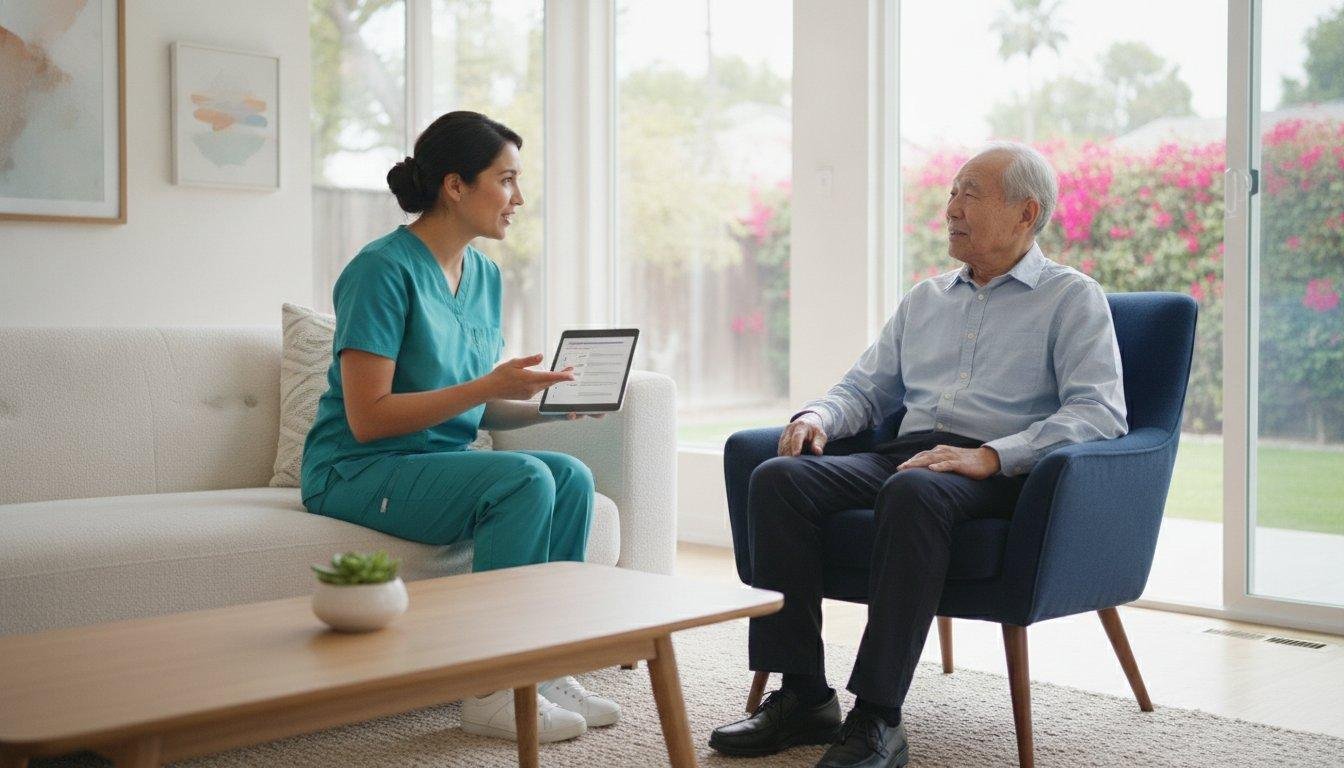
The first 48 hours after a hospital discharge represent the most critical window for preventing readmission, yet this period is often when families feel the most vulnerable. While returning home is a significant milestone, it introduces complex challenges like managing updated medication schedules and monitoring for subtle clinical changes. Professional post-hospitalization home care serves as a necessary medical bridge between acute hospital treatment and long-term wellness.
We understand that the responsibility of caregiving can feel heavy, especially when you’re balancing technical medical tasks with your loved one’s emotional needs. This article provides a structured, clinical guide to help you navigate this transition with a sense of quiet confidence. You’ll find a comprehensive recovery checklist for 2026 that details how to organize professional support, such as skilled nursing or occupational therapy, to ensure a safe and successful recovery. We will explore how to mitigate health risks, clarify care plans, and ultimately help your loved one regain their independence while avoiding the physical strain of unassisted care.
Key Takeaways
- Understand the “Clinical Bridge” model to see how physician-ordered programs facilitate a safe transition from acute hospital care to home-based independence.
- Prepare for discharge by requesting comprehensive medication reconciliation and specific clinical instructions for wound management or medical equipment use.
- Explore the specific roles of Registered Nurses and Physical Therapists in providing post-hospitalization home care to monitor vitals and improve patient strength.
- Conduct a thorough home safety audit to identify and mitigate fall risks through clutter removal and the installation of necessary assistive devices.
- Learn the essential criteria for selecting a licensed, multidisciplinary home health partner in Los Angeles to ensure a high standard of professional clinical support.
What is Post-Hospitalization Home Care? Defining the Clinical Bridge
Professional post-hospitalization home care is a physician-ordered, time-limited clinical program designed to support patients during the immediate weeks following a hospital discharge. It’s not simply a convenience; it’s a medically necessary protocol that serves as a “Clinical Bridge.” This concept describes the vital transition from the high-acuity environment of a hospital to the eventual goal of home independence. Without this bridge, the progress made during a hospital stay can be compromised by the complexities of managing a new recovery regimen alone. What is Post-Hospitalization Home Care? It’s the strategic application of professional medical oversight within the patient’s own residence to ensure safety and continuity of care.
The primary clinical goal of this intervention is the reduction of 30-day readmission rates. Statistics in the healthcare industry consistently show that the first month after discharge is the period of highest risk for complications. By implementing professional monitoring, clinicians can identify subtle changes in a patient’s condition before they escalate into emergencies. This proactive oversight allows for timely adjustments to the care plan, which directly prevents unnecessary returns to the emergency room and fosters a more stable recovery environment.
The Difference Between Medical and Non-Medical Home Care
Understanding the distinction between these two levels of support is essential for building an effective recovery strategy. Skilled nursing and therapy are clinical interventions that require professional licensure. For instance, a Registered Nurse may manage complex wound care or monitor vital signs, while a Physical Therapist focuses on strength and fall prevention. These services are specifically designed to treat a medical condition or injury.
Personal care assistance, meanwhile, involves help with the activities of daily living, often referred to as ADLs. This includes support with hygiene, dressing, and meal preparation. While these tasks are not clinical, they’re vital for the patient’s overall well-being and safety. Most successful post-hospitalization home care plans utilize a hybrid approach, combining skilled medical expertise with personal support to address the patient’s needs holistically.
Who Qualifies for Professional Post-Hospital Support?
To qualify for professional home-based support, a patient must generally meet the criteria for “homebound” status as defined by standard healthcare protocols. This status indicates that leaving the home requires a considerable and taxing effort, or the assistance of another person and specialized equipment. It ensures that clinical resources are allocated to those who cannot easily access outpatient facilities during their initial recovery phase.
Common conditions that require this level of professional intervention include recovery from major orthopedic surgery, stroke rehabilitation, or the management of acute cardiac events. Regardless of the specific diagnosis, the recovery process must be initiated by a medical professional. A primary care physician or a hospitalist must authorize the home health plan, certifying that the services are medically necessary. This oversight ensures that the care provided is both safe and aligned with the patient’s long-term health objectives.
The Pre-Discharge Checklist: Questions to Ask Your Hospital Team
The discharge process often feels like a rush of technical paperwork and rapid instructions, but it’s the most influential moment for your long-term recovery. Before you leave the facility, you must act as an advocate to ensure the clinical hand-off is seamless. Start by requesting a comprehensive medication reconciliation list. This document should explicitly state which previous prescriptions are discontinued and which new medications are required. Clear communication here prevents dangerous drug duplications or omissions that frequently lead to readmission.
Inquire about a formal functional assessment. This clinical evaluation determines the patient’s current mobility limitations, such as their ability to navigate stairs or transfer safely from a bed to a chair. Understanding these physical boundaries helps you and your care team identify necessary home modifications. Preparing for the transition involves more than just clinical paperwork; it also requires preparing your home for recovery by ensuring all necessary durable medical equipment, like walkers or oxygen concentrators, is delivered and set up before arrival.
You should also verify the following details with your discharge planner:
- Wound Care Protocols: Obtain specific, written instructions for dressing changes and signs of infection.
- Follow-up Appointments: Confirm the exact date and time of the first visit with the surgeon or specialist.
- Clinical Referral: Ensure the hospital has transmitted the patient’s clinical records to your chosen agency to initiate post-hospitalization home care without delay.
Medication Management and Safety
Pharmacological safety is a cornerstone of a stable recovery. Ask the hospital nurse for a “teach-back” session, where you or the patient explains the medication schedule back to the clinician to confirm understanding. It’s vital to identify potential interactions between new post-op prescriptions and existing supplements. When you coordinate your post-operative care through a professional agency, a nurse will perform a secondary review of these medications during the first visit to ensure total accuracy.
Coordinating the Hand-off to Everest Peak
To facilitate a professional transition, ensure the hospital discharge planner has the correct contact information for Everest Peak. The first 24 to 48 hours after returning home are the most critical for patient safety. During this window, an intake coordinator will verify insurance coverage and schedule the initial clinical assessment. This first visit allows a Registered Nurse or therapist to establish the baseline for recovery and begin the specialized monitoring required for a successful post-hospitalization home care experience. This structured approach ensures that no clinical detail is overlooked during the transition.
Clinical Recovery Pillars: The Role of Skilled Nursing and Therapy
A successful post-hospitalization home care plan isn’t merely a set of instructions; it’s a coordinated clinical effort led by licensed specialists. Each practitioner on the recovery team targets specific physiological and functional outcomes to ensure the patient moves safely from a state of vulnerability to one of independence. This multidisciplinary approach addresses the clinical “red flags” that often lead to readmission while providing the patient with the tools needed for a sustainable recovery.
The clinical team typically includes the following specialists:
- Registered Nurses (RNs): These professionals manage the medical oversight of the recovery, focusing on vital sign stability and the management of complex surgical wounds.
- Physical Therapists (PTs): Their primary objective is the restoration of gait and balance. They design strength-building exercises that specifically mitigate the risk of falls in the home.
- Occupational Therapists (OTs): These specialists adapt the home environment to the patient’s current abilities. They focus on fine motor skills and the safe performance of daily tasks like dressing and hygiene.
- Speech Therapists: For patients recovering from a stroke or cardiac event, speech-language pathologists provide critical interventions for swallowing safety and cognitive communication.
Skilled Nursing and Wound Care
Skilled nursing care provides a level of clinical monitoring that goes far beyond general observation. RNs utilize specialized techniques to manage post-surgical complications, including advanced wound care for incisions that require specific dressing protocols or negative pressure therapy. Beyond the physical treatment, nurses prioritize education. They teach both the patient and the family how to identify early signs of infection or medication side effects. This empowerment ensures that the family acts as a vigilant partner in the recovery process, allowing for professional intervention long before a situation becomes an emergency.
Rehabilitative Therapy at Home
The in-home physical therapy San Fernando Valley residents receive is fundamentally different from the care provided in an outpatient clinic. In a home setting, the focus shifts to “functional mobility.” This means the therapist works with the patient on the exact movements they must perform every day, such as navigating their specific hallway or transferring safely from their own bed to the bathroom. This real-world application of therapy ensures that the patient gains confidence in their actual living environment. Occupational therapy further supports this by helping patients master task-oriented recovery, using adaptive equipment or modified techniques to maintain their autonomy after a major health event.
Home Safety Audit: Preparing the Environment for Recovery
Environmental hazards are a leading cause of preventable hospital readmissions. While clinical monitoring is essential, the physical setting where recovery takes place must be meticulously prepared to accommodate a patient’s temporary mobility limitations. Effective post-hospitalization home care begins with a thorough safety audit to identify and mitigate risks before the patient arrives. This proactive approach ensures that the “Clinical Bridge” we established earlier is supported by a stable, hazard-free foundation.
The first step involves clearing all primary pathways of clutter, electrical cords, and loose rugs. These items are significant trip hazards for individuals using walkers or those with a compromised gait. You should also focus on illumination; ensuring adequate lighting in hallways and entryways reduces the visual strain on a recovering patient. Utilizing nightlights for evening safety is a simple clinical intervention that prevents disorientation during nighttime bathroom visits. For patients with significant mobility restrictions, organizing a “recovery station” on the ground floor is a strategic choice. This centralized area should include a bed, necessary medical supplies, and easy access to a bathroom, effectively minimizing unnecessary stair climbing during the initial weeks of recovery.
Room-by-Room Safety Checklist
Each area of the home presents unique challenges that require specific modifications:
- Bedroom: Ensure the bed is at an appropriate height to allow the patient’s feet to touch the floor while sitting. Keep a phone within arm’s reach at all times to ensure emergency communication is never compromised.
- Bathroom: This is a high-risk area for falls. Install temporary or permanent grab bars near the toilet and inside the shower. The use of non-slip mats, raised toilet seats, and shower chairs provides the stability needed for safe hygiene practices.
- Kitchen: Arrange the space for minimal exertion by moving frequently used items, such as medications, water, and light snacks, to waist-level cabinets. This prevents the patient from reaching or bending, which can lead to loss of balance.
Patient Monitoring and Fall Prevention
A professional physical or occupational therapist plays a vital role in this process by conducting a formal home safety assessment during the first visit. They identify “high-risk” areas specific to the patient’s clinical diagnosis and mobility level. For example, a patient recovering from a hip replacement has different environmental needs than someone recovering from a stroke. To bridge safety gaps between therapy sessions, many residents utilize the personal care assistance North Hollywood families rely on for daily supervision. This supplemental support ensures that the patient is never left to navigate a high-risk task alone, reinforcing the safety protocols established by the clinical team. By integrating professional oversight with environmental modifications, you create a recovery space that promotes both safety and independence.
Selecting a Home Health Partner in Los Angeles
Choosing a partner for post-hospitalization home care is a clinical decision that directly affects recovery outcomes. Families in Los Angeles should first verify that an agency is licensed by the California Department of Public Health. This licensure confirms that the entity adheres to strict state regulations regarding professional training and patient safety protocols. Beyond basic licensing, prioritize agencies that offer a multidisciplinary team. A comprehensive recovery plan often requires the integrated expertise of Registered Nurses, Physical Therapists, and Occupational Therapists. When these specialists work under a single clinical lead, the coordination of care is more precise, which significantly reduces the risk of communication gaps during the transition.
Response time is another critical factor to evaluate. The first 48 hours after discharge are the most vulnerable for a patient. You should ask potential agencies about their specific turnaround time for post-hospitalization referrals and how quickly they can perform the initial in-home assessment. For families navigating the complex healthcare landscape of Southern California, the availability of medical social services is a vital resource. These professionals assist with long-term planning and help families access specialized community resources that support the patient’s health beyond the immediate clinical window.
Why Local Expertise Matters in North Hollywood
Local knowledge provides a distinct advantage during the recovery process. Clinicians who understand the specific discharge protocols of major regional medical centers and community hospitals in the San Fernando Valley can facilitate a more efficient hand-off of medical records. Within North Hollywood, proximity allows for more consistent scheduling and faster response times for in-home visits. The medical social worker home visits LA families rely on for long-term stability are most effective when the provider has a deep understanding of regional medical networks and support systems.
Starting Your Recovery with Everest Peak
At Everest Peak, our team of licensed professionals coordinates directly with your hospital doctors to ensure your physician-ordered plan is executed with clinical precision. We maintain a standard of excellence that prioritizes the dignity and independence of every individual we serve. By combining technical expertise with a stable, observant approach to care, we act as a dependable partner for families during stressful health transitions. Our goal is to provide the structured support necessary for a safe, successful recovery in the comfort of your own home.
Contact Everest Peak Home Health Care to schedule your post-hospital assessment.
Taking the Next Step Toward Home-Based Independence
A successful transition from the hospital requires a disciplined approach to clinical oversight and environmental safety. By prioritizing a structured pre-discharge checklist and conducting a thorough home safety audit, you create a foundation for physical recovery that minimizes the risk of medical complications. Professional post-hospitalization home care acts as the final, essential link in the healthcare continuum, ensuring that the progress achieved during a hospital stay is maintained and built upon in a familiar setting.
Our team at Everest Peak is dedicated to providing this stable transition through clinical excellence. We employ Licensed Registered Nurses and Vocational Nurses alongside comprehensive Physical and Occupational Therapy teams to address every facet of your recovery. We serve North Hollywood and the greater Los Angeles area, acting as a dependable extension of your family’s care circle. With the right professional partner and a methodical plan, you can navigate the complexities of recovery with clarity and confidence.
Secure a Safe Recovery with Everest Peak Skilled Nursing
We’re here to support your journey toward restored independence and long-term well-being.
Frequently Asked Questions
What is the most critical part of post-hospitalization home care?
The most critical element is clinical monitoring during the first 48 hours after discharge. This window is when medication errors and surgical complications are most likely to occur. Professional oversight ensures that any physiological changes are identified and addressed before they require an emergency room visit, which is the primary goal of the “Clinical Bridge” model.
Does insurance or Medicare cover home health care after a hospital stay?
Medicare and most private insurance plans cover skilled home health services when they’re deemed medically necessary and ordered by a physician. To qualify, a patient must be under a doctor’s care and meet the “homebound” criteria. This coverage typically includes skilled nursing and rehabilitative therapies at no cost to the beneficiary for the services themselves, though co-pays may apply for medical equipment.
How soon after discharge should home care visits begin?
Clinical visits should ideally commence within 24 to 48 hours of your return home. This rapid initiation of post-hospitalization home care allows a Registered Nurse to perform a baseline assessment and reconcile medications immediately. Prompt intervention during this high-risk period is the most effective strategy for reducing 30-day readmission rates and ensuring patient stability.
What is the difference between home health and home care?
Home health refers to physician-ordered medical services like skilled nursing or physical therapy provided by licensed clinicians. In contrast, “home care” generally describes non-medical personal care assistance with daily tasks like bathing, dressing, or meal preparation. While home health treats a specific medical condition or injury, personal care focuses on maintaining the patient’s daily environment and safety.
Can a family member act as the primary caregiver alongside professional help?
Family members play a vital role as part of the care circle by providing daily supervision and emotional support. Professional clinicians supplement this by performing technical medical tasks and educating the family on proper symptom management. This partnership allows the family to focus on their loved one’s comfort while professionals manage the clinical complexities of the recovery process.
How long does post-hospitalization home care usually last?
The duration of care is determined by the patient’s specific clinical needs and the physician’s authorized plan. Most programs last between several weeks and a few months. The frequency of visits usually decreases as the patient achieves their functional goals and regains their independence, eventually transitioning out of the formal home health program.
What happens if the patient’s condition worsens while at home?
Licensed clinicians are trained to identify subtle “red flags” that indicate a decline in health or a potential complication. If a patient’s condition changes, the nurse or therapist communicates directly with the primary physician to modify the treatment plan. This proactive communication often allows for clinical adjustments at home that prevent the need for a return to the hospital.
How do I request Everest Peak for my loved one’s discharge?
You can request our services by providing your hospital discharge planner or medical social worker with the name “Everest Peak Home Health Care.” The hospital will then transmit the necessary clinical referrals and physician orders to our intake team. We recommend making this request early in the discharge planning process to ensure all clinical records are transferred and care begins without delay.