What if the difference between a successful recovery at home and a stressful return to the hospital isn’t just about having help, but about the specific clinical expertise of the person providing it? Many families feel overwhelmed when a physician mentions “post-acute support” or “clinical intervention” following a hospital discharge. It’s natural to feel anxious about whether you can maintain safety and dignity while managing complex medical needs. Understanding what is skilled nursing care is the first step in replacing that uncertainty with a clear, professional plan for health restoration.
You deserve to feel confident in the medical support you or your loved one receives. This guide clarifies the clinical definitions and specific benefits of professional support so you can make informed decisions for your recovery. We’ll explore how licensed nurses and therapists provide targeted treatments, why a doctor’s order is essential, and how to interpret the requirements for Medicare coverage in 2026. By providing a structured path through these medical complexities, we help you focus on the long-term goal of patient improvement and the preservation of independence.
Key Takeaways
- Define the clinical standard and understand what is skilled nursing care to distinguish it from non-medical custodial support.
- Identify the medical red flags and post-hospitalization indicators that signal a need for licensed clinical intervention.
- Evaluate the practical and psychological advantages of receiving professional medical visits within the comfort of your own home.
- Explore the multidisciplinary services available, ranging from advanced wound care to physical and occupational therapy.
- Gain clarity on the physician requirements and Medicare standards necessary to secure high-quality clinical support for your recovery.
What is Skilled Nursing Care? Defining the Clinical Standard
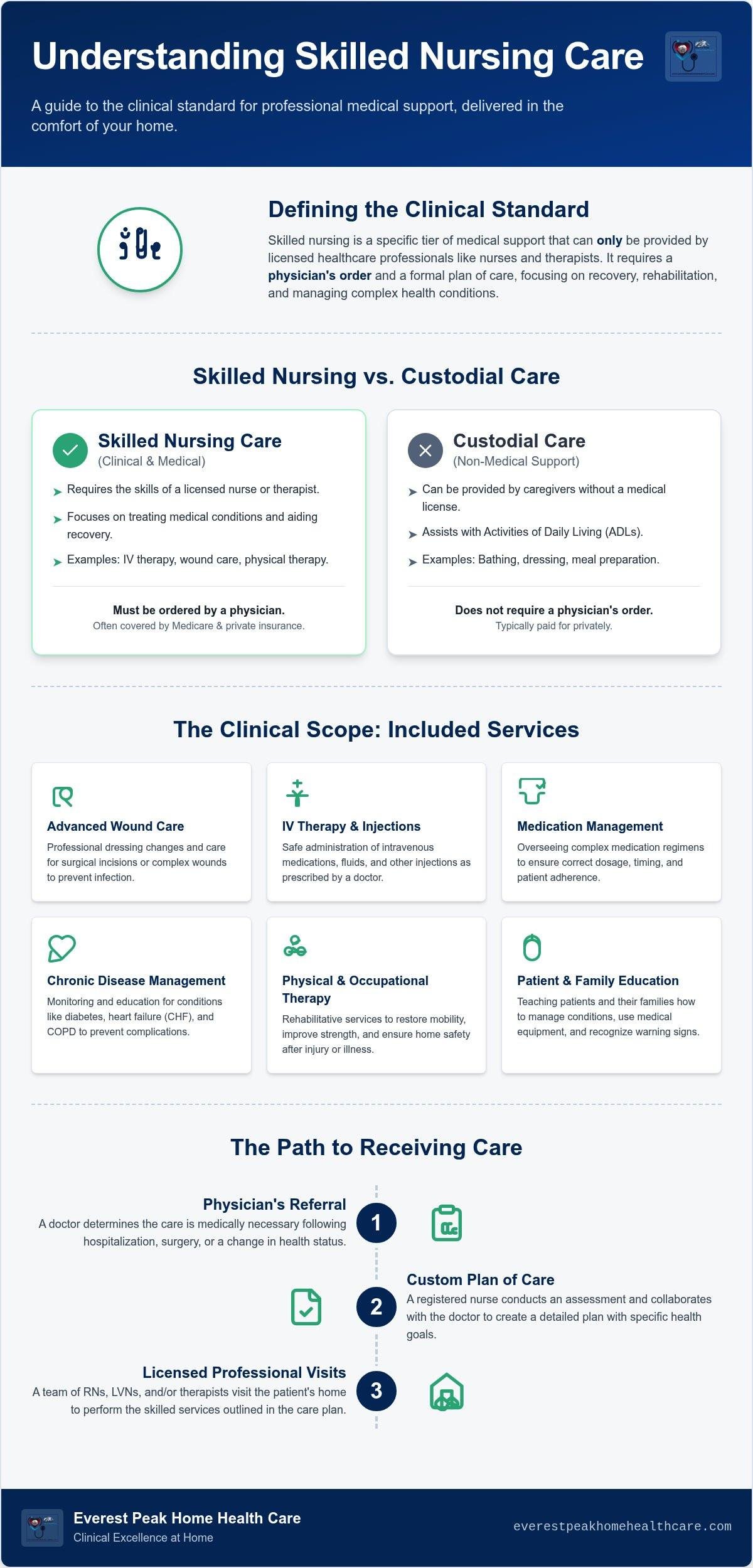
Understanding what is skilled nursing care begins with recognizing it as a specific tier of medical support that only licensed healthcare professionals can provide. Unlike general caregiving, this level of service is strictly clinical. It involves complex medical tasks that require the specialized training of a nurse or therapist. It’s a professional bridge designed to manage health transitions safely and effectively. A key requirement for this service is the direct oversight of a physician. Every patient must have a formal plan of care that outlines specific medical goals. This ensures that every clinical visit contributes to the patient’s long-term recovery or the stabilization of a chronic condition.
The Difference Between Skilled and Custodial Care
It’s common to confuse medical support with assistance for daily activities, but the distinction is vital for insurance coverage and clinical outcomes. Custodial care refers to non-medical assistance with activities of daily living (ADLs), such as dressing, bathing, or meal preparation. While these tasks are helpful, they don’t require professional medical licenses. In contrast, skilled nursing involves technical clinical interventions. Examples include complex wound care, intravenous (IV) therapy, and catheter management. Medicare and private insurance providers specifically look for these medical necessities when determining coverage eligibility. They prioritize interventions that require a high degree of clinical judgment and technical skill to ensure patient safety.
Who Provides Skilled Nursing?
This care is delivered by a multidisciplinary team led by licensed practitioners who prioritize clinical excellence. Registered Nurses (RNs) take the lead in performing comprehensive assessments and developing the initial care plan in coordination with the patient’s doctor. Licensed Vocational Nurses (LVNs) support this process by executing daily clinical tasks and monitoring vital signs to ensure the patient remains stable. While these services are often associated with Skilled Nursing Facilities (SNF), they are also provided through licensed home health visits. This allows patients to receive hospital-grade expertise while remaining in their own homes. By maintaining a disciplined, per-visit approach, the nursing team ensures that medical orders are executed with precision, prioritizing the patient’s autonomy and dignity throughout the recovery journey.
The Clinical Scope: What Services are Included in Skilled Nursing?
Defining the specific medical interventions involved helps clarify what is skilled nursing care in a practical, daily context. This level of support is not a single service but a comprehensive suite of clinical actions designed to promote healing and prevent hospital readmission. Each visit involves a detailed medical assessment where a professional monitors vital signs, identifies subtle changes in health status, and coordinates directly with the patient’s physician. These services ensure that the medical plan remains effective as the patient’s needs evolve during recovery.
Professional Nursing Interventions
The primary focus of skilled nursing is the management of complex medical needs that require technical expertise. For post-surgical patients, this includes advanced wound care and dressing changes to prevent infections and ensure proper incision healing. Nurses also manage the administration of intravenous (IV) therapy and complex medication regimens, which are critical for patients recovering from acute illnesses. According to the Official Medicare Guidelines, these services must be so inherently complex that they can only be safely performed by licensed personnel.
Beyond technical tasks, skilled nursing provides essential chronic disease management for conditions like heart failure, diabetes, or COPD. This involves stabilizing the patient through clinical monitoring and providing comprehensive education to both the patient and their family. By teaching caregivers how to manage medical equipment or recognize early symptoms of distress, the nursing team creates a safer home environment. This professional empathy ensures that the patient maintains their dignity while receiving high-level clinical support.
Multidisciplinary Skilled Services
A distinctive feature of skilled care is the integration of rehabilitative therapies that work alongside nursing interventions. Physical therapy focuses on restoring mobility and implementing fall prevention strategies, which is especially vital after orthopedic surgeries or neurological events. Occupational therapy assists patients in adapting their home environment to master daily tasks, ensuring they can regain autonomy. Speech therapy addresses more than just communication; it provides essential clinical support for swallowing disorders and cognitive recovery.
This multidisciplinary approach ensures that no aspect of a patient’s health is overlooked. If you are coordinating a transition from a hospital to a residence, exploring the multidisciplinary clinical visits offered by professional agencies can provide the structured path needed for a successful recovery. By combining nursing precision with therapeutic expertise, this model of care focuses on the long-term goal of patient improvement and functional independence.
Skilled Nursing at Home vs. Skilled Nursing Facilities (SNF)
Many families assume that what is skilled nursing care only exists within the walls of a specialized institution. However, the clinical standard remains consistent regardless of the setting. The primary difference lies in the environment of delivery and the intensity of supervision. In a facility, patients receive 24-hour monitoring, whereas home health provides licensed clinical visits on a scheduled, per-visit basis. This distinction is crucial for families who want to balance high-level medical support with the comfort of a familiar environment. Choosing the right setting depends on the patient’s medical stability and the level of oversight required to ensure a safe recovery.
The Benefits of In-Home Clinical Recovery
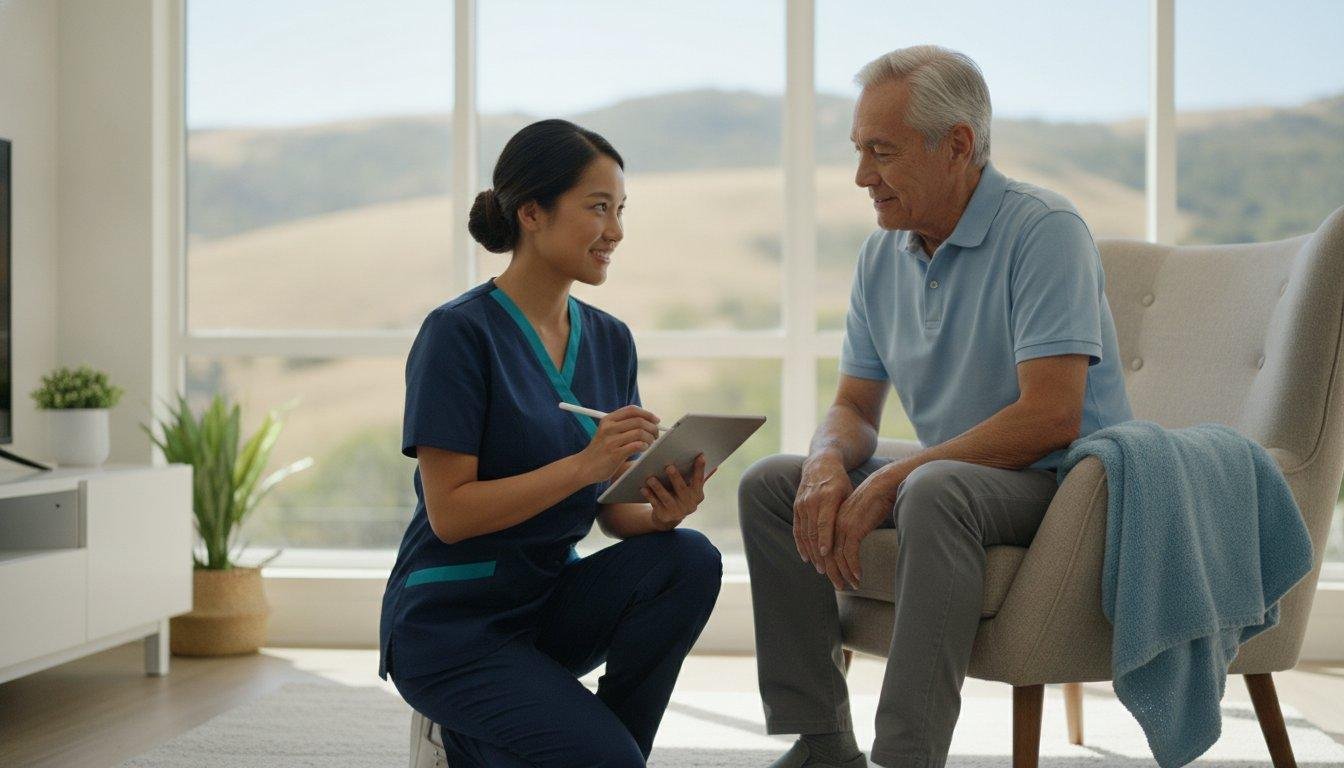
Recovering in a private residence offers significant psychological advantages that can accelerate the healing process. Patients often feel a greater sense of autonomy and dignity when they remain in their own homes, surrounded by their personal belongings. From a clinical perspective, home-based care also lowers the risk of hospital-acquired infections, which are more prevalent in high-occupancy settings. During each scheduled visit, the patient receives undivided, one-on-one attention from a licensed professional. This focused interaction ensures that every assessment is thorough and tailored to the individual’s specific health goals, fostering a deeper sense of professional empathy and specialized support. It’s a highly flexible and cost-effective model for those who don’t require 24-hour surveillance.
When a Facility (SNF) Might Be Necessary
While home health is an excellent option for many, certain clinical conditions require the constant oversight of a 24-hour facility. If a patient is medically unstable or requires immediate physician access at any hour, an institutional setting is the safer choice. Understanding the various Types of Residential Care is essential when a home environment lacks the necessary family presence or supportive infrastructure to ensure safety between clinical visits. Severe medical instability or complex needs that require continuous monitoring often necessitate the move to a facility.
Ultimately, the decision rests on the specific clinical needs outlined in the physician’s plan of care. For patients who are stable enough to reside at home but still require professional medical interventions, a home-based approach provides a dignified path toward health restoration. If you’re coordinating care in the San Fernando Valley, exploring licensed clinical visits can help you determine if your recovery goals can be successfully met within the comfort of your own home.
Recognizing the Need: When to Seek Professional Clinical Care
Identifying the precise moment when a patient requires clinical intervention is essential for preventing health regressions. Families often struggle to distinguish between general fatigue and signs that signal a medical complication. When these symptoms emerge, understanding what is skilled nursing care becomes a matter of safety. Common indicators that require a professional assessment include:
- Sudden changes in cognitive clarity or increased confusion.
- Unexpected fluctuations in blood pressure or heart rate.
- Signs of inflammation, drainage, or heat at a surgical site.
- Difficulty managing complex medication changes after discharge.
This level of support provides a structured clinical response to these risks, ensuring that a licensed professional is present to implement the physician’s orders before a minor issue becomes a crisis. It’s about moving beyond basic assistance and into a disciplined, medical framework of recovery.
Specific medical events almost always necessitate professional clinical support to ensure a successful outcome. For instance, a patient recovering from a stroke often requires a combination of speech and physical therapy to regain functional independence. Similarly, those who have undergone a hip replacement need specialized wound management and mobility training to prevent blood clots or dislocations. In these cases, the “skilled” designation refers to the technical expertise required to manage the rehabilitation process safely.
Post-Hospitalization Recovery Needs
The first 48 hours following a hospital discharge are the most critical for patient safety. During this window, the risk of medication errors or improper wound care is at its peak. Licensed clinical visits during this transition significantly reduce the rate of hospital readmission by providing professional oversight when the patient is most vulnerable. A nurse’s ability to monitor for early signs of infection or adverse drug reactions provides a level of security that custodial care simply cannot match. This professional empathy focuses on the patient’s stability, allowing them to heal in a controlled, medically supervised environment.
Managing Complex Health Transitions in Los Angeles
Navigating the healthcare landscape in the San Fernando Valley requires a coordinated approach between hospitals and home health providers. Medical social services play a vital role here, acting as a bridge between the clinical team and the resources available in the North Hollywood area. These specialists assist families in understanding their insurance requirements and connecting them with the necessary support systems for a seamless transition. At Everest Peak, we coordinate directly with local discharge planners to ensure that the patient’s medical orders are ready for execution the moment they arrive home. If you’re preparing for a discharge, you can schedule a clinical assessment to ensure every medical detail is addressed for a safe and dignified recovery.
Clinical Excellence at Home with Everest Peak Home Health Care
Everest Peak Home Health Care operates as a disciplined extension of the clinical team, ensuring that the transition from a hospital setting to a private residence is managed with professional rigor. We understand that the question of what is skilled nursing care often arises during a stressful health transition. Our approach is grounded in professional empathy, where high-level medical expertise is balanced with a deep respect for the patient’s autonomy. By providing per-visit clinical support, we allow individuals in North Hollywood and the greater Los Angeles area to recover in an environment that prioritizes their dignity and long-term health restoration.
Our Specialized Clinical Team
Our multidisciplinary team includes Licensed Registered Nurses (RNs) and Vocational Nurses (LVNs) who specialize in comprehensive medical assessments and customized care plans. These practitioners work alongside physical, occupational, and speech therapists to address every facet of the patient’s recovery. Because we’re based in North Hollywood and serve the San Fernando Valley, our local expertise allows for a responsive and highly organized delivery of care. Each professional intervention is designed with a specific outcome in mind. For example, by performing regular vital sign monitoring, our nurses identify subtle physiological changes, which prevents avoidable hospital readmissions. This methodical approach ensures that the patient makes measurable progress toward their health goals while remaining safe at home.
Getting Started: Your Path to Recovery
Securing professional medical visits starts with a physician’s referral, which is a required step for all skilled nursing services. Once an order is obtained, our clinical team conducts an initial assessment to establish a formal plan of care tailored to the patient’s medical history and current needs. This thorough evaluation ensures that no detail of the recovery process is overlooked, from medication management to advanced wound care. Understanding what is skilled nursing care helps families realize that this isn’t just caregiving; it’s a specialized medical service that requires precision and clinical discipline. This assessment process bridges the gap between acute hospital care and the eventual return to independence. If you’re navigating a recent discharge or managing a complex chronic condition, Contact Everest Peak Home Health Care today to discuss your clinical recovery needs. We act as a knowledgeable guide through the complexities of home-based medical care, offering a stable and protective path for your family.
Securing Your Path to Clinical Recovery at Home
Choosing the right level of medical support is a critical step in ensuring a safe and dignified transition after a hospital stay. We’ve explored how professional medical visits bridge the gap between acute clinical settings and long-term independence. By understanding what is skilled nursing care, you can distinguish between general assistance and the licensed clinical interventions required for health restoration. Whether you’re managing complex wound care or requiring multidisciplinary rehabilitation, having a structured plan of care is essential for your safety.
Everest Peak Home Health Care provides this high level of clinical rigor through our team of Licensed RNs and LVNs. Serving North Hollywood and the Greater Los Angeles area, we offer a multidisciplinary approach that includes Physical, Occupational, and Speech Therapy tailored to your unique goals. Our focus remains on providing professional empathy while maintaining the highest medical standards in the comfort of your residence. You don’t have to navigate these health challenges alone. Schedule a Clinical Assessment with Everest Peak Home Health Care today to begin your journey toward a stronger, more independent future. Your recovery is our priority, and we’re here to provide the steady, expert support you deserve.
Frequently Asked Questions
Is skilled nursing care covered by Medicare?
Medicare Part A covers skilled nursing visits when they’re intermittent and medically necessary. To qualify, a patient must be under a doctor’s care and have a certified plan of care. For 2026, beneficiaries in a facility face a $217.00 daily copayment after day 20, but home health visits have different structures. Understanding what is skilled nursing care in the eyes of Medicare ensures you meet the homebound requirement for clinical support and professional medical oversight.
What is the difference between a registered nurse (RN) and a licensed vocational nurse (LVN)?
Registered Nurses (RNs) and Licensed Vocational Nurses (LVNs) both provide clinical support but have different scopes of practice. An RN typically conducts initial assessments and develops the comprehensive care plan in coordination with a physician. LVNs focus on executing specific clinical tasks, such as administering medications and monitoring vital signs. This collaboration ensures that the medical orders are followed with precision while maintaining a high standard of clinical rigor and patient safety throughout the recovery process.
Does skilled nursing care include help with bathing and dressing?
Skilled nursing primarily focuses on clinical interventions, but agencies like Everest Peak often provide Personal Care Assistance as a separate, supportive service. While the “skilled” portion of a visit involves wound care or IV therapy, personal care assistants help with activities of daily living like bathing and dressing. It’s important to distinguish between these medical visits and custodial support to ensure your insurance coverage is applied correctly for each specific service provided during your recovery.
How often does a skilled nurse visit a patient at home?
The frequency of clinical visits is determined by your physician based on your specific medical needs and recovery goals. Some patients require daily visits during the critical first 48 hours after a hospital discharge, while others may only need two or three visits per week for chronic condition management. Each visit is structured to provide high-level medical support, ensuring that your progress is monitored and your care plan is adjusted as you move toward independence.
Can physical therapy be considered part of skilled nursing care?
Physical therapy is a core component of the multidisciplinary “skilled” umbrella alongside nursing, occupational therapy, and speech therapy. While nursing handles the medical and physiological aspects of recovery, physical therapists focus on restoring mobility and implementing fall prevention strategies. This integrated approach ensures that no aspect of your health is overlooked, providing a comprehensive path toward functional independence and health restoration within your home. Understanding what is skilled nursing care involves recognizing this collaborative clinical effort.
Do I need a doctor’s order to receive skilled nursing services at home?
You must have a formal physician’s order to receive skilled nursing services at home. This legal and clinical requirement ensures that all medical interventions are overseen by a doctor who understands your specific health history. The physician works with the nursing team to establish a plan of care, which outlines the frequency of visits and the specific clinical goals. This structure provides a reliable and organized framework for your recovery and professional medical support.
What happens if a patient needs more than just per-visit nursing?
If a patient requires 24-hour clinical monitoring or constant medical supervision, they may need a transition to a Skilled Nursing Facility (SNF). Home-based skilled nursing is provided on a per-visit basis and is not designed for those needing 24/7 live-in care. When a patient’s medical instability exceeds what can be safely managed with intermittent visits, a residential facility provides the necessary around-the-clock access to doctors and nursing staff to ensure patient safety.
How does skilled nursing help prevent hospital readmissions?
Skilled nursing prevents hospital readmissions by providing early detection of medical complications and ensuring strict adherence to medication regimens. Nurses monitor for signs like infection at surgical sites or adverse reactions to new prescriptions during the critical post-hospitalization window. By managing these risks through professional clinical visits, the nursing team stabilizes the patient at home, reducing the likelihood of a stressful return to the emergency department or acute care hospital during their recovery journey.